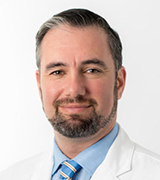
Nisha Acharya, M.D., M.S.

Professor


Ocular Inflammatory Diseases and Uveitis

Dr. Acharya is the Elizabeth C. Proctor Distinguished Professor at the F.I. Proctor Foundation and Departments of Ophthalmology, Epidemiology and Biostatistics at UCSF and the Director of the Uveitis and Ocular Inflammatory Disease Service. Dr. Acharya is a clinician-scientist with fellowship training in cornea and uveitis, with a clinical focus of ocular inflammatory diseases and uveitis. Her research focuses on clinical trials and epidemiological studies in ocular inflammation. She was co-PI of the U10 Mycotic Ulcer Treatment Trial and PI of the NEI-funded U10 grant First-line Antimetabolites for Steroid-Sparing Treatment (FAST) Uveitis Trial, a multicenter trial that compared methotrexate to mycophenolate for the treatment of non-infectious intermediate, posterior, and panuveitis. She is the PI of the U10 ADJUST (Adalimumab in Juvenile Idiopathic Arthritis-associated Uveitis Stopping Trial). She is also protocol co-chair of a macular edema trial through the Multicenter Uveitis Steroid Treatment Trial group. Dr Acharya’s research group is experienced in working with large electronic medical record datasets. She is the PI of an R01 using large datasets to study the impact of the herpes zoster vaccination on herpes zoster ophthalmicus.


To Learn More:

https://profiles.ucsf.edu/nisha.acharya


Research Areas:

Inflammatory Eye Disease, Uveitis, Infectious Diseases
 
Learn more about UCSF Ophthalmology faculty research.
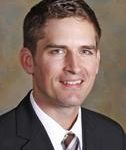
Bruce R. Conklin, MD

Professor


Therapeutic Approaches to Genetic Disease

Dr. Conklin uses induced pluripotent stem (iPS) cells, both from patients and engineered to have particular mutations to model human disease. His lab is developing new genome engineering methods in human iPS cells to identify therapeutic targets in cardiac, motor neuron and retinal diseases. Trainees will utilize CRISRP technology for therapeutic genome editing, then test the effect of genome editing in diseases modeled in iPS cells. The combination of human iPS cells and genome editing provide unprecedented opportunities to explore new areas of biology and discover new therapies for disease. Dr. Conklin has mentored many graduate students and postdoctoral fellows in the lab. He has on-going collaborations with Dr. Shen that has led to a publication in Nat Genetics 2019 and Dr. Lakkaraju studying water transport across the retinal pigment epithelial (RPE), as a functional measure of gene correction in Best’s disease. Scholars interested in the use of state-of-the-art therapeutic genome editing strategies and stem cell biology will find opportunities in Dr. Conklin’s lab.


To Learn More:

https://profiles.ucsf.edu/bruce.conklin
https://labs.gladstone.org/conklin/
https://ucsfhealthcardiology.ucsf.edu/people/bruce-conklin
 

Research Areas:

Gene Research, Gene Therapy, Stem Cell Research
 
Learn more about UCSF Ophthalmology faculty research.
Xin Duan, PhD

Professor


The molecular and cellular basis of neural circuit wiring and rewiring

The Duan lab’s goal is to reconstruct neural circuits and restore normal function in the setting of neuronal injury. Trainees will develop skills in imaging using confocal microscopy, adeno-associated virus (AAV) production, CRISPR mutagenesis, performing mouse ocular injections, isolating of retinal neurons for RNASeq, and measuring the functional properties of retinal ganglion cells through patch clamp retinal electrophysiology. He has mentored 4 postdoctoral fellows, 3 graduate students, 1 medical student, 10 summer students and undergraduate students and 2 visiting international scholars. Drs Duan and Dunn were awarded the 2017-18 Weill Trailblazer award to collaborate on how the retina “talks” to the brain. Scholars interested in circuit assembly and neuronal repair in the central nervous system will find opportunities in the Duan lab.


To Learn More:

https://profiles.ucsf.edu/xin.duan


Research Areas:

Retina or Retinal Diseases, Visual System Development, Glaucoma
 
 
Learn more about UCSF Ophthalmology faculty research.
Felice Dunn, PhD

Associate Professor


Mechanisms of the anatomical and functional changes to the retina following photoreceptor loss

The Dunn lab aims to advance understanding of retinal synaptogenesis and signal pathway regulation that could enable future therapies directed against loss of primary sensory neurons. Our lab currently has projects directed to accomplish the following goals:

1. To determine how specific connections are established at the visual system’s first synapse
2. To determine how rod vs. cone signals are independently regulated within the retinal circuit.
3. Identify the extent and sites of compensation within the retinal circuitry following partial photoreceptor loss.
4. Determine the contributions of partial stimulation, adaptation, and homeostatic plasticity to retinal responses following partial photoreceptor loss.
5. To determine the degree of input loss that induces constructive vs. destructive structural and functional changes within the retinal circuit.


To Learn More:

https://profiles.ucsf.edu/felice.dunn
https://dunnlab.ucsf.edu/


Research Areas:

Retina or Retinal Diseases, Visual System Development
 
 
Learn more about UCSF Ophthalmology faculty research.
Ari Green, MD

Professor


Understanding multiple sclerosis (MS) and related disorders

Division Chief of one of the largest Neuroimmunology research groups in the world, Dr. Green is dedicated to understanding multiple sclerosis and related disorders. The Green lab is particularly interested in developing means of harnessing glial biology to help repair damage to the central nervous system and in measuring this repair using vision-based metrics with an enhanced understanding of the visual system. His team has developed and optimized methods for performing visual evoked potentials and electroretinography in rodents and tools for determining the cellular and molecular basis of the signals detected. Also, he led the clinical translational team dedicated to the development of small molecules capable of remyelination and independently led the first successful clinical trial for remyelination in the setting of chronic injury in MS. He has mentored 19 postdoctoral fellows, 4 visiting fellows/faculty, 31 medical students and 10 specialists to careers in Medicine or lab research. He committed to mentoring residents and medical students with an interest in Neurology, Neuro-immunology, and Neuro-ophthalmology. He is helping to mentor junior faculty with an interest in careers in translational science and works closely with partners and colleagues from the basic sciences to cultivate a mentorship program. The Green lab will provide opportunities for Scholars with an interest in translational vision sciences, visual system injury and repair, and clinical trials work.


To Learn More:

https://profiles.ucsf.edu/ari.green
https://greenlab.ucsf.edu/
 

Research Areas:

Neuro-Ophthalmology, Multiple Sclerosis, Visual System Function in Adults
 
Learn more about UCSF Ophthalmology faculty research.
Research to the Rescue (Action against COVID-19)

Close-up of a person's eyes with statistical analysis.
A novel artificial intelligence tool automatically generated measurements for eye characteristics from a digital image of Dr. Seanna Grob. The tool has the potential to diagnose external eye disorders from photos taken at home during the pandemic.

At press time, UCSF vision scientists had already launched 18 research projects to address aspects of the COVID-19 pandemic. Here are a few highlights.


Forecasting Viral Spread in California

Travis Porco, PhD, MPH; Lee Worden, PhD; Seth Blumberg, MD; and Rae Wannier, BS; of the Proctor Foundation are analyzing mathematical models to guide public health policy, in coordination with the San Francisco Department of Health. The team’s analysis focuses on real-time assessment of current control measures, as well as analysis of contact investigation, mask usage, and social distancing.


Using Artificial Intelligence and Selfies to Diagnose Eye Diseases

Luca Della Santina, PhD, and Michael Deiner, PhD, lead a team of clinicians and computer scientists to develop “deep learning” methods that can identify conditions that affect the surface of the eye (external disorders) from selfie images taken by patients (or their families or caregivers) at home. This tool has strong potential to support telemedicine for vision care during and after the pandemic. Collaborators include Seanna Grob, MD; Julius Oatts, MD; Gerami Seitzman, MD; Tom Lietman, MD; and M. Reza Vagefi, MD.


Home Testing for Glaucoma Patients

Yvonne Ou, MD, and Michael Deiner, PhD, are studying whether a novel mobile visual field test for glaucoma patients can provide an effective at-home alternative to conventional in-clinic testing during the pandemic. Co-developed with Vivid Vision, Inc., the test uses inexpensive virtual reality headsets and oculokinetic perimetry methods pioneered by Bertil Damato, MD, PhD, FRCOphth. Dr. Ou can quickly evaluate the results of tests that her patients perform in their homes.


Two healthcare workers in protective gear at a UCSF Health tent.
At a COVID-19 screening tent, a Proctor fellow and a nurse study virus aerosolization caused by speech.

Pinpointing Short-Distance Viral Spread

Julie Schallhorn, MD, and Gerami Seitzman, MD, lead two investigations to determine the presence and prevalence of aerosolized SARS-CoV2 viral particles emitted when patients speak (or sing!). One focuses on people at a testing site and the other on patients convalescing at home. The team also includes Thuy Doan, MD, PhD, who performs the genetic diagnostic testing, and Miel Sundararajan, MD. Findings will inform future safety guidelines.


UCSF East Bay Vision Clinic

Providing vision care in comprehensive ophthalmology, glaucoma, retina, oculoplastics, and optometry. Call 415.353.2800 to discuss moving your vision care.

Research support is provided by the National Institutes of Health, Research to Prevent Blindness, and That Man May See.

Keeping Patients Safe

To protect eye patients during the COVID-19 pandemic, UCSF Ophthalmology has implemented stringent safety measures. Innovative solutions are taking shape as clinical teams maximize precautions.

A specialized optical equipment setup in a medical office.
Protective plexiglass shields have been installed on all the examination slit-lamp microscopes.

UCSF vision clinics have reopened for nonurgent patient care needs after adopting new policies and practices to protect both patients and practitioners.

“UCSF Ophthalmology is honored to be a trusted health partner during this crisis,” says M. Reza Vagefi, MD, medical director for the Department of Ophthalmology. “Our teams are making every effort to contain the spread of COVID-19 and to ensure that patients continue to receive the very best vision care.”


Precautions at All Eye Clinics

All UCSF vision clinics at the Department of Ophthalmology and Francis I. Proctor Foundation for Research in Ophthalmology follow the safety guidelines of the US Centers for Disease Control and Prevention.

Many new protocols are in place to reduce the risks of viral transmission. Patients can expect prescreening and rescreening for COVID-19, shorter appointments and waiting times, limits on nonessential visitors, and requirements for masks.

Protective plexiglass shields have been installed on every slit-lamp microscope, creating a physical barrier during face-to-face eye exams. UCSF’s Matthew Russell, MD, and his father-in-law, Lorne Dubin, kindly fabricated, installed, and donated the innovative shields.

The premises and all instruments undergo disinfection or sterilization each morning, between patients, and at night. All exam room surfaces, including chairs, chin rests, and door handles, are cleaned and disinfected.


A healthcare worker checking a patient’s temperature in a car.
Monitoring the eye pressure of a glaucoma patient

Drive-Through Testing

UCSF glaucoma specialists are minimizing contact with drive-through tests to monitor eye pressure, also called intraocular pressure. The brief procedure involves gently touching a disposable, single-use tonometer tip to the surface of the eye while the patient remains inside his or her vehicle.


Telehealth Rising

Telehealth refers to medical triage, diagnosis, and care provided remotely. Pioneered for those living far from medical help, this touchless method reduces transmission risks. Clinicians now meet with patients via video, email, and phone to adjust medication, consult on upcoming surgeries, examine the external eye, and check vision. Brief clinical tests are paired with remote appointments to review test results and go over treatment plans.