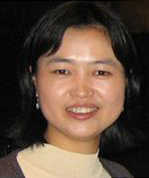
Erik Ullian, PhD

Professor


Synapse Formation and Function in the Visual System

Dr. Ullian, Professor of Ophthalmology, studies molecular mechanisms that regulate synapse formation and function in the visual system. He has used cell culture systems to screen for genes and small RNAs that impact synaptic transmission. His laboratory has identified the miRNA pathway as an important regulator of a variety of neuronal and synaptic processes relevant to visual system development. The Ullian lab is also studying the interactions between neurons and glia that are required for proper development and function of the nervous system. He is developing astrocyte, neuron, and microglial 3D organoids to model key aspects of neurodegenerative diseases. In addition to graduate students and postdoctoral fellows, Dr. Ullian has mentored K awardees, including Dr. Yvonne Ou. Scholars who are interested in the interactions of neurons and glia in the visual system will be interested in the Ullian lab.


To Learn More:

https://profiles.ucsf.edu/erik.ullian
https://ullianlab.ucsf.edu/


Research Areas:

Visual System Development, Retina or Retinal Diseases, Stem Cell Research
 
Learn more about UCSF Ophthalmology faculty research.
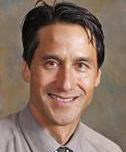
Yvonne Ou, MD

Associate Professor


Cellular and Synaptic Mechanisms of Glaucomatous Neurodegeneration

The Ou laboratory studies the cellular and synaptic mechanisms of glaucomatous neurodegeneration. We are particularly interested in understanding the earliest steps of inner retina circuit disassembly in response to injury. Our research program combines imaging and analysis of specific cell and synaptic labels in the retina, rodent models of experimental glaucoma, novel genetic tools in which specific cell types are labeled, and the tools of molecular/cell biology and physiology to address a series of questions that, unanswered, have prevented progress in the field: 1) What are the early steps of compartmentalized neurodegeneration of the ganglion cell in glaucoma? 2) Are there specific ganglion cell types that are more susceptible to intraocular pressure (IOP) elevation? 3) Are there specific inner retinal circuits that are more susceptible to IOP elevation? As a clinician-scientist, I am motivated to advance our field not only by answering these fundamental questions, but also by translating the knowledge gained into improvements in diagnostic and treatment modalities in glaucoma. For example, a detailed understanding of the earliest structural and functional changes that occur in glaucoma will allow us to design treatments that can rescue RGCs, perhaps the most susceptible RGCs, before irreversible cell death occurs.


To Learn More:

https://profiles.ucsf.edu/yvonne.ou
https://ophthalmology.ucsf.edu/oulab/


Research Areas:

Glaucoma, Mobile Health, Visual System Function in Adults
 
 
Learn more about UCSF Ophthalmology faculty research.

Kayarat Nair, PhD

Assistant Professor


Mechanisms of Glaucoma and Ocular Growth

The Nair lab studies the genetics and biology of ocular diseases with a primary focus on glaucoma and relevant phenotypes. Glaucoma is a heterogeneous group of diseases characterized by death of retinal ganglion cells, specific visual field deficits, and optic nerve degeneration. It is a leading cause of blindness worldwide and affects over 70 million people. The genes and molecular mechanisms contributing to glaucoma are poorly understood. Our goal is to identify genes, molecular mechanisms and cellular networks contributing to glaucoma. Individuals with refractive errors (both myopia or hyperopia) are at a higher risk of developing glaucoma. Another focus of the lab is to understand the role of refractive error in the pathogenesis of glaucoma. Our laboratory employs a variety of multi-disciplinary approaches to dissect the role of complex disease associated genes at a mechanistic level. We have established important mouse models that recapitulate features of the human disease. They provide us the platform to discover new genes/pathways, elucidate the molecular mechanisms, contributing to glaucoma as well as to test hypothesis and new treatment ideas. In parallel, we employ tools of human genetics as a path towards the identification of disease genes.


To Learn More:

https://profiles.ucsf.edu/kayarat.nair
https://ophthalmology.ucsf.edu/nairlab/


Research Areas:

Glaucoma, Gene Research, Visual System Development
 
Learn more about UCSF Ophthalmology faculty research.

Maxence Nachury, PhD

Professor


The Molecular Basis of Ciliopathies

The Nachury lab studies Bardet-Biedl Syndrome (BBS), a hereditary disease characterized by retinal degeneration, obesity, polydactyly, and polycystic kidneys. The root cause of Bardet-Biedl Syndrome is dysfunction of the primary cilium, a surface-exposed organelle required for vision, olfaction and developmental signaling. Pioneering biochemical and imaging studies by Dr. Nachury’s team have revealed that a complex of BBS proteins traffics signaling receptors out of cilia. The Nachury lab is now identifying the regulation of trafficking out of cilia by BBS proteins. A second research direction is aimed at cilia-derived extracellular vesicles (EVs). Ciliary signaling receptors that fail conventional exit are packaged into ciliary EVs. By dissecting the mechanisms of ciliary EV biogenesis, Nachury and colleagues will gain insight into the roles of these extracellular parcels in cell-cell communication.
 
Research in the Nachury lab is funded by the National Institute of General Medical Sciences (NIGMS), the National Eye Institute (NEI), Research to Prevent Blindness (RPB) and the America Diabetes Association (ADA). Dr. Nachury is the recipient of multiple awards including the 2020 Cogan award from the Association for Research in Vision and Ophthalmology (ARVO).


To Learn More:

https://profiles.ucsf.edu/maxence.nachury
http://nachurylab.ucsf.edu


Research Areas:

Retinitis Pigmentosa or Retinal Degenerations, Cilia, Ciliopathies
 
Learn more about UCSF Ophthalmology faculty research.

Deepak A. Lamba, M.B.B.S., Ph.D.

Associate Professor


Retinal Repair Following Inherited and Age-Associated Degeneration

Dr. Lamba leads an NIH-funded laboratory focused on using human stem cells for retinal repair following inherited and age-associated degeneration. He utilizes stem cell technologies to generate disease-in-a-dish models or for cell replacement. The key research interests include (1) exploring the potential and challenges in retinal cell replacement therapies esp. the role of the tissue microenvironment and (2) developing stem-cell based model systems to understand various human retinal degenerations and identifying new therapeutic avenues including genome editing technologies like CRISPR. Dr. Lamba is a natural collaborator with clinician-scientists and since joining the Department in 2018 he has established collaborations with Drs. Jacque Duncan and Tony Moore. Dr. Lamba has mentored numerous pre- and postdoctorates and is also a member of the education committee. His group will provide opportunities for Scholars interested in harnessing the power of novel stem cell technologies to clinical problems especially retinal degenerations.


To Learn More:

https://profiles.ucsf.edu/deepak.lamba
http://lambalab.ucsf.edu
https://ophthalmology.ucsf.edu/lambalab/


Research Areas:

Gene Therapy, Retinitis Pigmentosa or Retinal Degenerations, Stem Cell Research, Leber Congenital Amaurosis, Retinal Development, Pluripotent stem cells, Cell replacement
 
 
Learn more about UCSF Ophthalmology faculty research.
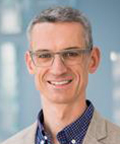
Aparna Lakkaraju, PhD

Professor


Effective Therapies for Inherited and Age-Related Macular Degenerations

Research in the Lakkaraju laboratory builds on fundamental insights from retinal cell biology to develop effective therapies for inherited and age-related macular degenerations (AMD). These diseases destroy central high-resolution vision in over 30 million people globally and have limited therapeutic options. We study the retinal pigment epithelium (RPE), which performs numerous functions indispensable for vision, and is a key site of injury in macular degenerations. Current areas of research focus include: 1. Autophagy and extracellular vesicles in the RPE; 2.Mitochondrial dynamics, metabolic stress and inflammation in the retina; 3. The role of complement activation in AMD; 4. Biophysical approaches to understanding the genetic basis of AMD; and 5. Novel drug targets for macular degenerations. Using advanced live imaging of the RPE and retina, we recently identified promising FDA-approved drugs that can be repositioned to treat macular degenerations.


To Learn More:

https://profiles.ucsf.edu/aparna.lakkaraju
https://ophthalmology.ucsf.edu/lakkarajulab/


Research Areas:

Macular Degeneration, Retina or Retinal Diseases
 
Learn more about UCSF Ophthalmology faculty research.
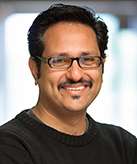
Jonathan C. Horton M.D., Ph.D.

Professor


Neural Mechanisms Underlying Visual Loss

Jonathan C. Horton MD PhD specializes in pediatric ophthalmology, strabismus, treatment of double vision, and neuro-ophthalmology. He earned his medical degree from Harvard Medical School, where he also received a PhD in Neurobiology in the laboratory of Nobel prize winners David Hubel and Torsten Wiesel. He did a medical internship and a year of neurology residency at the Massachusetts General Hospital, followed by ophthalmology residency at Georgetown University. Horton completed fellowships in neuro-ophthalmology and pediatric ophthalmology at the University of California, San Francisco. He is now Professor of Ophthalmology, Neurology and Physiology, and a member of the Program in Neuroscience. His research interests fall into three broad categories: 1) clinical neuro-ophthalmology and pediatric ophthalmology, inquiring into the features, causes, and treatment of disorders that impair vision; 2) physiology and anatomy of the primate visual system, using knowledge acquired from NIH-funded laboratory experiments in monkeys to understand how the brain mediates perception; 3) strabismus, elucidating the neural mechanisms of visual suppression, amblyopia, and eye movement control in subjects with ocular misalignment. Horton is the recipient of the Troutman-Véronneau Prize, Bressler Prize in Vision Science, Alcon Research Award, and the Osler Distinguished Teaching Award from the UCSF Class of 2011.


To Learn More:

https://profiles.ucsf.edu/jonathan.horton
https://hortonlab.ucsf.edu


Research Areas:

Amblyopia Strabismus or Eye Movement Disorders, Neuro-Ophthalmology, Pediatric, Exotropia, Visual suppression, Central visual pathways
 
 
Learn more about UCSF Ophthalmology faculty research.