Research Spotlight: Advancing Glaucoma Care with Ying Han


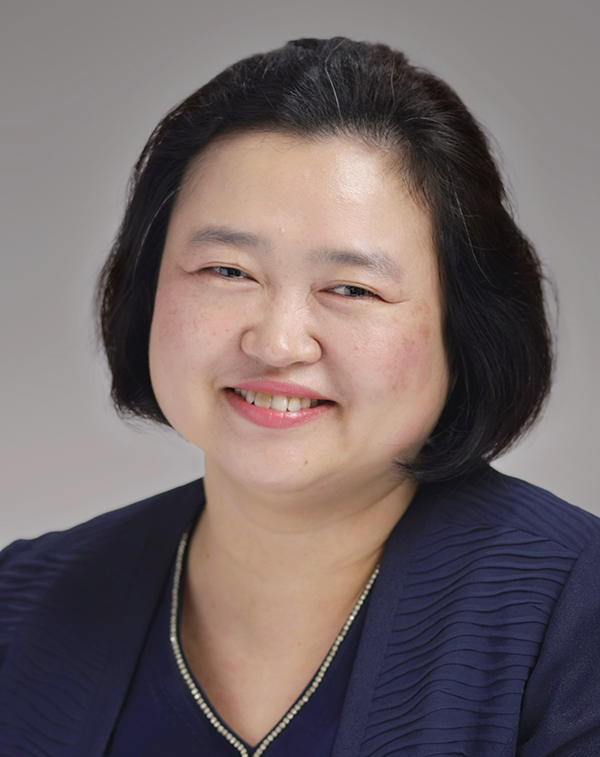
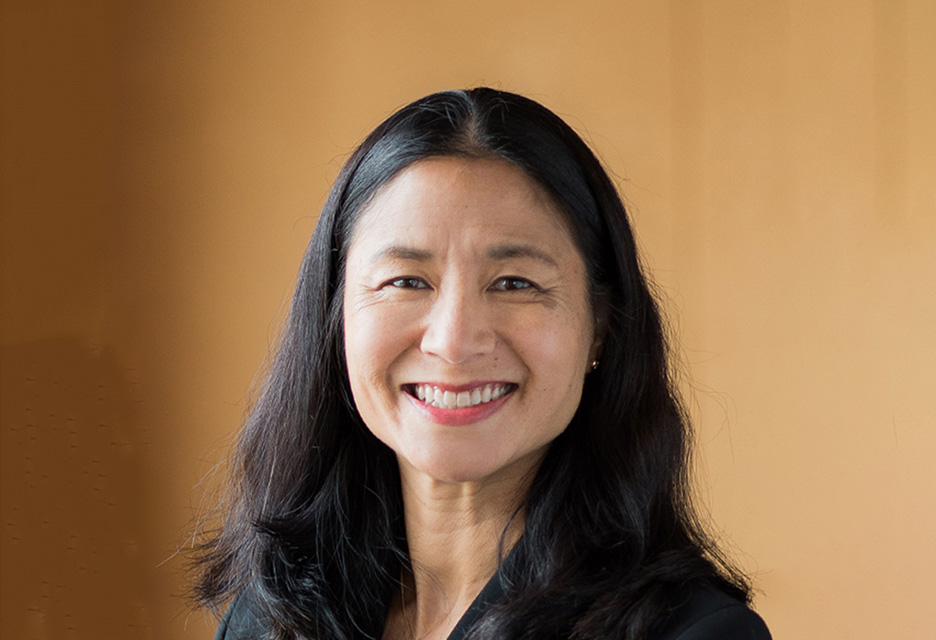
Portrait of Dr. Ying Han.
This Q&A with Dr. Han is part of a new series highlighting the breadth of research across UCSF Ophthalmology. In recognition of World Glaucoma Week, this Research Spotlight features a conversation with Ying Han, MD, PhD, whose work is helping advance new approaches to glaucoma diagnosis, treatment, and patient care.


Research Spotlight: Advancing Glaucoma Care with Ying Han

Q: What first drew you to medicine, and eventually to ophthalmology and glaucoma research?

Medicine was always part of my life. My grandfather was a family physician, and that example created a strong tradition in our family. From an early age, I saw medicine as one of the most meaningful ways to help people. It’s a field where you can directly improve and even save lives.

When I chose a specialty, ophthalmology stood out because it offers a unique balance between clinical care and surgery. It also allows physicians to care for patients across the entire lifespan. In my clinic, I see children and older adults, sometimes following patients for many years as they grow and age. That long-term relationship with patients is incredibly rewarding.

Glaucoma, in particular, is fascinating because it combines clinical care, surgery, and research. There is tremendous opportunity to translate scientific discoveries into better treatments for patients.


Q: From your perspective, what are some of the biggest shifts happening in glaucoma research and care right now?

We’re currently in a very exciting period for glaucoma research and treatment.

One major shift is in how we think about preventing certain types of glaucoma. For example, emerging research suggests that earlier cataract surgery for patients with primary angle-closure glaucoma may help prevent the progression of the disease, which is responsible for a large proportion of blindness worldwide. That’s a significant change in how we think about managing risk.

At the same time, treatment options for open-angle glaucoma have expanded dramatically. In the past, we had a limited number of therapies. Now we have multiple minimally invasive glaucoma procedures and new laser approaches that allow us to control eye pressure while minimizing complications.

Overall, glaucoma is a great example of how research can move discoveries from the laboratory to patient care relatively quickly.


Q: What areas of glaucoma research are most exciting to you right now?

My research focuses largely on clinical studies aimed at improving both surgical outcomes and patient care.

One major project is a randomized clinical trial studying the best location for placing a drainage tube during glaucoma surgery. The tube helps lower eye pressure by draining fluid from the eye. Our study is examining how different placement strategies affect surrounding eye structures and long-term outcomes. We’re also conducting genomic analyses to better understand the biological responses that occur after surgery.

Another area of work focuses on improving how glaucoma care is delivered. For example, we recently published research showing that when optometrists trained in glaucoma care manage stable patients, ophthalmologists can focus on patients who need surgery or urgent treatment. This team-based approach can improve access to care.

We’re also studying how often patients truly need follow-up visits. Historically, follow-up intervals were largely based on expert opinion. We need robust data to determine the optimal follow-up intervals for glaucoma patients. Gaining this understanding could enhance care quality while improving patient access.


Q: How are emerging technologies like artificial intelligence shaping glaucoma research?

Artificial intelligence has enormous potential in glaucoma diagnosis and management.

Our team has been working on AI tools that can identify patients with narrow-angle anatomy, a type of glaucoma that can lead to sudden increases in eye pressure and rapid vision loss. AI could help screen patients earlier and identify those who are at the highest risk of developing serious disease.

More broadly, AI may help improve the accuracy and efficiency of glaucoma diagnosis and monitoring. There are also groups exploring how AI could assist with surgical planning and other aspects of care.


Q: You’re also studying virtual and remote testing for glaucoma. How could that change patient care?

A key test for glaucoma is the visual field exam, which measures a patient’s peripheral vision. Traditionally, this test is performed in a clinic using specialized equipment.

We’re studying new approaches that could allow patients to complete visual field testing outside the clinic. For example, some systems allow patients to perform tests online, while others use virtual-reality headsets to measure vision.

Our research is comparing these different approaches to determine which are most accurate and practical. If successful, these technologies could allow patients to monitor their disease from home or in a clinic waiting room, improving convenience and expanding access to care.


Q: Why is risk stratification so important in glaucoma care?

Glaucoma is the leading cause of irreversible blindness worldwide, but it usually progresses slowly.

In fact, with appropriate care, about 75 percent of patients experience relatively stable disease or slow progression, while only a smaller group of patients experiences rapid deterioration.

That means it’s critical to identify the patients who are at the highest risk. If we can determine which patients are likely to progress quickly, we can monitor them more closely and intervene earlier. At the same time, stable patients may not need such intensive follow-up.

Better risk stratification helps ensure that patients receive the right level of care at the right time.


Q: What do you hope clinicians and researchers take away from your work?

First, I think this is an incredibly exciting time for glaucoma research. We have a real opportunity to prevent vision loss for many patients with the tools we have today, including new surgical approaches, to advanced imaging, and data analysis.

Second, I believe improving care delivery is just as important as developing new treatments. Team-based care models, smarter follow-up strategies, and better use of technology can all help ensure that patients receive timely and effective care.


Q: What makes UCSF uniquely positioned to lead in glaucoma research?

At UCSF, we benefit from a strong culture of collaboration across clinical specialties and research disciplines.

Our glaucoma team works closely with colleagues in retina, cornea, and uveitis, as well as with basic science researchers across the university. This environment allows us to study complex eye diseases from multiple perspectives.

We also treat a large number of complex cases, which provides important opportunities to identify new research questions and test innovative solutions.


Q: Looking ahead five years, where do you see UCSF leading nationally in glaucoma research?

Clinical trials will remain one of our greatest strengths. Through collaborations with groups like the Proctor Foundation, we are well positioned to conduct rigorous studies that answer critical clinical questions. These trials can directly influence how glaucoma is treated worldwide.

At the same time, UCSF has a strong basic science community that is exploring new approaches such as neuroprotection and nerve regeneration. Advances in these areas could eventually help preserve or even restore vision in patients with glaucoma.

Together, these efforts give us a real opportunity to shape the future of glaucoma care.


Image caption: Dr. Ying Han is a glaucoma specialist, surgeon, and researcher who aims to improve care through earlier diagnosis, better treatment, and stronger long-term support for patients at risk of vision loss.

Research Spotlight: Mapping the Eye–Brain Connection with Xin Duan


A blue cell illustration next to a microscope and petri dish.
This Q&A with Dr. Duan is part of a new series highlighting the breadth of research across UCSF Ophthalmology.


Q&A with Xin Duan, Professor, Department of Ophthalmology, UCSF

Dr. Xin Duan’s lab is mapping one of biology’s most complex and least understood systems: how the eye communicates with the brain. Through pioneering tools and cross-disciplinary collaboration, his team is revealing how visual information travels and how those pathways might one day be repaired to restore sight. He recently received grant funding from Research to Prevent Blindness to support some of this work


Q: What questions are your lab focused on right now?

We have two major research directions.

The first is understanding how neurons in the eye respond to injury, including glaucoma, diabetic retinopathy or ischemia. We study how those retinal neurons react at the molecular and circuit levels, and we develop tools that other scientists can use to explore those processes in both mice and humans.

The second direction looks at how eye neurons communicate with brain neurons over long distances. This is still early, basic science, but it’s laying the foundation for understanding how visual information is encoded and transmitted to the brain.


Q: What kinds of tools are you developing to make this work possible?

Our lab builds and integrates four main categories of tools:

1. Genetic and viral tools to label and manipulate specific neurons in the eye or brain.

2. Electrophysiology, using sharp electrodes to record neural activity.

3. Imaging technologies that allow us to visualize many neurons simultaneously.

4. Connectivity mapping tools, which trace the precise neural links between the retina and the brain.

Recently, a former MD-PhD student in my lab created a genetically tractable tracer that lights up connected neurons in different colors, letting us see, for the first time, exactly which retinal neurons talk to which brain neurons. We’ve since combined that work with machine learning, so we can now map thousands of these connections at once. It’s giving us a panoramic wiring diagram from the eye to the brain.


Q: What could this mean for the future of vision restoration?

If we know precisely how each retinal neuron connects to its partner in the brain, we can start to think about repairing or even recreating those connections.

That could open the door to next-generation prosthetics or brain-machine interfaces that bypass damaged parts of the eye and deliver visual information directly to the brain. For example, if someone loses the ability to detect motion, we could stimulate the exact brain regions responsible for motion perception.

It’s still early. We’re working primarily in mice, but the goal is to bring back the first electrical signals between the eye and brain. Achieving that would be a major milestone for restoring vision.


Q: You collaborate widely across UCSF and beyond. Why is that integration so important?

For a long time, ophthalmology and neuroscience were somewhat separate. But advances in imaging, materials science, and AI have made it possible to bridge those worlds.

Here at UCSF, we’re surrounded by experts in neurology, physiology, and anatomy who understand the brain from different angles. We’re also close to engineering and biotech innovators at Berkeley, Stanford, and in the Bay Area. That environment, in addition to support from agencies like the NEI and Glaucoma Research Foundation, make it possible to pursue truly cross-disciplinary science.

Ultimately, repairing vision isn’t just an eye problem or a brain problem. It’s both.


Q: What do you hope this research will achieve in 10 years?

I’m hoping we can repair electrical pathways from the eye to the brain, using a combination of molecular, cellular, and imaging tools.

That’s the dream: to reestablish communication between the eye and brain in a living system, whether in non-human primates or human patients. We have the tools and the collaborations to make it possible. Now it’s a matter of time and persistence.

Image caption: “Neurons discovered in the Duan lab with unique neuroprotective functions in the eyes and regenerative abilities back to the brain (Image Credit: Matthew Lum)”

UCSF at the “AAO 2025 Annual Meeting”

UCSF Ophthalmology and Proctor Foundation Faculty are attending the American Academy of Ophthalmology “AAO 2025” annual meeting in Orlando, from Friday, October 17, 2025, to Monday, October 20, 2025. Faculty presentations and contributions for the event are listed below.

The Francis I. Proctor Foundation, the Department of Ophthalmology, the Frederick C. Cordes Eye Society, the H. Bruce Ostler Association of Proctor Fellows, and All May See Foundation will host a reception on Saturday, October 18, 2025, from 6:00 – 8:00 PM at Tom’s Watch Bar (on the Mezzanine), 8050 International Drive, Suite 1000, Orlando, FL 32819. We look forward to connecting with UCSF alumni, faculty, and friends. IIf you haven’t done so already, please RSVP by emailing us at allmaysee@ucsf.edu.


Faculty Presentations and Contributions


Friday, October 17

Nailyn Rasool , MD

Title: Section I: Neuro-Ophthalmic Emergencies

Session: A Case of Unequal Pupils

Date: 10/17/2025, Time: 8:03 EST

Location: Room W414CD

Poster/Event Number: NEU02

Type: In Person, Live Broadcast, On Demand


Armin Afshar , MD MBA

Title: Intraocular Tumors—With Great Oncology Comes Great Responsibility

Session:

Date: 10/17/2025, Time: 10:50 EST

Location: Room W414AB

Poster/Event Number: PTH04

Type: In Person, Live Broadcast, On Demand


Jacque Duncan, MD

Title: The Enchanted Retina: Bright Ideas, Bold Discoveries: How Can We Show Treatments Are Safe and Effective in Retinal Degenerations?

Session: Section V: Medical Retina and Chorioretinal Vascular Disease, Part I

Date: 10/17/2025, Time: 10:56 EST

Location: Room W415

Poster/Event Number: RET07

Type: In Person, Live Broadcast, On Demand


Gerami Seitzman, MD

Title: Elevating the Patient Experience in Ocular Surface Care: Eyelid Margin Disease, Neurosensory Disorders, and Inflammation

Session: Independent Medical Education (IME) symposium

Date: 10/17/2025, Time: 11:30 EST

Location: Location Not Available

Poster/Event Number: NA

Type: in person


Ying Han , MD PhD

Title: Shared Care Models: Empowering Optometrists and Allied Health Professionals With the Magic of Collaborative Care

Session: Caring for Glaucoma Patients Now and in the Future

Date: 10/17/2025, Time: 14:55 EST

Location: Room W320

Poster/Event Number: GLA07

Type: In Person, Live Broadcast, On Demand


Robert Bhisitkul, MD

Title: The Enchanted Retina: Bright Ideas, Bold Discoveries: Panelist

Session: Section IX: Late Breaking Developments, Part 1

Date: 10/17/2025, Time: 16:01 EST

Location: Room W415

Poster/Event Number: RET11

Type: In person, Live Broadcast, On Demand


Saturday, October 18

Gerami Seitzman, MD

Title: Evidence-Based Strategy for Acanthamoeba Management: Knowledge Over Fear

Session: Section I: Ocular Surface Disease/Dry Eye

Date: 10/18/2025, Time: 9:27 EST

Location: Room W224

Poster/Event Number: COR02

Type: In person, live broadcast, on demand


Sarah DeParis, MD

Title: Compassionate Vision: A Candid Conversation on Mental Health and Wellness in Ophthalmology

Session: Wellness

Date: 10/18/2025, Time: 9:45 EST

Location: W315

Poster/Event Number: SYM72

Type: In Person, On Demand

Mentor: Jonathan Li, MD and Madeline Yung, MD


Jonathan Li, MD

Title: Panel Discussion: Creating Supportive Training Environments for Ophthalmology Residents

Session: Compassionate Vision: A Candid Conversation on Mental Health and Wellness in Ophthalmology

Date: 10/18/2025, Time: 9:45 EST

Location: W315

Poster/Event Number: SYM72

Type: Symposium


Neel Dave Pasricha, MD

Title: Ocular Toxicity From Immunotherapeutics and Targeted Cancer Drugs

Session: Instruction Course

Date: 10/18/2025, Time: 11:30 EST

Location: Room W105

Poster/Event Number: 247

Type: In Person


Jonathan Li, MD

Title: Myopia Control

Session: Myopia Control

Date: 10/18/2025, Time: 11:30 EST

Location: Learning Lounge 2

Poster/Event Number: LL04

Type: Learning Lounge In Person


Nisha Acharya, MD MS

Title: C Stephen and Frances Foster Lecture on Uveitis and Immunology

Session: C Stephen and Frances Foster Lecture on Uveitis and Immunology

Date: 10/18/2025, Time: 11:30 EST

Location: W311E

Poster/Event Number: SYM12

Type: In Person, Live Broadcast, On Demand


Ying Han, MD PHD

Title: PACS/PACG – Do These Patients Benefit from Presbyopia Correction?

Session: Can I Have That Lens? Surgical Considerations in Patients With Advanced Ophthalmic Comorbidities Symposium

Date: 10/18/2025, Time: 12:01 EST

Location: Room W320

Poster/Event Number: SYM32

Type: In Person, Live Broadcast, On Demand


Maanasa Indaram, MD

Title: How to Use Botox for the Management of Strabismus

Session: NA

Date: 10/18/2025, Time: 12:30 EST

Location: Learning Lounge 1

Poster/Event Number: LL05

Type: In person


Bryan Winn, MD

Title: Invasive Sino-orbital Fungal Disease

Session: Invasive Sino-orbital Fungal Disease

Date: 10/18/2025, Time: 13:55 EST

Location: Room W414CD

Poster/Event Number: OCU05

Type: In Person, Live Broadcast, On Demand


Matilda Chan, MD, PhD

Title: Effective Peer Review: A Responsibility to Maintain Scientific Integrity

Session:

Date: 10/18/2025, Time: 14:00 EST

Location: Room W231

Poster/Event Number: 268

Type: In Person Instruction Course


O’Rese J Knight, MD

Title: Creating Diversity in Clinical Trials in Ophthalmology

Session:

Date: 10/18/2025, Time: 14:00 EST

Location: W315

Poster/Event Number: SYM19

Type: In Person, On Demand


Nickisa Hodgson, MD

Title: Dacryocystorhinostomy: External vs. Endoscopic Approach

Session:

Date: 10/18/2025, Time: 14:50 EST

Location: Room W414CD

Poster/Event Number: OCU06

Type: In Person, Live Broadcast, On Demand


Sunday, October 19

Jacque Duncan, MD

Title: What You Need to Know from the Past Year’s Literature: Retina

Session: What You Need to Know from the Past Year’s Literature

Date: 10/19/2025, Time: 9:45 EST

Location: Room W224

Poster/Event Number: SYM34

Type: In Person, Live Broadcast, On Demand/Symposium


Yvonne Ou , MD

Title: Leveraging New Technologies to Detect Glaucoma in 4 States: Methods and Opportunities for Implementation

Session: Leveraging New Technologies to Detect Glaucoma in 4 States: Methods and Opportunities for Implementation

Date: 10/19/2025, Time: 9:45 EST

Location: W309

Poster/Event Number: SYM68

Type: In Person


Nisha Acharya, MD MS

Title: The Great Debate: Uveitis

Session: The Great Debate: Uveitis

Date: 10/19/2025, Time: 11:30 EST

Location: Room W224

Poster/Event Number: SYM38

Type: In Person, Live Broadcast, On Demand


Monday, October 20

John Gonzales, MD

Title: Corneal Neuropathies in Dry Eye Disease

Session: Corneal Nerves in Health and Disease

Date: 10/20/2025, Time: 8:15 EST

Location: Room W414CD

Poster/Event Number: SYM55

Type: In person


John Gonzales, MD

Title: Academy Café: Uveitis

Session: Academy Café: Uveitis

Date: 10/20/2025, Time: 9:45 EST

Location: Room W204

Poster/Event Number: SYM59

Type: In person


Nailyn Rasool, MD

Title: Neuro-Ophthalmology

Session: Curbside Consultation in Neuro-Ophthalmology

Date: 10/20/2025, Time: 11:30 EST

Location: W311AB

Poster/Event Number: 639

Type: In Person


Nailyn Rasool, MD

Title: Neuro-Ophthalmology

Session: Down the Rabbit Hole: Making Sense of Cortical Visual Disturbances

Date: 10/20/2025, Time: 14:00 EST

Location: W311AB

Poster/Event Number: 648

Type: In Person


On Demand Presentations

Alyssa Godfrey, MS

Title: Impact of Teprotumumab (Tepezza) on Strabismus Surgery Outcomes in Patients With TED

Session: NA

Date: On-Demand Online

Location: On Demand

Poster/Event Number: PO589

Type: On Demand

Mentor: Maanasa Indaram


Ajay Kolli , MD MPH

Title: Real-World Analysis of Glaucoma Progression in Patients With Delayed Follow-Up

Session: NA

Date: On-Demand Online

Location: On Demand

Poster/Event Number: PO312

Type: On Demand

Mentor: Ying Han


O’Rese J Knight, MD

Title: Geographic Practice Patterns of Research Mentoring Program Alumni

Session:

Date: On-Demand Online

Location: On Demand

Poster/Event Number: PO405

Type: On Demand


Gerami Seitzman, MD

Title: Comparing Microbiologic Tests for Pathogen Detection in Infectious Keratitis Using Latent Class Analysis

Session: Topic: Cornea, External Disease

Date: On-Demand Online

Location: On Demand

Poster/Event Number: PO006

Type: Scientific Poster on demand

UCSF Vision Scientists Honored with Prestigious RPB Awards

Two UCSF researchers have received major awards from Research to Prevent Blindness (RPB), one of the nation’s leading organizations supporting innovative vision science. These honors reflect the strength of UCSF’s research community and its commitment to transforming care for people with blinding eye diseases.

Luciano C. Greig, MD, PhD, Assistant Professor of Ophthalmology, has been awarded the highly competitive RPB Career Development Award (CDA). Designed to support early-career researchers as they establish independent labs, this four-year grant provides critical funding for promising vision scientists poised to make significant contributions to the field.

Dr. Greig’s research seeks to understand how genes guide the formation of the retina’s many cell types. His lab’s discoveries are laying the foundation for advanced stem cell therapies that could one day restore vision lost to diseases currently without cures.
Learn more about Dr. Greig’s research ›

Xin Duan, PhD, Professor, has received the RPB Stein Innovation Award, a three-year grant that funds pioneering research into how eye neurons and blood vessels interact to maintain proper visual function and retina health.

Dr. Duan’s lab investigates how vascular and ocular pressure interact in the eye. Fluctuations in these pressures may affect retinal neuron survival, yet the cellular and molecular mechanisms involved remain unclear. Dr. Duan’s recent research identified perivascular neurons and mechanosensitive channels, shedding light on retinal vascular disorders such as diabetic retinopathy and retinal ischemia. Currently, few cures exist beyond anti-VEGF treatments. There is an urgent need to uncover the cellular and molecular mechanisms that guide vascular development and function. Defining perivascular RGCs and exploring their molecular features may lead to innovative therapies that target the newly recognized neurovascular interactions, especially those related to anti-VEGF-resistant growth.

These awards underscore UCSF’s leadership in vision research and the promise of discovery to improve outcomes for patients worldwide.

UCSF at the “AAO 2024 Annual Meeting”

UCSF Ophthalmology and Proctor Foundation Faculty are attending the American Academy of Ophthalmology “AAO 2024” annual meeting at “McCormick Place” in Chicago, from Friday, October 18, 2024 to Monday, October 21, 2024.  Faculty presentations and contributions for the event are listed below.

The Francis I. Proctor Foundation, the Department of Ophthalmology, the Frederick C. Cordes Eye Society, the H. Bruce Ostler Association of Proctor Fellows, and All May See Foundation will host a cocktail reception on Saturday, October 19, 2024, from 6:00 – 8:00PM. Please click here to RSVP by September 23 to attend.


Faculty Presentations and Contributions


Friday, October 18

Julie Schallhorn, MD, MS

Title: Panel/Moderator

Session: Section I: What I’m Doing in 2024
Date: 10/18/2024, Time: 8:05 AM CDT [06:05 AM PDT]
Location: Grand Ballroom S100AB
Poster/Event Number: REF02
Type: In Person, Live Broadcast, On Demand


Yvonne Ou, MD

Title: Welcome and Introductions

Session: Announcements
Date: 10/18/2024, Time: 8:07 AM CDT [06:07 AM PDT]
Location: Room E354
Poster/Event Number: GLA01
Type: In Person, Live Broadcase, On Demand


Julius Oatts, MD

Title: DEI and Mental Health—“I Can See You”

Session: Pediatric Ophthalmology Workforce and Equitable Care
Date: 10/18/2024, Time: 10:25 AM CDT [08:25 AM PDT]
Location: Grand Ballroom S100C
Poster/Event Number: PED04
Type: In Person


Julie Schallhorn, MD, MS

Title: Lens Based: Multifocal/Trifocal/Extended Depth of Field

Session: Section III: Show Me the Evidence—Point-Counterpoint
Date: 10/18/2024, Time: 10:30 AM CDT [08:30 AM PDT]
Location: Grand Ballroom S100AB
Poster/Event Number: REF04
Type: In Person, Live Broadcast, On Demand


Alejandra de Alba Campomanes , MD

Title: Should We Use Botulinum Toxin More Often and Do a Better Job Training Clinicians How to Use It? Yes

Session: PED06Section IV: Debates—“You Need to Calm Down”
Date: 10/18/2024, Time: 1:56 PM CDT [11:56 AM PDT]
Location: Grand Ballroom S100C
Poster/Event Number: PED06
Type: In Person, Live Broadcast, On Demand


Maanasa Indaram, MD

Title: Apps for Pediatric Ophthalmologists

Session: Section V: Technology—“Glitch”
Date: 10/18/2024, Time: 2:23 PM CDT [12:23 PM PDT]
Location: Grand Ballroom S100C
Poster/Event Number: PED07
Type: In Person


Yvonne Ou, MD

Title: The Latest Diagnostics For Glaucoma, and All That Jazz
Session

Session: The Latest Diagnostics For Glaucoma, and All That Jazz
Date: 10/18/2024, Time: 2:28 PM CDT [12:28 PM PDT]
Location: Room E354
Poster/Event Number: GLA07
Type: In Person, Live Broadcast, On Demand


John Gonzales, MD

Title: Macular Edema Ranibizumab versus Intravitreal Anti-Inflammatory Therapy (MERIT) Trial 24 Weeks Results

Session: Uveitis Subspecialty Day: Late Breaking Presentations
Date: 10/18/2024, Time: 4:15 PM CDT [02:15 PM PDT]
Location: Room E350
Poster/Event Number: UVE09
Type: In Person


Robert Bhisitkul, MD, PhD

Title: Section X: First-time Results of Clinical Trials

Session: Section X: First-time Results of Clinical Trials
Date: 10/18/2024, Time: 4:54 PM CDT [02:54 PM PDT]
Location: Arie Crown
Poster/Event Number: RET12
Type: In Person, Live Broadcast, On Demand


Nisha Acharya, MD, MS

Title: The Adalimumab in Juvenile Idiopathic Arthritis Associated Uveitis Trial (ADJUST) Results

Session: Uveitis Subspecialty Day: Late Breaking Presentations
Date: 10/18/2024, Time: 4:55 PM CDT [02:55 PM PDT]
Location: Room E350
Poster/Event Number: UVE09
Type: In Person


Saturday, October 19

Julie Schallhorn, MD, MS

Title: Lab

Session: No Capsule, No Problem: Intrascleral Haptic Fixation of IOLs
Date: 10/19/2024, Time: 8:00 AM CDT [06:00 AM PDT]
Location: Room N228
Poster/Event Number: LAB146A
Type: In person


Jacque Duncan , MD

Title: Why Do We Still Have So Few Treatments for Retinal Degenerations, and Where Do We Go From Here?

Session: Section XI: Medical Retina and Chorioretinal Vascular Disease Part II
Date: 10/19/2024, Time: 8:39 AM CDT [06:39 AM PDT]
Location: Arie Crown
Poster/Event Number: RET14
Type: In Person, Live Broadcast, On Demand


Stephen McLeod, MD

Title: Opening Session

Session: Opening Session
Date: 10/19/2024, Time: 9:00 AM CDT [07:00 AM PDT]
Location: Grand Ballroom S100AB
Poster/Event Number: SYM03
Type: In Person, Live Broadcast, On Demand


Simon Fung, MD MA FRCOphth

Title: Surgical Management of Pediatric Trauma

Session: Surgical Management of Pediatric Trauma
Date: 10/19/2024, Time: 11:30 AM CDT [09:30 AM PDT]
Location: Room S105D
Poster/Event Number: 244
Type: In Person


Julius Oatts, MD

Title: Virtual Reality Devices in Pediatric Ophthalmology

Session: Pediatric Ophthalmology, Strabismus
Date: 10/19/2024, Time: 11:30 AM CDT [09:30 AM PDT]
Location: Learning Lounge
Poster/Event Number: LLO4
Type: In Person


Patrick Takla, BA

Title: A Prospective, Masked Study of the Diagnostic Accuracy of the Blinq and Spot Screening Devices in a Pediatric Ophthalmology Clinic-Based Setting

Session: Pediatric Ophthalmology, Strabismus Original Papers
Date: 10/19/2024, Time: 11:30 AM CDT [09:30 AM PDT]
Location: Room S405
Poster/Event Number: PA018
Type: In person
Mentor: Julius Oatts, MD


Simon Fung, MD MA FRCOphth

Title: Advanced Pediatric Cornea Surgery

Session: Advanced Pediatric Cornea Surgery
Date: 10/19/2024, Time: 2:30 PM CDT [12:30 PM PDT]
Location: Live Broadcast, On Demand
Poster/Event Number: ASK04V
Type: Live Broadcast, On Demand


Sunday, October 20

Nailyn Rasool , MD FRCPC FRCSC

Title: Down the Rabbit Hole: Making Sense of Cortical Visual Disturbances

Session: Down the Rabbit Hole: Making Sense of Cortical Visual Disturbances
Date: 10/20/2024, Time: 2:00 AM CDT [12:00 AM PDT]
Location: Room S102
Poster/Event Number: 471
Type: In Person


Nailyn Rasool , MD FRCPC FRCSC

Title: Curbside Consultation in Neuro-Ophthalmology

Session: Curbside Consultation in Neuro-Ophthalmology
Date: 10/20/2024, Time: 3:45 AM CDT [01:45 AM PDT]
Location: Room S103BC
Poster/Event Number: 483
Type: In Person


Nisha Acharya, MD

Title: Panelist for Grand Rounds: Real Cases from Around the World

Session: Grand Rounds: Real Cases from Around the World
Date: 10/20/2024, Time: 8:00 AM CDT [06:00 AM PDT]
Location: Grand Ballroom S100C
Poster/Event Number: SYM34
Type: In Person


Matilda Chan, MD, PhD

Title: Effective Peer Review: A Responsibility to Maintain Scientific Integrity

Session: Medical Education
Date: 10/20/2024, Time: 9:45 AM CDT [07:45 AM PDT]
Location: Room E352
Poster/Event Number: 434
Type: In person


Matilda Chan, MD, PhD

Title: Quality of Peer Review

Session: Effective Peer Review: A Responsibility to Maintain Scientific Integrity
Date: 10/20/2024, Time: 9:45 AM CDT [07:45 AM PDT]
Location: Room E352
Poster/Event Number: 434
Type: Instruction Course – In Person


Simon Fung, MD MA FRCOphth

Title: YO Program Part 1: Launching Your Career

Session: YO Program Part 1: Launching Your Career
Date: 10/20/2024, Time: 9:45 AM CDT [07:45 AM PDT]
Location: Room S406B
Poster/Event Number: SYM32
Type: In Person, On Demand


Nailyn Rasool , MD FRCPC FRCSC

Title: Common Neuro-Ophthalmology Diagnoses: What to Manage Myself and What to Refer?

Session: Common Neuro-Ophthalmology Diagnoses: What to Manage Myself and What to Refer?
Date: 10/20/2024, Time: 10:00 AM CDT [08:00 AM PDT]
Location: Learning Lounge 2
Poster/Event Number: LL12
Type: In Person


Jeremy Keenan, MD, MPH

Title: Eyedrops Can Kill? Prevention and Emerging Therapy for Resistant Exogenous and Iatrogenic Corneal Infections

Session: Ask the Experts
Date: 10/20/2024, Time: 11:30 AM CDT [09:30 AM PDT]
Location: Live Broadcast, On Demand
Poster/Event Number: ASK07V
Type: Live Broadcast, On Demand


Simon Fung, MD MA FRCOphth

Title: YO Program Part 2: Career Coaching

Session: YO Program Part 2: Career Coaching
Date: 10/20/2024, Time: 11:30 AM CDT [09:30 AM PDT]
Location: Room S406B
Poster/Event Number: SYM38
Type: In Person, On Demand


Simon Fung, MD MA FRCOphth

Title: YO Program Part 3: Wellness Throughout Your Career

Session: YO Program Part 3: Wellness Throughout Your Career
Date: 10/20/2024, Time: 2:00 PM CDT [12:00 PM PDT]
Location: Room S406B
Poster/Event Number: SYM47
Type: In Person, On Demand


Liangbo (Linus) Shen, MD

Title: Determinants of Four-Year Visual Acuity Loss in Geographic Atrophy – An Analysis of the AREDS and AREDS2 Studies

Session: Retina, Vitreous Original Papers
Date: 10/20/2024, Time: 2:12 PM CDT [12:12 PM PDT]
Location: Room Room S405
Poster/Event Number: OP08
Type: In Person, Original Paper Session
Mentor: Jay Stewart, MD


Jeremy Keenan, MD, MPH

Title: Strengthening Global Ophthalmology Through International Research

Session: Elevating Global Ophthalmology: Creating a Community Through Education, Advocacy, and International Partnerships
Date: 10/20/2024, Time: 2:15 PM CDT [12:15 PM PDT]
Location: Room E350
Poster/Event Number: SYM43
Type: In Person, On Demand


Michele M. Bloomer , MD

Title: Advanced Refractive Cataract Surgery and Anterior Segment Reconstruction

Session: Advanced Refractive Cataract Surgery and Anterior Segment Reconstruction
Date: 10/20/2024, Time: 3:00 PM CDT [01:00 PM PDT]
Location: Room N228
Poster/Event Number: LAB116B
Type: In Person Skills Transfer


Stephen McLeod, MD

Title: Ophthalmic Premier League: A Team Symposium on Managing Cataract Complications

Session: Ophthalmic Premier League: A Team Symposium on Managing Cataract Complications
Date: 10/20/2024, Time: 3:45 PM CDT [01:45 PM PDT]
Location: Grand Ballroom S100AB
Poster/Event Number: SYM53
Type: In Person, On Demand


Gerami Seitzman , MD

Title: Management of the Red Eye

Session: Management of the Red Eye
Date: 10/20/2024 Time: 3:45 PMCDT [1:45 PM PDT]
Location: Room S404ABC
Poster/Event Number: SYM49
Type: In Person, Live Broadcase, On Demand


Simon Fung, MD MA FRCOphth

Title: Carving Your Path in Global Ophthalmology: One Size Does Not Fit All

Session: Carving Your Path in Global Ophthalmology: One Size Does Not Fit All
Date: 10/20/2024, Time: 4:00 PM CDT [02:00 PM PDT]
Location: Learning Lounge 2
Poster/Event Number: LL20
Type: In Person


Monday, October 21

Julius Oatts, MD

Title: What’s New and Important in Pediatric Ophthalmology and Strabismus for 2024

Session: Pediatric Ophthalmology, Strabismus
Date: 10/21/2024, Time: 9:45 AM CDT [07:45 AM PDT]
Location: Room S104
Poster/Event Number: 623 
Type: In Person


Jeremy Keenan, MD, MPH

Title: Grand Rounds With Infectious Keratitis Experts: What You Should Know

Session: Grand Rounds With Infectious Keratitis Experts: What You Should Know
Date: 10/21/2024, Time: 2:00 PM CDT [12:00 PM PDT]
Location: Room S101
Poster/Event Number: 654
Type: In Person


Gerami Seitzman , MD

Title: Grand Rounds With Infectious Keratitis Experts: What You Should Know

Session:Grand Rounds With Infectious Keratitis Experts: What You Should Know
Date: 10/21/2024, Time: 2:00 PM CDT [12:00 PM PDT]
Location: Room S101
Poster/Event Number: 654
Type: In Person


A Leader in NEI Vision Research Funding

The National Eye Institute (NEI) within the National Institutes of Health (NIH) seeks to support the costs of high quality vision research with a goal of improving quality of life and eliminating loss of vision. UCSF Ophthalmology and Proctor Foundation are extremely proud and thankful to be one of the top NEI funded vision research groups in the nation. See more details of our NEI-funded vision research here.


UCSF at the “ARVO 2024 Annual Meeting”

UCSF Ophthalmology and Proctor Foundation faculty, along with their research teams, are gearing up for the Association for Research in Vision and Ophthalmology (ARVO) annual meeting, scheduled from May 5th to May 9th, 2024, in Seattle, Washington. Their insightful presentations and contributions for this event are outlined below.

Faculty and Alumni, please join us for our cocktail reception at Metropolitan Grill, 820 Second Avenue in Seattle on Tuesday, May 7th, 2024 from 6:00 – 8:00pm. Please RSVP by the end of the day, Monday, April 22nd to Shelagh Stewart-Chung at shelagh.stewart-chung@ucsf.edu

Faculty and Student Presentations and Contributions

Saturday, May 04

Matilda Chan, MD, PhD

Welcome and overview of the Peer-Review Process

Date: 5/4/2024, Time (PST): 08:00 AM

Location: Exhibit Hall – Seattle Convention Center

Type: ARVO Education Course

Session: Journal Peer Review Fundamentals


Sunday, May 05

Nailyn Rasool, MD

Neuroradiology for the ophthalmology resident: Evaluation of a self-directed online curriculum.

Date: 5/5/2024, Time (PST): 08:00 AM

Location: Exhibit Hall – Seattle Convention Center

Type: Poster, A0301

Poster Range: A0301

Session: A0301: Neuroradiology for the ophthalmology resident: Evaluation of a self-directed online curriculum.


Elana Meer, MD, MBA

AMD Injection Frequency: Effects of Distance Traveled and Travel Support

Date: 5/5/2024, Time (PST): 08:00 AM

Location: Exhibit Hall – Seattle Convention Center

Type: Poster, 229-B0292

Poster Range: B0292

Session: AMD-1 (anti-VEGF)


Valencia Fernandes, PhD

Mechanism and Consequences of Intracellular C3 activation in the Retinal Pigment Epithelium in Models of Macular Degeneration

Date: 5/5/2024, Time (PST): 01:00 PM

Location: Exhibit Hall – Seattle Convention Center

Type: Poster,767 Session # 135

Poster Range: B0268

Session: AMD: Mechanisms and preclinical studies

Mentor: Aparna Lakkaraju,PhD


Abu Tahir Taha, BS

Flow characterization of Ahmed glaucoma FP7 tubes after in-vitro aging in silicone oil

Date: 5/5/2024, Time (PST): 01:00 PM

Location: Exhibit Hall – Seattle Convention Center

Type: Poster, 797

Poster Range: B0386

Session: Retina miscellaneous 1

Mentor: Frank Brodie, MD


Linus Shen, MD

Longitudinal Change in Cone Structure and Retinal Sensitivity in Choroideremia

Date: 5/5/2024, Time (PST): 01:30 PM

Location: Exhibit Hall – Seattle Convention Center

Type: Presentation Number: 405

Session: Retina miscellaneous: Translational

Mentor: Jacque Duncan, MD


David G. Hwang, MD

A0126: Does Placing a Glaucoma Tube Shunt Farther Away From the Cornea Increase Endothelial Keratoplasty Survival?

Date: 5/5/2024, Time (PST): 03:15 PM

Location: Exhibit Hall – Seattle Convention Center

Type: Poster, A0126

Poster Range: A0114 – A0165

Session: Corneal surgery


Veronika Karlegan, MS

Impact of a High-Volume, Dedicated Strabismus Screening Clinic on Pediatric Ophthalmology Referrals and Access to Care

Date: 5/5/2024, Time (PST): 03:15 PM

Location: Exhibit Hall – Seattle Convention Center

Type: Poster, A0351

Poster Range: A0351 – A0385

Session: Strabismus

Mentor: Maanasa Indaram, MD, Julius Oatts, MD, & Alejandra de Alba Campomanes, MD


Yvonne Ou, MD

Synaptic remodeling and glaucoma

Date: 5/5/2024, Time (PST): 03:52 PM

Location: Exhibit Hall – Seattle Convention Center

Type: Presentation Number: 1033

Session: Beyond the Bottleneck: Nonaxonal signaling mechanisms in glaucoma and new approaches to neuroprotection


Ou, Yvonne MD

Survival and integration of organoid derived iPSC-RGCs into NHP tissue in an organotypic retinal explant culture system

Date: 5/5/2024, Time (PST): 04:15 PM

Location: Exhibit Hall – Seattle Convention Center

Type: Presentation Number: 952

Session: Advances in stem cell and organoid models of retinal development and disease


Xin Duan, PhD

Osteopontin drives retinal ganglion cell resiliency in glaucomatous optic neuropathy

Date: 5/5/2024, Time (PST): 04:25 PM

Location: Exhibit Hall – Seattle Convention Center

Type: Presentation Number: 1035

Session: Beyond the bottleneck: Nonaxonal signaling mechanisms in glaucoma and new approaches to neuroprotection


Monday, May 06

Bamadeb Patra, PhD

MANF modulates retinal immune microenvironment to suppress inflammation

Date: 5/6/2024, Time (PST): 08:30 AM

Location: Exhibit Hall – Seattle Convention Center

Type: Poster, 1683-B0002

Poster Range: 1683 – B0002

Session: Poster Session-Retinal Cell Biology

Mentor: Deepak Lamba, PhD & Erik Ullian, PhD


Stephanie Zhang, MD

Association of OCT angiography (OCTA) parameters with age as modified by diabetes status.

Date: 5/6/2024, Time (PST): 08:30 AM

Location: Exhibit Hall – Seattle Convention Center

Type: Poster, B0088

Poster Range: B0088

Session: Diabetic retinopathy I

Mentor: Jay Stewart, MD


Marycon Jiro

B0178: Analysis of Associated Factors with Legal Blindness at an Urban Safety-Net Hospital

Date: 5/6/2024, Time (PST): 08:30 AM

Location: Exhibit Hall – Seattle Convention Center

Type: Poster, B0178

Poster Range: B0178

Session:

Mentor: Jonathan Li, MD


Douglas Pula, BA

Corneal Nerve Sub-Basal Nerve Metrics: Insights from the Sjögren’s International Collaborative Clinical Alliance

Date: 5/6/2024, Time (PST): 08:30 AM

Location: Exhibit Hall – Seattle Convention Center

Type: Poster, B0462

Poster Range: B0451 – B0499

Session: Corneal imaging and biomechanics

Mentor: John Gonzales, MD


Alejandro Arboleda, MD, MS

Practice Patterns in the Management of Aphakia in the Absence of Capsular Support

Date: 5/6/2024, Time (PST): 08:30 AM

Location: Exhibit Hall – Seattle Convention Center

Type: Abstract Number: 2078 – B0603

Poster Range: B0603

Session: Cataract surgery: Treatments and techniques

Mentor: Frank Brodie, MD, & Julie Schallhornm, MD MS


Elana Meer, MD, MBA

Perceptions of Exposure to New Technology in Residents and Practicing Ophthalmologists

Date: 5/6/2024, Time (PST): 08:30 AM

Location: Exhibit Hall – Seattle Convention Center

Type: Abstract Number: 2091 – B0616

Poster Range: B0616

Session: Cataract surgery: Treatments and techniques

Mentor: Frank Brodie, MD, & Julie Schallhornm, MD MS


Jacque Duncan, MD

Static Perimetry Results

Date: 5/6/2024, Time (PST): 1:26:00 PM

Location: 6E – Seattle Convention Center – Arch Building

Type: Presentation

Session: RUSH2A natural history study: 4 year progression data and implications for future trial design


Chu Jian Ma, MD, PhD

Comparison of Diagnosis Codes to Clinical Notes in Classifying Neovascular Glaucoma Patients

Date: 5/6/2024, Time (PST): 03:00 PM

Location: Exhibit Hall – Seattle Convention Center

Type: Poster, A0314

Poster Range: A0314

Session:

Mentor: Catherine Sun, MD


Lyndon Jones, PhD

AZR-MD-001 Opens Meibomian Glands, Improves Meibum and Tear Quality Resulting in Increased Wear Time and Desired Lens Use in Patients With CLD

Date: 5/6/2024, Time (PST): 03:00 PM

Location: Exhibit Hall – Seattle Convention Center

Type: Poster, B0513

Poster Range: B0513

Session: Cornea


Yvonne Ou, MD

Inner retinal wiring

Date: 5/6/2024, Time (PST): 03:50 PM

Location: Exhibit Hall – Seattle Convention Center

Type: Presentation Number: 2111

Session: A roadmap for developing vision-restoring therapies for patients suffering from optic neuropathy


Tuesday, May 07

Emmanuel Agu, BS

The distribution of trachoma across communities in Malawi, Mozambique, and Tanzania characterizes progress towards elimination and the probability of transmission hotspots

Date: 5/7/2024, Time (PST): 08:30 AM

Location: Exhibit Hall – Seattle Convention Center

Type: Poster, A0007

Poster Range: A0007

Session: Anterior segment, ocular trauma and surgery – Epidemiology

Mentor: Thomas Lietman, MD


Fanxiu Xiong, MBBS, MPH

Predictors of Discordance between Dry Eye Symptoms and Signs: Insights from the Sjögren’s International Collaborative Clinical Alliance

Date: 5/7/2024, Time (PST): 08:30 AM

Location: Exhibit Hall – Seattle Convention Center

Type: Poster, 2933 – A0092

Poster Range: 2933 – A0092

Session: Dry eye: Clinical aspects

Mentor: John Gonzales, MD


John Gonzales, MD

Identifying novel biomarkers in Sjögren’s disease: insights from the Sjögren’s International Collaborative Clinical Alliance

Date: 5/7/2024, Time (PST): 08:30 AM

Location: Exhibit Hall – Seattle Convention Center

Type: Poster,A0091

Poster Range: A0091

Session: Dry eye: clinical aspects


Yvonne Ou, MD

A deep learning approach for automated synapse detection in animal models of retinal neurodegeneration

Date: 5/7/2024, Time (PST): 09:45 AM

Location: Exhibit Hall – Seattle Convention Center

Type: Presentation Number: 2773

Session: AI in the retina


Wenhao Shang, PhD

Characterization of chorioretinal anastomosis, neovascularization, and blood flow in Col4a1 mutant mice using multiphoton microscopy and computational analysis

Date: 5/7/2024, Time (PST): 01:15 PM

Location: Exhibit Hall – Seattle Convention Center

Type: Poster, A0266

Poster Range: A0266

Session: Visual Psychophysics/Physiological Optics

Mentor: Tyson Kim, MD


Rongshan Yan, PhD

Calcium-Sensing Receptor (CaSR) Inhibitor NPS-2143 Increases Ocular Surface Hydration
for Treatment of Dry Eye Disease

Date: 5/7/2024, Time (PST): 01:15 PM

Location: Exhibit Hall – Seattle Convention Center

Type: Poster,B0263

Poster Range: B0250 – B0273

Session: Intraocular pressure, corneal disease, and ocular toxicology

Mentor: Onur Cil, MD, PhD & Neel Pasricha, MD


David G. Hwang, MD

B0364: Borderline trachoma cases can be identified with a non-dichotomous latent class analysis (LCA)

Date: 5/7/2024, Time (PST): 01:15 PM

Location: Exhibit Hall – Seattle Convention Center

Type: Poster, B0364

Poster Range: B0310 – B0369

Session: Cornea: Other


Bole Ying, no degree

Machine Learning Models for Predicting Cycloplegic Refractive Error and Myopia Status Based on Non-Cycloplegic Data in Chinese Students

Date: 5/7/2024, Time (PST): 01:15 PM

Location: Exhibit Hall – Seattle Convention Center

Type: Poster, B0387

Poster Range: B0387

Session: AI in Epidemiology and clinical research

Mentor: Julius Oatts, MD


Jonathan Hwang, no degree

Borderline trachoma cases can be identified with a non-dichotomous latent class analysis (LCA)

Date: 5/7/2024, Time (PST): 03:00 PM

Location: Exhibit Hall – Seattle Convention Center

Type: Poster, B0364

Poster Range: B0364

Session: Poster Session

Mentor: Tom Lietman, MD


Wednesday, May 08

Sydney Williams

Membrane trafficking defects compromise the structural integrity of the RPE in Stargardt disease

Date: 5/8/2024, Time (PST): 10:30 AM

Location: Exhibit Hall – Seattle Convention Center

Type: Poster, B0298

Poster Range: B0295 – B0358

Session: photoreceptor development and degeneration

Mentor: Aparna Lakkaraju, PhD


Anika Kumar, BA

Diagnostic performance of a handheld electroretinography test for glaucoma

Date: 5/8/2024, Time (PST): 10:30 AM

Location: Exhibit Hall – Seattle Convention Center

Type: Poster, B0444

Poster Range: B0436 – B0487

Session: Functional testing and visual fields

Mentor: Yvonne Ou, MD


Irene Pak, BS

Feasibility of Low-Fatigue Virtual Reality Visual Field Testing for Non-English Speaking Patients at a County Hospital

Date: 5/8/2024, Time (PST): 10:30 AM

Location: Exhibit Hall – Seattle Convention Center

Type: Poster, B0481

Poster Range: B0436-B0487

Session: Functional testing and visual fields

Mentor: Yvonne Ou, MD


Albert Xu, BA

Evaluating ON and OFF pathways in glaucoma with virtual reality-based perimetry

Date: 5/8/2024, Time (PST): 10:30 AM

Location: Exhibit Hall – Seattle Convention Center

Type: Poster, B4782 – B0445

Poster Range: B4782 – B0445

Session: Functional testing and visual fields

Mentor: Yvonne Ou MD


Kenichi Toma, PhD

Perivascular Neurons Instruct Three-Dimensional Retinal Vascular Lattice Formation via Direct Neurovascular Contact

Date: 5/8/2024, Time (PST): 11:00 AM

Location: Exhibit Hall – Seattle Convention Center

Type: Presentation Number: 4348

Session: RGCs and retinal output

Mentor: Xin Duan, PhD


O’Rese J. Knight, MD

A0433: Optimization of Atomic Force Microscopy Cantilever Specifications for Introcular Pressure Measurement

Date: 5/8/2024, Time (PST): 02:15 PM

Location: Exhibit Hall – Seattle Convention Center

Type: Poster, A0433

Poster Range: A0428 – A0449

Session: Outflow pathway and aqueous humor dynamics II


Tessnim Ahmad, MD

Three-year Outcomes of Pediatric Keratoconus Patients Treated with Corneal Collagen Crosslinking under General Anesthesia

Date: 5/8/2024, Time (PST): 02:15 PM

Location: Exhibit Hall – Seattle Convention Center

Type: Poster, B0051

Poster Range: B0043 – B0065

Session: Pediatric ophthalmology

Mentor: Maanasa Indaram, MD & Neel Pasricha, MD


Marinia Bishay, BS

Temporal and Seasonal Trends in Pediatric Eye Trauma in California

Date: 5/8/2024, Time (PST): 02:15 PM

Location: Exhibit Hall – Seattle Convention Center

Type: Poster B0052

Poster Range: B0052

Session: Pediatric Ophthalmology

Mentor: Julius Oatts, MD


Alan Pham, BS

Enhancing User Experience with 3D Printed Glasses for Patients with Craniofacial Anomalies Using a Human-Centered Design Approach.

Date: 5/8/2024, Time (PST): 02:15 PM

Location: Exhibit Hall – Seattle Convention Center

Type: Poster, 5228 – B0056

Poster Range: B0056

Session: Pediatric Ophthalmology

Mentor: Frank Brodie, MD


Julius Oatts, MD

Pediatric Eye-Related Emergency Room Visits and Pediatric Eye Provider Location

Date: 5/8/2024, Time (PST): 02:15 PM

Location: Exhibit Hall – Seattle Convention Center

Type: Poster, B0074

Poster Range: B0074

Session: Pediatric Ophthalmology and inherited eye diseases


Jalin Jordan, BA

Association Between Area Deprivation Index and Retinopathy of Prematurity

Date: 5/8/2024, Time (PST): 02:15 PM

Location: Exhibit Hall – Seattle Convention Center

Type: Poster, B0088

Poster Range: B0088

Session: Pediatric Ophthalmology and inherited eye diseases

Mentor: Julius Oatts, MD


Yiyi Wang, PhD

Impact of Early Intraretinal Fluid Reduction on One-Year Outcomes in Diabetic Macular Edema

Date: 5/8/2024, Time (PST): 03:30 PM

Location: Exhibit Hall – Seattle Convention Center

Type: Presentation Number: 4886

Session: Diabetic macular edema

Mentor: Jacque Duncan, MD


Thursday, May 09

Finn Wolfreys, PhD

Assessing Glafenine and Prostaglandin Synthesis Modulators for the Rescue of Fuchs’ Dystrophy-Associated SLC4A11 Misfolding Mutants by Flow-cytometry

Date: 5/9/2024, Time (PST): 08:00 AM

Location: Exhibit Hall – Seattle Convention Center

Type: Poster, B0360

Poster Range: B0342 – B0380

Session: Corneal endothelium: Dystrophies

Mentor: Matilda Chan, MD, PhD


Elizabeth Hoang, MS

The Spectrum of Visual Impairment and Eye Pathology in a Population Experiencing Housing Insecurity

Date: 5/9/2024, Time (PST): 08:00 AM

Location: Exhibit Hall – Seattle Convention Center

Type: Poster, 5966

Poster Range: B0629

Session: The Spectrum of Visual Impairment and Eye Pathology in a Population Experiencing Housing Insecurity

Mentor: Matilda F. Chan, MD, PhD, Sriranjani Padmanabhan, MD, Kieran O’Brien, PhD, MPH


Xinyi Chen, MD

Factors associated with inflammation-related biomarkers on optical coherence tomography (OCT) in patients with diabetic macular edema (DME)

Date: 5/9/2024, Time (PST): 11:45 AM

Location: Exhibit Hall – Seattle Convention Center

Type: Poster, 6249

Poster Range: B0159

Session: Diabetic macular edema

Mentor: Jay Stewart, MD


Ethan Lindgren, BS

Lysophosphatidic Acid Receptors (LPARs) Regulate Ocular Surface Ion Transport

Date: 5/9/2024, Time (PST): 11:45 AM

Location: Exhibit Hall – Seattle Convention Center

Type: Presentation Number: 6169

Session: Corneal epithelium

Mentor: Neel Pasricha, MD & Onur Cil, MD, PhD


Yao Tong, PhD

Dysregulated exocytosis by the retinal pigment epithelium as a potential mechanism for drusen deposition in age-related macular degeneration

Date: 5/9/2024, Time (PST): 02:00 PM

Location: Exhibit Hall – Seattle Convention Center

Type: Poster, 6723 – B0846

Poster Range: 6723 – B0846

Session: 551

Mentor: Aparna Lakkaraju, PhD


Julie Schallhorn, MD, MS

Sign and Symptom Improvement Rates Among MGD Patients Following Treatment With AZRMD001 for 6 Months

Date: 5/9/2024, Time (PST): 02:00 PM

Location: Exhibit Hall – Seattle Convention Center

Type: Poster, B0269

Poster Range: B0215 – B0279

Session: Tear film, meibomian gland, lacrimal gland


Tara Suresh, BS

Method for Quantitative Evaluation of Posterior Vitreous Adhesion in Ex Vivo Porcine Eyes

Date: 5/9/2024, Time (PST): 02:00 PM

Location: Exhibit Hall – Seattle Convention Center

Type: Poster, 6630 – B0753

Poster Range: B0753

Session: Posterior segment imaging and vitreoretinal interface disease

Mentor: Frank Brodie, MD


Lauren Ong, BA

A Systematic Review of Rheometric Techniques Assessing Vitreous Humour Viscosity

Date: 5/9/2024, Time (PST): 02:00 PM

Location: Exhibit Hall – Seattle Convention Center

Type: Poster, 6643-B0766

Poster Range: B0766

Session: Posterior segment imaging and vitreoretinal interface disease

Mentor: Frank Brodie, MD


Natan Hekmatjah, BS

Visual Field Testing Frequency and Associations in Children with Glaucoma

Date: 5/9/2024, Time (PST): 02:00 PM

Location: Exhibit Hall – Seattle Convention Center

Type: Presentation Number: 6472

Session: Functional testing and visual fields

Mentor: Julius Oatts, MD