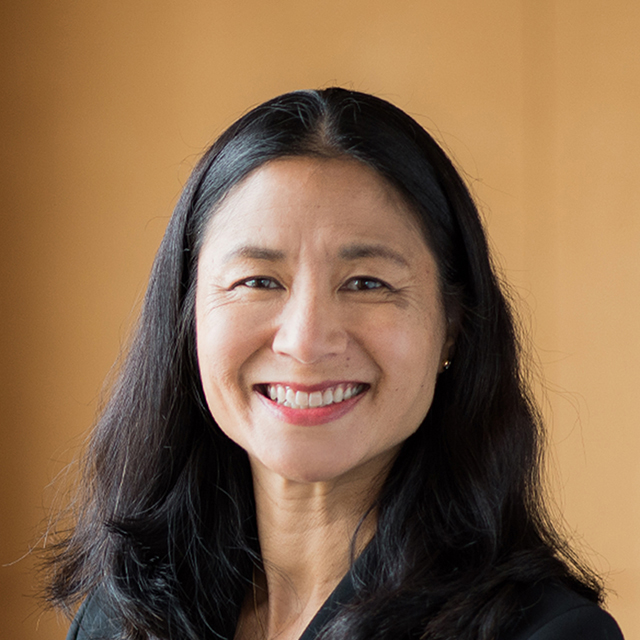
Dr. Acharya’s Achievement Award Lecture at ARVO 2026

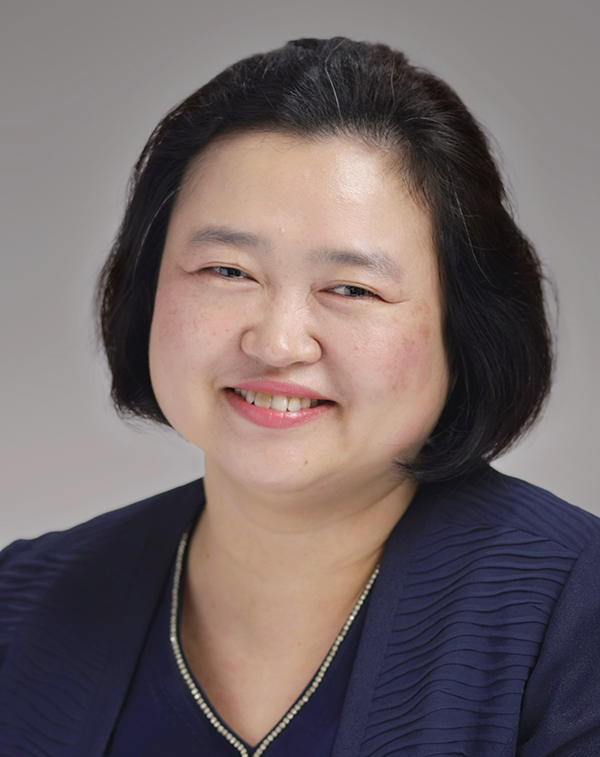
A woman with dark hair wearing a blue blazer, smiling in front of a bookshelf.

Wednesday, May 6


Weisenfeld Award Lecture
at the ARVO 2026 Annual Meeting in Denver

8:30 – 9:15AM
Colorado Convention Center
 
From Clinic to Evidence: Advancing Research in Ocular Infection and Inflammation

Nisha Acharya, MD, MS
Elizabeth C. Proctor Distinguished Professor of Ophthalmology, Epidemiology and Biostatistics
University of California San Francisco
Director, Uveitis and Ocular Inflammatory Disease Service
F.I. Proctor Foundation

Nisha Acharya will present her research translating clinical experience into rigorous studies in ocular inflammatory and infectious diseases. She will highlight her prospective clinical trials in uveitis, evaluating the comparative effectiveness of treatment strategies to optimize disease control and long-term patient outcomes. She will also discuss her population-level research on herpes zoster ophthalmicus, examining disease burden, complications, and the real-world impact of vaccination on ocular and neurologic health.

These distinct research programs illustrate how patient-centered clinical observations can drive evidence-based investigations that advance understanding and guide therapeutic decision-making. Together, they demonstrate how clinical observations at the bedside can translate into research that meaningfully impacts patient care and clinical practice.
https://www.arvo.org/annual-meeting/award-lectures

UCSF at the “ARVO 2026 Annual Meeting”

UCSF Ophthalmology and Proctor Foundation faculty, along with their research teams, are gearing up for the Association for Research in Vision and Ophthalmology (ARVO) annual meeting, scheduled May 3rd to May 7th, 2026, in Denver, Colorado. Their presentations and contributions for this event are outlined below.

Faculty and Alumni, please join us for our reception at Wright Room, Masonic Building, 535 16th Street Mall #240, Denver, on Sunday, May 3rd, 2026 from 6:30 – 8:30pm (MST). Please RSVP by the end of the day, Friday, April 20th to Shelagh Stewart-Chung at shelagh.stewart-chung@ucsf.edu.

Faculty and Student Presentations and Contributions

On Demand Presentations

Sunday, May 03

Monday, May 04

Yvonne Ou, MD

Preference, Usability, and Symptom Burden in Vivid Vision Perimetry vs Standard Achromatic Perimetry

Date and Time (MT): 5/4/2026, 03:00 PM

Location: Exhibit Hall

Type: Poster

Poster Range: 0709 – 0740

Session: Diagnosis, monitoring, telemedicine, and clinical decision making I

Tuesday, May 05

Simon Fung, MD

Pediatric Dry Eye: An Emerging Concern

Date and Time (MT): 5/5/2026, 01:35 PM

Location: Mile High 1A

Type: Presentation #2868

Session: Session ID: 329 / Eye Movements/Strabismus/Amblyopia/Neuro-Ophthalmology

Frank Brodie, MD

Development of Surgical Techniques for Implantation of Next Generation Subretinal Photovoltaic PRIMA Implant

Date and Time (MT): 5/5/2026, 03:30 PM

Location: Exhibit Hall

Type: Poster #0723

Poster Range: 0723

Session: AMD: Translational Studies Session ID: 371 Retina

Wednesday, May 06

Shreya Menon, PhD

Intraocular Pressure Trends in the Untreated Fellow Eye After Cataract and Glaucoma Surgery

Date and Time (MT): 5/6/2026, 11:15 AM

Location: Mile High 4E

Type: Presentation #3858

Session: Lasers and Surgery

Mentor: Catherine Sun

Thursday, May 07

Yvonne Ou, MD

Glaucoma neuroprotective trials: Combining sample enrichment, individualized location selection, and home-based perimetry dramatically reduces size, duration, and cost

Date and Time (MT): 5/7/2026, 08:00 AM

Location: Exhibit Hall

Type: Poster #0024

Session: Visual Fields and other functional testing

Research Spotlight: Advancing Glaucoma Care with Ying Han


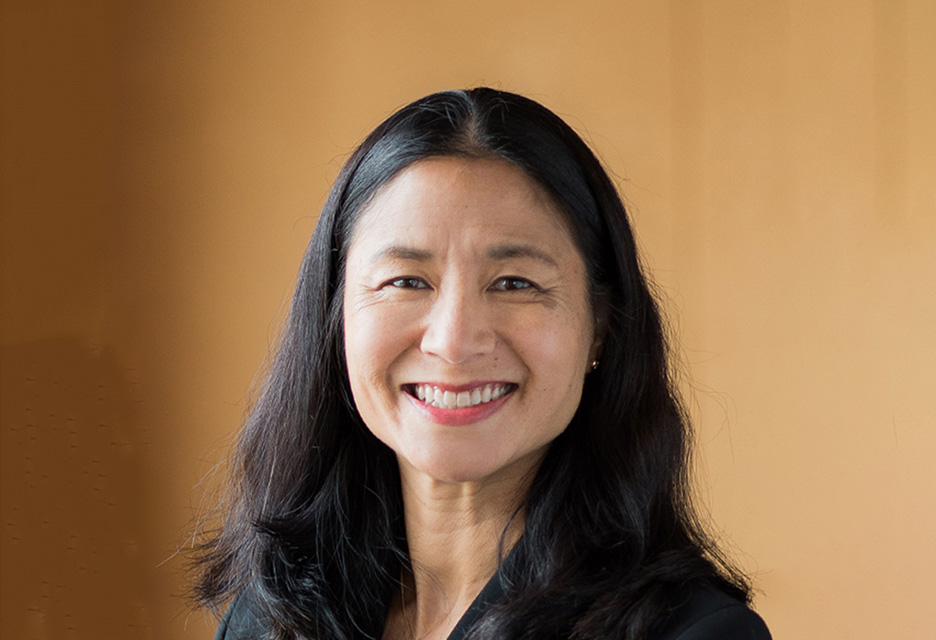
Portrait of Dr. Ying Han.
This Q&A with Dr. Han is part of a new series highlighting the breadth of research across UCSF Ophthalmology. In recognition of World Glaucoma Week, this Research Spotlight features a conversation with Ying Han, MD, PhD, whose work is helping advance new approaches to glaucoma diagnosis, treatment, and patient care.


Research Spotlight: Advancing Glaucoma Care with Ying Han

Q: What first drew you to medicine, and eventually to ophthalmology and glaucoma research?

Medicine was always part of my life. My grandfather was a family physician, and that example created a strong tradition in our family. From an early age, I saw medicine as one of the most meaningful ways to help people. It’s a field where you can directly improve and even save lives.

When I chose a specialty, ophthalmology stood out because it offers a unique balance between clinical care and surgery. It also allows physicians to care for patients across the entire lifespan. In my clinic, I see children and older adults, sometimes following patients for many years as they grow and age. That long-term relationship with patients is incredibly rewarding.

Glaucoma, in particular, is fascinating because it combines clinical care, surgery, and research. There is tremendous opportunity to translate scientific discoveries into better treatments for patients.


Q: From your perspective, what are some of the biggest shifts happening in glaucoma research and care right now?

We’re currently in a very exciting period for glaucoma research and treatment.

One major shift is in how we think about preventing certain types of glaucoma. For example, emerging research suggests that earlier cataract surgery for patients with primary angle-closure glaucoma may help prevent the progression of the disease, which is responsible for a large proportion of blindness worldwide. That’s a significant change in how we think about managing risk.

At the same time, treatment options for open-angle glaucoma have expanded dramatically. In the past, we had a limited number of therapies. Now we have multiple minimally invasive glaucoma procedures and new laser approaches that allow us to control eye pressure while minimizing complications.

Overall, glaucoma is a great example of how research can move discoveries from the laboratory to patient care relatively quickly.


Q: What areas of glaucoma research are most exciting to you right now?

My research focuses largely on clinical studies aimed at improving both surgical outcomes and patient care.

One major project is a randomized clinical trial studying the best location for placing a drainage tube during glaucoma surgery. The tube helps lower eye pressure by draining fluid from the eye. Our study is examining how different placement strategies affect surrounding eye structures and long-term outcomes. We’re also conducting genomic analyses to better understand the biological responses that occur after surgery.

Another area of work focuses on improving how glaucoma care is delivered. For example, we recently published research showing that when optometrists trained in glaucoma care manage stable patients, ophthalmologists can focus on patients who need surgery or urgent treatment. This team-based approach can improve access to care.

We’re also studying how often patients truly need follow-up visits. Historically, follow-up intervals were largely based on expert opinion. We need robust data to determine the optimal follow-up intervals for glaucoma patients. Gaining this understanding could enhance care quality while improving patient access.


Q: How are emerging technologies like artificial intelligence shaping glaucoma research?

Artificial intelligence has enormous potential in glaucoma diagnosis and management.

Our team has been working on AI tools that can identify patients with narrow-angle anatomy, a type of glaucoma that can lead to sudden increases in eye pressure and rapid vision loss. AI could help screen patients earlier and identify those who are at the highest risk of developing serious disease.

More broadly, AI may help improve the accuracy and efficiency of glaucoma diagnosis and monitoring. There are also groups exploring how AI could assist with surgical planning and other aspects of care.


Q: You’re also studying virtual and remote testing for glaucoma. How could that change patient care?

A key test for glaucoma is the visual field exam, which measures a patient’s peripheral vision. Traditionally, this test is performed in a clinic using specialized equipment.

We’re studying new approaches that could allow patients to complete visual field testing outside the clinic. For example, some systems allow patients to perform tests online, while others use virtual-reality headsets to measure vision.

Our research is comparing these different approaches to determine which are most accurate and practical. If successful, these technologies could allow patients to monitor their disease from home or in a clinic waiting room, improving convenience and expanding access to care.


Q: Why is risk stratification so important in glaucoma care?

Glaucoma is the leading cause of irreversible blindness worldwide, but it usually progresses slowly.

In fact, with appropriate care, about 75 percent of patients experience relatively stable disease or slow progression, while only a smaller group of patients experiences rapid deterioration.

That means it’s critical to identify the patients who are at the highest risk. If we can determine which patients are likely to progress quickly, we can monitor them more closely and intervene earlier. At the same time, stable patients may not need such intensive follow-up.

Better risk stratification helps ensure that patients receive the right level of care at the right time.


Q: What do you hope clinicians and researchers take away from your work?

First, I think this is an incredibly exciting time for glaucoma research. We have a real opportunity to prevent vision loss for many patients with the tools we have today, including new surgical approaches, to advanced imaging, and data analysis.

Second, I believe improving care delivery is just as important as developing new treatments. Team-based care models, smarter follow-up strategies, and better use of technology can all help ensure that patients receive timely and effective care.


Q: What makes UCSF uniquely positioned to lead in glaucoma research?

At UCSF, we benefit from a strong culture of collaboration across clinical specialties and research disciplines.

Our glaucoma team works closely with colleagues in retina, cornea, and uveitis, as well as with basic science researchers across the university. This environment allows us to study complex eye diseases from multiple perspectives.

We also treat a large number of complex cases, which provides important opportunities to identify new research questions and test innovative solutions.


Q: Looking ahead five years, where do you see UCSF leading nationally in glaucoma research?

Clinical trials will remain one of our greatest strengths. Through collaborations with groups like the Proctor Foundation, we are well positioned to conduct rigorous studies that answer critical clinical questions. These trials can directly influence how glaucoma is treated worldwide.

At the same time, UCSF has a strong basic science community that is exploring new approaches such as neuroprotection and nerve regeneration. Advances in these areas could eventually help preserve or even restore vision in patients with glaucoma.

Together, these efforts give us a real opportunity to shape the future of glaucoma care.


Image caption: Dr. Ying Han is a glaucoma specialist, surgeon, and researcher who aims to improve care through earlier diagnosis, better treatment, and stronger long-term support for patients at risk of vision loss.

Research Spotlight: Mapping the Eye–Brain Connection with Xin Duan


A blue cell illustration next to a microscope and petri dish.
This Q&A with Dr. Duan is part of a new series highlighting the breadth of research across UCSF Ophthalmology.


Q&A with Xin Duan, Professor, Department of Ophthalmology, UCSF

Dr. Xin Duan’s lab is mapping one of biology’s most complex and least understood systems: how the eye communicates with the brain. Through pioneering tools and cross-disciplinary collaboration, his team is revealing how visual information travels and how those pathways might one day be repaired to restore sight. He recently received grant funding from Research to Prevent Blindness to support some of this work


Q: What questions are your lab focused on right now?

We have two major research directions.

The first is understanding how neurons in the eye respond to injury, including glaucoma, diabetic retinopathy or ischemia. We study how those retinal neurons react at the molecular and circuit levels, and we develop tools that other scientists can use to explore those processes in both mice and humans.

The second direction looks at how eye neurons communicate with brain neurons over long distances. This is still early, basic science, but it’s laying the foundation for understanding how visual information is encoded and transmitted to the brain.


Q: What kinds of tools are you developing to make this work possible?

Our lab builds and integrates four main categories of tools:

1. Genetic and viral tools to label and manipulate specific neurons in the eye or brain.

2. Electrophysiology, using sharp electrodes to record neural activity.

3. Imaging technologies that allow us to visualize many neurons simultaneously.

4. Connectivity mapping tools, which trace the precise neural links between the retina and the brain.

Recently, a former MD-PhD student in my lab created a genetically tractable tracer that lights up connected neurons in different colors, letting us see, for the first time, exactly which retinal neurons talk to which brain neurons. We’ve since combined that work with machine learning, so we can now map thousands of these connections at once. It’s giving us a panoramic wiring diagram from the eye to the brain.


Q: What could this mean for the future of vision restoration?

If we know precisely how each retinal neuron connects to its partner in the brain, we can start to think about repairing or even recreating those connections.

That could open the door to next-generation prosthetics or brain-machine interfaces that bypass damaged parts of the eye and deliver visual information directly to the brain. For example, if someone loses the ability to detect motion, we could stimulate the exact brain regions responsible for motion perception.

It’s still early. We’re working primarily in mice, but the goal is to bring back the first electrical signals between the eye and brain. Achieving that would be a major milestone for restoring vision.


Q: You collaborate widely across UCSF and beyond. Why is that integration so important?

For a long time, ophthalmology and neuroscience were somewhat separate. But advances in imaging, materials science, and AI have made it possible to bridge those worlds.

Here at UCSF, we’re surrounded by experts in neurology, physiology, and anatomy who understand the brain from different angles. We’re also close to engineering and biotech innovators at Berkeley, Stanford, and in the Bay Area. That environment, in addition to support from agencies like the NEI and Glaucoma Research Foundation, make it possible to pursue truly cross-disciplinary science.

Ultimately, repairing vision isn’t just an eye problem or a brain problem. It’s both.


Q: What do you hope this research will achieve in 10 years?

I’m hoping we can repair electrical pathways from the eye to the brain, using a combination of molecular, cellular, and imaging tools.

That’s the dream: to reestablish communication between the eye and brain in a living system, whether in non-human primates or human patients. We have the tools and the collaborations to make it possible. Now it’s a matter of time and persistence.

Image caption: “Neurons discovered in the Duan lab with unique neuroprotective functions in the eyes and regenerative abilities back to the brain (Image Credit: Matthew Lum)”

UCSF at the “AAO 2025 Annual Meeting”

UCSF Ophthalmology and Proctor Foundation Faculty are attending the American Academy of Ophthalmology “AAO 2025” annual meeting in Orlando, from Friday, October 17, 2025, to Monday, October 20, 2025. Faculty presentations and contributions for the event are listed below.

The Francis I. Proctor Foundation, the Department of Ophthalmology, the Frederick C. Cordes Eye Society, the H. Bruce Ostler Association of Proctor Fellows, and All May See Foundation will host a reception on Saturday, October 18, 2025, from 6:00 – 8:00 PM at Tom’s Watch Bar (on the Mezzanine), 8050 International Drive, Suite 1000, Orlando, FL 32819. We look forward to connecting with UCSF alumni, faculty, and friends. IIf you haven’t done so already, please RSVP by emailing us at allmaysee@ucsf.edu.


Faculty Presentations and Contributions


Friday, October 17

Nailyn Rasool , MD

Title: Section I: Neuro-Ophthalmic Emergencies

Session: A Case of Unequal Pupils

Date: 10/17/2025, Time: 8:03 EST

Location: Room W414CD

Poster/Event Number: NEU02

Type: In Person, Live Broadcast, On Demand


Armin Afshar , MD MBA

Title: Intraocular Tumors—With Great Oncology Comes Great Responsibility

Session:

Date: 10/17/2025, Time: 10:50 EST

Location: Room W414AB

Poster/Event Number: PTH04

Type: In Person, Live Broadcast, On Demand


Jacque Duncan, MD

Title: The Enchanted Retina: Bright Ideas, Bold Discoveries: How Can We Show Treatments Are Safe and Effective in Retinal Degenerations?

Session: Section V: Medical Retina and Chorioretinal Vascular Disease, Part I

Date: 10/17/2025, Time: 10:56 EST

Location: Room W415

Poster/Event Number: RET07

Type: In Person, Live Broadcast, On Demand


Gerami Seitzman, MD

Title: Elevating the Patient Experience in Ocular Surface Care: Eyelid Margin Disease, Neurosensory Disorders, and Inflammation

Session: Independent Medical Education (IME) symposium

Date: 10/17/2025, Time: 11:30 EST

Location: Location Not Available

Poster/Event Number: NA

Type: in person


Ying Han , MD PhD

Title: Shared Care Models: Empowering Optometrists and Allied Health Professionals With the Magic of Collaborative Care

Session: Caring for Glaucoma Patients Now and in the Future

Date: 10/17/2025, Time: 14:55 EST

Location: Room W320

Poster/Event Number: GLA07

Type: In Person, Live Broadcast, On Demand


Robert Bhisitkul, MD

Title: The Enchanted Retina: Bright Ideas, Bold Discoveries: Panelist

Session: Section IX: Late Breaking Developments, Part 1

Date: 10/17/2025, Time: 16:01 EST

Location: Room W415

Poster/Event Number: RET11

Type: In person, Live Broadcast, On Demand


Saturday, October 18

Gerami Seitzman, MD

Title: Evidence-Based Strategy for Acanthamoeba Management: Knowledge Over Fear

Session: Section I: Ocular Surface Disease/Dry Eye

Date: 10/18/2025, Time: 9:27 EST

Location: Room W224

Poster/Event Number: COR02

Type: In person, live broadcast, on demand


Sarah DeParis, MD

Title: Compassionate Vision: A Candid Conversation on Mental Health and Wellness in Ophthalmology

Session: Wellness

Date: 10/18/2025, Time: 9:45 EST

Location: W315

Poster/Event Number: SYM72

Type: In Person, On Demand

Mentor: Jonathan Li, MD and Madeline Yung, MD


Jonathan Li, MD

Title: Panel Discussion: Creating Supportive Training Environments for Ophthalmology Residents

Session: Compassionate Vision: A Candid Conversation on Mental Health and Wellness in Ophthalmology

Date: 10/18/2025, Time: 9:45 EST

Location: W315

Poster/Event Number: SYM72

Type: Symposium


Neel Dave Pasricha, MD

Title: Ocular Toxicity From Immunotherapeutics and Targeted Cancer Drugs

Session: Instruction Course

Date: 10/18/2025, Time: 11:30 EST

Location: Room W105

Poster/Event Number: 247

Type: In Person


Jonathan Li, MD

Title: Myopia Control

Session: Myopia Control

Date: 10/18/2025, Time: 11:30 EST

Location: Learning Lounge 2

Poster/Event Number: LL04

Type: Learning Lounge In Person


Nisha Acharya, MD MS

Title: C Stephen and Frances Foster Lecture on Uveitis and Immunology

Session: C Stephen and Frances Foster Lecture on Uveitis and Immunology

Date: 10/18/2025, Time: 11:30 EST

Location: W311E

Poster/Event Number: SYM12

Type: In Person, Live Broadcast, On Demand


Ying Han, MD PHD

Title: PACS/PACG – Do These Patients Benefit from Presbyopia Correction?

Session: Can I Have That Lens? Surgical Considerations in Patients With Advanced Ophthalmic Comorbidities Symposium

Date: 10/18/2025, Time: 12:01 EST

Location: Room W320

Poster/Event Number: SYM32

Type: In Person, Live Broadcast, On Demand


Maanasa Indaram, MD

Title: How to Use Botox for the Management of Strabismus

Session: NA

Date: 10/18/2025, Time: 12:30 EST

Location: Learning Lounge 1

Poster/Event Number: LL05

Type: In person


Bryan Winn, MD

Title: Invasive Sino-orbital Fungal Disease

Session: Invasive Sino-orbital Fungal Disease

Date: 10/18/2025, Time: 13:55 EST

Location: Room W414CD

Poster/Event Number: OCU05

Type: In Person, Live Broadcast, On Demand


Matilda Chan, MD, PhD

Title: Effective Peer Review: A Responsibility to Maintain Scientific Integrity

Session:

Date: 10/18/2025, Time: 14:00 EST

Location: Room W231

Poster/Event Number: 268

Type: In Person Instruction Course


O’Rese J Knight, MD

Title: Creating Diversity in Clinical Trials in Ophthalmology

Session:

Date: 10/18/2025, Time: 14:00 EST

Location: W315

Poster/Event Number: SYM19

Type: In Person, On Demand


Nickisa Hodgson, MD

Title: Dacryocystorhinostomy: External vs. Endoscopic Approach

Session:

Date: 10/18/2025, Time: 14:50 EST

Location: Room W414CD

Poster/Event Number: OCU06

Type: In Person, Live Broadcast, On Demand


Sunday, October 19

Jacque Duncan, MD

Title: What You Need to Know from the Past Year’s Literature: Retina

Session: What You Need to Know from the Past Year’s Literature

Date: 10/19/2025, Time: 9:45 EST

Location: Room W224

Poster/Event Number: SYM34

Type: In Person, Live Broadcast, On Demand/Symposium


Yvonne Ou , MD

Title: Leveraging New Technologies to Detect Glaucoma in 4 States: Methods and Opportunities for Implementation

Session: Leveraging New Technologies to Detect Glaucoma in 4 States: Methods and Opportunities for Implementation

Date: 10/19/2025, Time: 9:45 EST

Location: W309

Poster/Event Number: SYM68

Type: In Person


Nisha Acharya, MD MS

Title: The Great Debate: Uveitis

Session: The Great Debate: Uveitis

Date: 10/19/2025, Time: 11:30 EST

Location: Room W224

Poster/Event Number: SYM38

Type: In Person, Live Broadcast, On Demand


Monday, October 20

John Gonzales, MD

Title: Corneal Neuropathies in Dry Eye Disease

Session: Corneal Nerves in Health and Disease

Date: 10/20/2025, Time: 8:15 EST

Location: Room W414CD

Poster/Event Number: SYM55

Type: In person


John Gonzales, MD

Title: Academy Café: Uveitis

Session: Academy Café: Uveitis

Date: 10/20/2025, Time: 9:45 EST

Location: Room W204

Poster/Event Number: SYM59

Type: In person


Nailyn Rasool, MD

Title: Neuro-Ophthalmology

Session: Curbside Consultation in Neuro-Ophthalmology

Date: 10/20/2025, Time: 11:30 EST

Location: W311AB

Poster/Event Number: 639

Type: In Person


Nailyn Rasool, MD

Title: Neuro-Ophthalmology

Session: Down the Rabbit Hole: Making Sense of Cortical Visual Disturbances

Date: 10/20/2025, Time: 14:00 EST

Location: W311AB

Poster/Event Number: 648

Type: In Person


On Demand Presentations

Alyssa Godfrey, MS

Title: Impact of Teprotumumab (Tepezza) on Strabismus Surgery Outcomes in Patients With TED

Session: NA

Date: On-Demand Online

Location: On Demand

Poster/Event Number: PO589

Type: On Demand

Mentor: Maanasa Indaram


Ajay Kolli , MD MPH

Title: Real-World Analysis of Glaucoma Progression in Patients With Delayed Follow-Up

Session: NA

Date: On-Demand Online

Location: On Demand

Poster/Event Number: PO312

Type: On Demand

Mentor: Ying Han


O’Rese J Knight, MD

Title: Geographic Practice Patterns of Research Mentoring Program Alumni

Session:

Date: On-Demand Online

Location: On Demand

Poster/Event Number: PO405

Type: On Demand


Gerami Seitzman, MD

Title: Comparing Microbiologic Tests for Pathogen Detection in Infectious Keratitis Using Latent Class Analysis

Session: Topic: Cornea, External Disease

Date: On-Demand Online

Location: On Demand

Poster/Event Number: PO006

Type: Scientific Poster on demand

UCSF Vision Scientists Honored with Prestigious RPB Awards

Two UCSF researchers have received major awards from Research to Prevent Blindness (RPB), one of the nation’s leading organizations supporting innovative vision science. These honors reflect the strength of UCSF’s research community and its commitment to transforming care for people with blinding eye diseases.

Luciano C. Greig, MD, PhD, Assistant Professor of Ophthalmology, has been awarded the highly competitive RPB Career Development Award (CDA). Designed to support early-career researchers as they establish independent labs, this four-year grant provides critical funding for promising vision scientists poised to make significant contributions to the field.

Dr. Greig’s research seeks to understand how genes guide the formation of the retina’s many cell types. His lab’s discoveries are laying the foundation for advanced stem cell therapies that could one day restore vision lost to diseases currently without cures.
Learn more about Dr. Greig’s research ›

Xin Duan, PhD, Professor, has received the RPB Stein Innovation Award, a three-year grant that funds pioneering research into how eye neurons and blood vessels interact to maintain proper visual function and retina health.

Dr. Duan’s lab investigates how vascular and ocular pressure interact in the eye. Fluctuations in these pressures may affect retinal neuron survival, yet the cellular and molecular mechanisms involved remain unclear. Dr. Duan’s recent research identified perivascular neurons and mechanosensitive channels, shedding light on retinal vascular disorders such as diabetic retinopathy and retinal ischemia. Currently, few cures exist beyond anti-VEGF treatments. There is an urgent need to uncover the cellular and molecular mechanisms that guide vascular development and function. Defining perivascular RGCs and exploring their molecular features may lead to innovative therapies that target the newly recognized neurovascular interactions, especially those related to anti-VEGF-resistant growth.

These awards underscore UCSF’s leadership in vision research and the promise of discovery to improve outcomes for patients worldwide.

UCSF at the “ARVO 2025 Annual Meeting”

UCSF Ophthalmology and Proctor Foundation faculty, along with their research teams, are gearing up for the Association for Research in Vision and Ophthalmology (ARVO) annual meeting, scheduled May 3rd to May 8th, 2025, in Salt Lake City, Utah. Their presentations and contributions for this event are outlined below.

Faculty and Alumni, please join us for our cocktail reception at Brio Italian Grille 80 S. Regent Street Salt Lake City on Sunday, May 4th, 2024 from 6:30 – 8:30pm. Please RSVP by the end of the day, Friday, April 18th to Shelagh Stewart-Chung at shelagh.stewart-chung@ucsf.edu

Faculty and Student Presentations and Contributions

Friday, May 02

Jonathan Li , MD

2025 Eyecelerator affiliated with ARVO

Date: 5/2/2025, Time (MT): 07:00 AM

Location: Grand Hyatt Deer Valley Park City

Type:

Session: Eyecelerator 2025 – Economics of Myopia


Sunday, May 04

Alice Summer Tang, PhD

Phenotyping Cataract Surgeries to Mitigate Zonulopathy Risk at an Academic Medical Center

Date: 5/4/2025, Time (MT): 01:00 AM

Location: Online, OnDemand

Type: Abstract OD30

Session: CL On Demand Sessions

Mentor: Catherine Sun, MD and Madeline Yung, MD


Elaine Liu, MD, PhD

Longitudinal Analysis of Microvascular Changes in Diabetes in a Diverse, Urban Safety-Net Population

Date: 5/4/2025, Time (MT): 08:00 AM

Location: Hall A-E Salt Palace Convention Center

Type: Poster B0179

Poster Range: B0170 – B0222

Session: Diabetic retinopathy: Epidemiology, Clinical Practice and Innovations

Mentor: Jay Stewart, MD


Alyssa Godfrey, MSc

Investigating the Impact of Social Determinants of Health on Corneal Transplantation Outcomes in Patients with Keratoconus and other Corneal Disorders

Date: 5/4/2025, Time (MT): 09:00 AM

Location: Hall A-E Salt Palace Convention Center

Type: Poster A0251

Poster Range: A0239 – A0270

Session: Corneal Surgery I

Mentor: Maanasa Indaram, MD


Iris Kim, BA

Predicting Progression to Proliferative Diabetic Retinopathy in the University of California Health System

Date: 5/4/2025, Time (MT): 09:00 AM

Location: Hall A-E Salt Palace Convention Center

Type: Poster B0177

Poster Range: B0170 – B0222

Session: Diabetic retinopathy: Epidemiology, Clinical Practice and Innovations

Mentor: Catherine Sun, MD


Aparna Lakkaraju, PhD

A novel progranulin-mTOR axis regulates RPE mitochondrial bioenergetics, subretinal inflammation, and photoreceptor dysfunction in retinal neurodegenerative disease

Date: 5/4/2025, Time (MT): 03:15 PM

Location: Hall A-E Salt Palace Convention Center

Type: Poster B0495

Poster Range: B0463 – B0507

Session: Disease models inform biology


Monday, May 05

Albert Xu, BA

Epidemiology of acute angle closure and laser peripheral iridotomy in California emergency departments

Date: 5/5/2025, Time (MT): 08:30 AM

Location: Hall A-E Salt Palace Convention Center

Type: Poster B0374

Poster Range: B0372 – B0418

Session: Glaucoma Epidemiology, Risk Factors, and Social Determinants

Mentor: Yvonne Ou, MD


Jacque Duncan, MD

NEUROD4, a novel gene associated with early-onset recessive Retinal Degeneration (RD)

Date: 5/5/2025, Time (MT): 10:00 AM

Location: 255D Salt Palace Convention Center

Type: Presentation 1347

Session: Genetic discovery, diagnostics and functional follow ups for rare eye diseases


Scott Harris, PhD

Detection of retinal degeneration by measuring reflexive eye movements

Date: 5/5/2025, Time (MT): 03:00 PM

Location: Hall A-E Salt Palace Convention Center

Type: Presentation B0116

Poster Range: B0097 – B0151

Session: Retina Miscellaneous II

Mentor: Felice Dunn, PhD and Jacque Duncan, MD


Jacque Duncan, MD

Factors associated with microperimetry false positive responses in patients with retinitis pigmentosa (RP)

Date: 5/5/2025, Time (MT): 03:00 PM

Location: Ballroom J Salt Palace Convention Center

Type: Presentation 1941

Session: Factors associated with microperimetry false positive responses in patients with retinitis pigmentosa (RP)


Maanasa Indaram, MD

Real-World Effectiveness of a Binocular, Dual-Mechanism Therapy in Severe and Deprivational Amblyopia: Analysis from the PUPiL Registry

Date: 5/5/2025, Time (MT): 04:00 PM

Location: Hall A-E Salt Palace Convention Center

Type: Poster A0387

Poster Range: A0369 – A0392

Session: Amblyopia


Tuesday, May 06

Finn Wolfreys, MS, DPhil

Flow-cytometry analysis of uncharacterized SLC4A11 mutations suggests mechanistic heterogeneity

Date: 5/6/2025, Time (MT): 08:30 AM

Location: Hall A-E Salt Palace Convention Center

Type: Poster A0217

Poster Range: A0209 – A0242

Session: Corneal Endothelium I

Mentor: Matilda Chan, MD, PhD


Patrick Takla, BA

Comparative Analysis of Endothelial Cell Density in Stable vs. Surgical Candidates with Glaucoma

Date: 5/6/2025, Time (MT): 08:30 AM

Location: Hall A-E Salt Palace Convention Center

Type: Poster A0242

Poster Range: A0209 – A0242

Session: Corneal Endothelium I

Mentor: Ying Han, MD, PhD


Jacque Duncan, MD

Enhancing Variant Curation Protocols to Improve Clinical Genetic Testing for Recessive GUCY2D Retinopathies

Date: 5/6/2025, Time (MT): 09:30 AM

Location: Ballroom G Salt Palace Convention Center

Type: Presentation 2730 Talk by Lori Sullivan

Session: International consortia for genetic disease standards


Ryan Morton, BA

Intravital Multiphoton Imaging of Microglia and Their Interaction with Synapses in Experimental Glaucoma

Date: 5/6/2025, Time (MT): 10:45 AM

Location: Ballroom I Salt Palace Convention Center

Type: Paper 2745

Session: Progress in Molecular and Animal Model Imaging

Mentor: Tyson Kim, MD


Subramanian Dharmarajan, PhD

Retinal synapse disassembly in a non-human primate model of experimental glaucoma

Date: 5/6/2025, Time (MT): 11:00 AM

Location: Ballroom J Salt Palace Convention Center

Type: Presentation 2753

Session: Inner retina circuits and function

Mentor: Yvonne Ou, MD


O’Rese J. Knight, MD

Using Self-Sensing Atomic Force Microscopy Cantilevers to Measure Intraocular Pressure

Date: 5/6/2025, Time (MT): 01:15 PM

Location: Hall A-E Salt Palace Convention Center

Type: Poster A0364

Poster Range: A0342 – A0373

Session: Corneal Biomechanics


Jacque Duncan, MD

Adaptive Optics Imaging for Clinical Trials: fad or future?

Date: 5/6/2025, Time (MT): 01:15 PM

Location: Ballroom H Salt Palace Convention Center

Type: Minisymposium talk

Session: Clinical applications of adaptive optics imaging


Anbukkarasi Muniyandi, PhD

Transplanted human retinal ganglion cells survive and extend dendrites to the deep layers of the retina in an organotypic explant system

Date: 5/6/2025, Time (MT): 01:15 PM

Location: Hall A-E Salt Palace Convention Center

Type: Poster A0364

Poster Range: A0427 – A0480

Session: Glaucoma: Neuroprotection and neurorepair

Mentor: Yvonne Ou, MD


Linus Shen, MD

Characterizing the Impact of Geographic Atrophy Progression on Visual Acuity and Vision-Related Quality of Life Over 4 Years – An Analysis of AREDS and AREDS2

Date: 5/6/2025, Time (MT): 04:30 PM

Location: 255ABC Salt Palace Convention Center

Type: Paper 3618

Session: AMD Clinical research I


Linus Shen, MD

Pixel-Based Analysis of Geographic Atrophy Progression: Determinants of Pixel Involvement

Date: 5/6/2025, Time (MT): 05:15 PM

Location: 255ABC Salt Palace Convention Center

Type: Paper 3621

Session: AMD Clinical research I


Wednesday, May 07

Annika Balraj, PhD

Loss of cone inputs is correlated with reduced spike response and greater direction selectivity in ON-direction selective ganglion cells

Date: 5/7/2025, Time (MT): 11:15 AM

Location: Ballroom F Salt Palace Convention Center

Type: Paper 4067

Session: Retina/RPE: Metabolism, physiology and pharmacology

Mentor: Felice Dunn, PhD


Joo Yeun Lee, PhD

Partial Input Loss Differentially Modifies Neural Pathways

Date: 5/7/2025, Time (MT): 11:15 AM

Location: Ballroom J, Salt Palace Convention Center

Type: Paper 4095

Session: Retinal Disease and Neuronal Repair

Mentor: Felice Dunn, PhD


Yvonne Ou, MD

Glaucoma Detection Comparative Effectiveness Studies

Date: 5/7/2025, Time (MT): 01:15 PM

Type: Oral

Session: CDC’s Vision Health Initiative: Advancing the Intersection of Public Health, Vision Health, and Eye Health


Camille Fang, BS

Live Imaging of Microglia Dynamics and Their Role In Synaptic Pruning In Experimental Glaucoma

Date: 5/7/2025, Time (MT): 02:00 PM

Location: Hall A-E Salt Palace Convention Center

Type: Poster A0428

Poster Range: A0414 – A0455

Session: Glaucoma: Neuroinflammation and neurodegeneration

Mentor: Yvonne Ou, MD


Jocelyn Liu, BA

Practice Patterns for Open-Angle Glaucoma Treatment in the US

Date: 5/7/2025, Time (MT): 02:00 PM

Location: Hall A-E Salt Palace Convention Center

Type: Poster B0306

Poster Range: B0257 – B0310

Session: Glaucoma: Lasers and Surgery

Mentor: Catherine Sun, MD


Xinyi Chen, MD

Sex differences in inflammatory serum proteins in patients with diabetic retinopathy (DR)

Date: 5/7/2025, Time (MT): 02:00 PM

Location: Room 444 Salt Palace Convention Center

Type: Poster A0056

Poster Range: 4730 – A0056

Session: Diabetic Retinopathy: Medical

Mentor: Jay Stewart, MD


Mengya Zhao, MD, PhD

Spatial Transcriptomics and Genetic Characterization of Mouse Perivascular Retinal Ganglion Cell Types

Date: 5/7/2025, Time (MT): 02:00 PM

Location: Poster Hall Salt Palace Convention Center

Type: Poster A0536

Poster Range: 4962 – A0536

Session: RGC function, dysfunction, and central processing

Mentor: Xin Duan, PhD


Rongshan Yan, PhD

Macropinocytosis Inhibition Mitigates Antibody-Drug Conjugate (ADC) Corneal Toxicity In Vitro

Date: 5/7/2025, Time (MT): 02:00 PM

Location: 255E Salt Palace Convention Center

Type: Presentation 4602

Session: Tackling Toxicities and Degenerations

Mentor: Neel Pasricha, MD


Thursday, May 08

Taras Litvin, OD, PhD

Evaluation of the Effect of Ophthalmology-Optometry Co-Management Model on Productivity Metrics

Date: 5/8/2025, Time (MT): 08:00 AM

Location: Hall A-E Salt Palace Convention Center

Type: Poster B0365

Poster Range: BO365

Session: Clinica/Epidemiologic Research


Jacque Duncan, MD

Alternative Endpoints

Date: 5/8/2025, Time (MT): 08:17 AM

Location: Room 250 Salt Palace Convention Center

Type: 5253 Symposium

Session: Innovative Breakthroughs in Ocular Gene Therapy


Ethan Lindgren, MS

Animal Models of Antibody-Drug Conjugate (ADC) Corneal Toxicity

Date: 5/8/2025, Time (MT): 08:00 AM

Location: Hall A-E Salt Palace Convention Center

Type: Poster A0404

Poster Range: A0401 – A0448

Session: Toxicities, Degeneration, Development, and More

Mentor: Neel Pasricha, MD


Irene Pak, BS

Clustered Virtual Reality Visual Field Testing for At-Home Glaucoma Monitoring: A Prospective Study at the Three-Year Mark

Date: 5/8/2025, Time (MT): 08:00 AM

Location: Hall A-E Salt Palace Convention Center

Type: Poster B0273

Poster Range: B0252 – B0287

Session: Glaucoma: Visual fields and other functional testing

Mentor: Yvonne Ou, MD


Ajay KOlli, MD MPH

Visual Field and Optical Coherence Tomography Progression in Glaucoma Patients with Delayed Follow-Up

Date: 5/8/2025, Time (MT): 11:45 AM

Location: Hall A-E Salt Palace Convention Center

Type: Poster B0334

Poster Range: 6226 – B0334

Session: Glaucoma: Tools & advancements in diagnosis, monitoring, telemedicine, and clinical decision making

Mentor: Ying Han, MD, PhD


Jacque Duncan, MD

Towards reproducible reading of AOSLO data in multi-center clinical trials

Date: 5/8/2025, Time (MT): 11:45 AM

Location: Hall A-E Salt Palace Convention Center

Type: Poster A0535

Poster Range: A0515 – A0539

Session: Inherited and other eye disease


John Nesemann, MD MSc

Effects of short-term wildfire smoke PM2.5 on California ED visits for eye complaints

Date: 5/8/2025, Time (MT): 01:00 PM

Location: Ballroom E Salt Palace Convention Center

Type: Paper 5903

Session: Global and public health, disparities, EHR analysis

Mentor: Jeremy Keenan, MD, MPH and Benjamin Arnold, PhD


Evan Chen, MD

Ophthalmologist and Optometrist Co-management Model for Glaucoma: Outcomes from a Single Tertiary Care Center Study

Date: 5/8/2025, Time (MT): 03:30 PM

Location: Room 250 Salt Palace Convention Center

Type: Presentation 6241

Session: Glaucoma: Tools & advancements in diagnosis, monitoring, telemedicine, and clinical decision making

Mentor: Meghan Shan, MD


Sydney Williams, BS

Ceramide destabilizes gap junctions to promote RPE atrophy in Stargardt disease

Date: 5/8/2025, Time (MT): 03:30 PM

Location: Ballroom B Salt Palace Convention Center

Type: Presentation 6260

Session: Retinal Lipid Metabolism in Health and Disease

Mentor: Aparna Lakkaraju, PhD