A Dream Realized

Inside UCSF Ophthalmology’s New Home


Making It Official

After nearly a decade – from the initial plans to bring the Department of Ophthalmology and the Francis I. Proctor Foundation together on the Mission Bay Campus to the recent completion of the new core facility – the Wayne and Gladys Valley Center for Vision is making an impact.

The Center, which, along with research, teaching, surgical, and administration facilites, houses the world-class Koret and Proctor Foundation clinics, began to see patients in the new Mission Bay location in October 2020. Due to COVID-19, stringent safety guidelines were implemented and the official virtual Opening Celebration was delayed until February 18, 2021.

“Our new center provides the platform for continually advancing ophthalmology, further transforming the field, empowering UCSF leaders, researchers, clinicians, residents, fellows, and students to tackle enormous challenges ahead through innovation and collaboration that Mission Bay colleagues inspire,” said Kathleen Rydar, President Emerita of That Man May See.

UCSF Chancellor Sam Hawgood, MBBS, acknowledged the Wayne and Gladys Valley Foundation “for its generosity and foresight in the creation of this building, which will help to advance the groundbreaking work of all those who call it home. Your tireless commitment to improving vision treatments and care for all those in our communities is nothing short of inspiring.”

Dr. Hawgood went on to recognize Department Chair Stephen McLeod, MD, for “his remarkable leadership of the Department of Ophthalmology, as well as all of the faculty and staff, whose work every single day impacts the lives of our patients and their families. They embody our commitment, redefining possible with their passion and dedication to improving vision and eye health for all. […] I would like to thank the many leaders on our faculty, staff, and the UCSF Capital Projects team for their important role in the planning, design, and construction of this building and the dedicated team at That Man May See for their partnership and commitment to this project. Each of you has helped to make possible this transformational facility which holds tremendous promise for discovery and for healing countless patients in our care.”

Additional recognition goes to the contributions of UCSF Events Director Mary Hoffman; UCSF Events Manager Liz Purdy; Vice President of the UCSF Foundation and UCSF Vice Chancellor of University Development and Alumni Relations Jennifer Arnett; and the Board of Directors of That Man May See.
 

Wayne and Gladys Valley Center for Vision
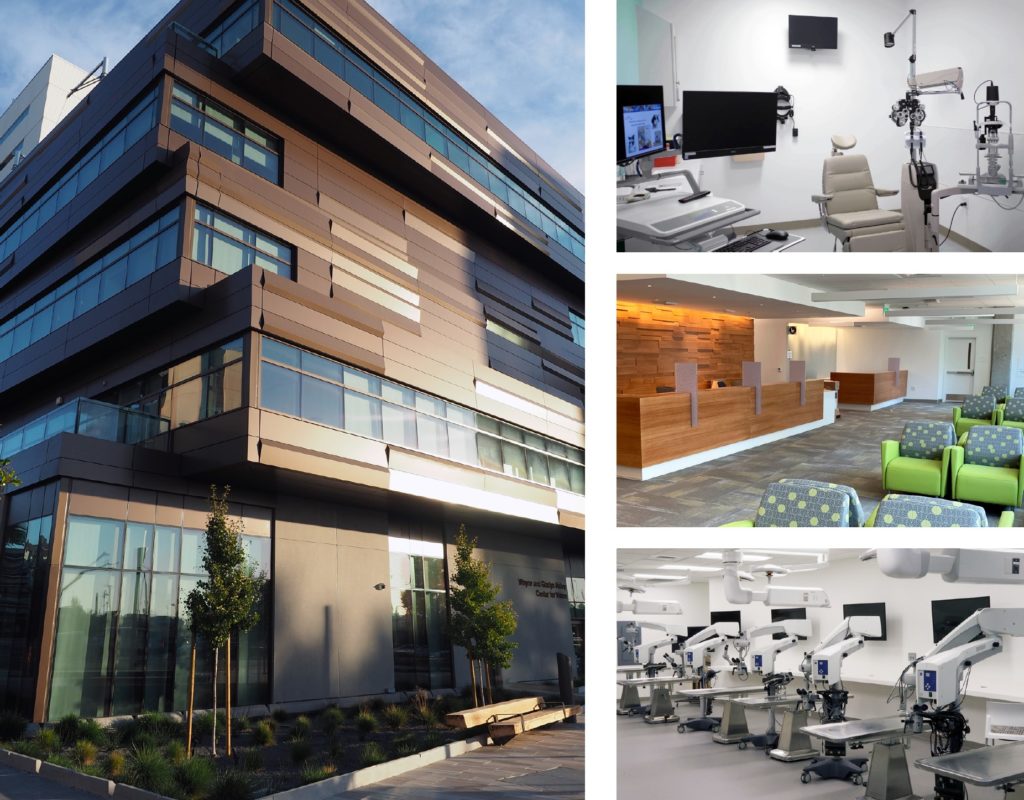
The Wayne and Gladys Valley Center for Vision; an exam room; the Joan and David Traitel Lounge; the Tom and Yvonne Mazzocco Surgical Laboratory.

Under One Roof

For many years, UCSF eye care programs were in multiple locations throughout San Francisco. Now research scientists and physicians across a wide spectrum of vision- and eye-related disciplines have been brought together at UCSF’s Mission Bay campus with many more to follow. This will facilitate coordinated patient care and extend the boundaries of scientific discovery.

“The Wayne and Gladys Valley Center for Vision supports instrumental collaboration between some of the most brilliant minds combating visual disease today and delivers on our commitment to transforming lives,” said Dr. McLeod.

The new home for UCSF Ophthalmology owes its creation to the commitment and generosity of patients, physicians, and donors, and will bring hope to those impacted by vision complications around the world.

“The transcendent beauty of true philanthropy,” said University of California President Michael Drake, MD, “is that your contributions will be a gift to people far and wide for generations to come – people you will never know, but whose lives will be better because of you.”

“The cutting-edge research that will be accomplished here and the care our experts provide will impact the quality of life for countless individuals of all ages for years to come…” – Deborah Chesky, That Man May See President

The Patient Experience

Access to renowned ophthalmologists, surgeons, optometrists, and scientists has been expanded to facilitate more of the community through 80 patient care rooms and over 45,000 square feet of clinic space. The Wayne and Gladys Valley Center for Vision has been designed with visually impaired visitors’ needs in mind, providing a welcoming and inclusive experience for all who come through its doors. Function, equity, and comfort were all carefully incorporated by the architects.

Set to welcome more than 160,000 patient visits a year, the Wayne and Gladys Valley Center will offer eye care ranging from routine to complex and multidisciplinary specialty care services. This includes advanced cataract and corneal surgery, complex glaucoma, ocular inflammatory disease, orbital disease and eye tumors, challenging retinal disorders, and neuro-ophthalmological conditions facilitated by the latest therapeutic and diagnostic equipment.

“The cutting-edge research that will be accomplished here and the care our experts provide will impact the quality of life for countless individuals of all ages for years to come,” said Mrs. Chesky. “Our faculty members and alumni are truly poised to save sight and to save lives.”

On February 18, 2021, so many helped us celebrate the opening of The Center. Thank you.

This special virtual event featured remarks by University of California President Michael Drake, MD; UCSF Chancellor and Arthur and Toni Rembe Rock Distinguished Professor Sam Hawgood, MBBS; Dean of the School of Medicine and Vice Chancellor of Medical Affairs Talmadge E. King, Jr., MD; Chair of UCSF Ophthalmology Department and Theresa M. and Wayne M. Caygill, MD, Distinguished Professor and Chair Stephen D. McLeod, MD; That Man May See President Deborah Chesky, President Emerita Kathleen Rydar, and Chair of the Board John de Benedetti. It also included a tour of the Valley Center, led by Dr. McLeod.

Special guests at the live event which followed the virtual opening celebration, included Dr. Michael Drake, Chancellor Sam Hawgood, Dr. Talmadge King, Michael Desler, Dr. Stephen McLeod, Ruth Hoffman, Ron Conway, Dr. David and Victoria Chang, Don and Judy McCubbin, John de Benedetti and Nina Srejovic, Tom and Johanna Baruch, Lily Huang, John Stock, John Rohal, Pat and Phil Jelley; Drs. Tom and Chihori Lietman; Kathleen Rydar; and Deborah Chesky.

View the Opening Celebration online: https://www.thatmanmaysee.org/valley-opening

Schedule your next appointment at the Wayne and Gladys Valley Center for Vision today. Call 415.353.2800 Monday-Friday, 8 a.m. – 5 p.m.

New UC President: An Old Friend of UCSF


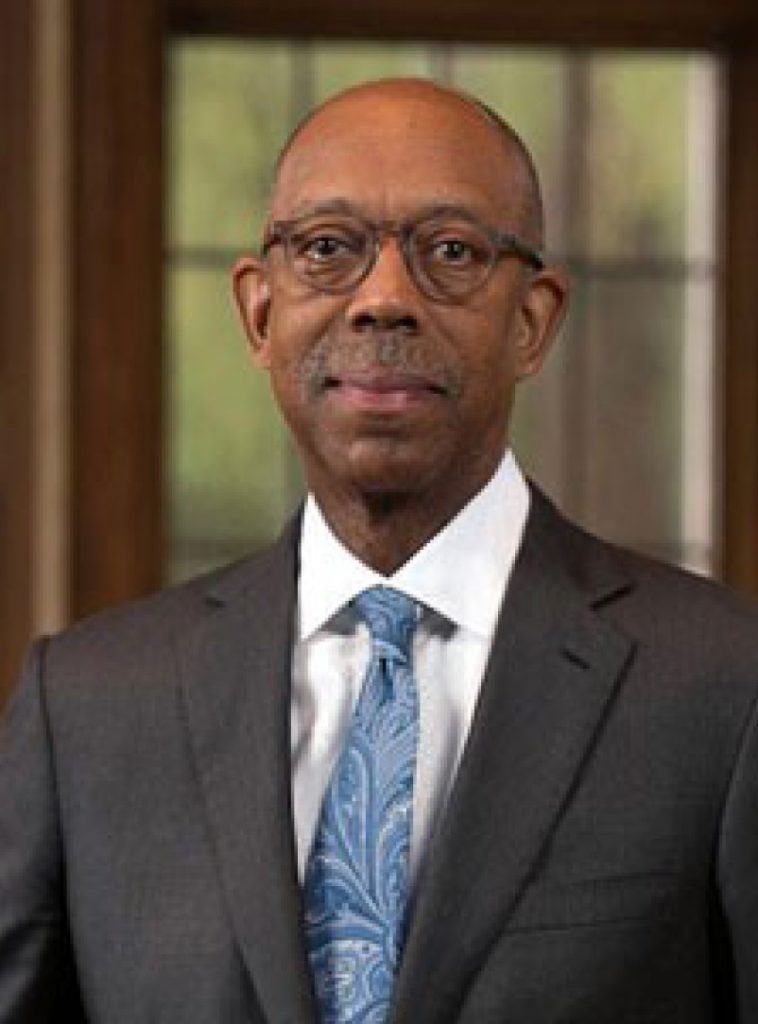
A man in a suit with glasses standing in front of a window.

DID YOU KNOW?

Dr. Drake has been on the faculty of UCSF’s Department of Ophthalmology for over 20 years.


Michael V. Drake, MD, has been selected as the 21st president of the University of California (UC) world-renowned system of ten campuses, five medical centers, three nationally-affiliated labs, more than 280,000 students and 230,000 faculty and staff. He is the first person of color to serve as UC President in the system’s 152-year history.

With a long and distinguished career in higher education, Dr. Drake most recently served as president of Ohio State University (OSU) since 2014. Prior to his six years at OSU, his entire academic career has been at UC, including as chancellor of UC Irvine from 2005 to 2014 and as the systemwide vice president for Health Affairs from 2000 to 2005.

His appointment is especially exciting as Dr. Drake is a longtime UCSF colleague. He received his medical degree is from UCSF, did his residency and fellowship in ophthalmology here, and subsequently spent more than two decades on the faculty of the UCSF School of Medicine, including as the Steven P. Shearing Professor of Ophthalmology. He was also Vice Chair of the Department of Ophthalmology and Senior Associate Dean for Admissions and Extramural Academic Programs in the School of Medicine.

Under his leadership as Chancellor, Dr. Drake greatly enhanced UC Irvine’s reputation as a premier university. UC Irvine rose to join the Top 10 Public Universities in U.S. News & World Report’s annual list and was ranked by Times Higher Education as the No. 1 university in the US under 50 years old. During his tenure, the fouryear graduation rate increased by more than 18 percent, while undergraduate enrollment and diversity significantly increased. In addition, Dr. Drake oversaw the establishment of new schools of law and education as well as programs in public health.

He has published numerous scientific articles and co-authored six textbooks. Dr. Drake is a member of several national scientific and scholarly societies including the American Academy of Arts and Sciences, the Institute of Medicine, and the National Academies of Science. He has received several awards for teaching, public service, mentoring, and research.

Dr. Drake and his wife, Brenda, have two grown sons and four grandchildren.

Log-On: The Doctor Will See You Now


Telemedicine: The use of technology to connect patients and healthcare providers who cannot interact in person.

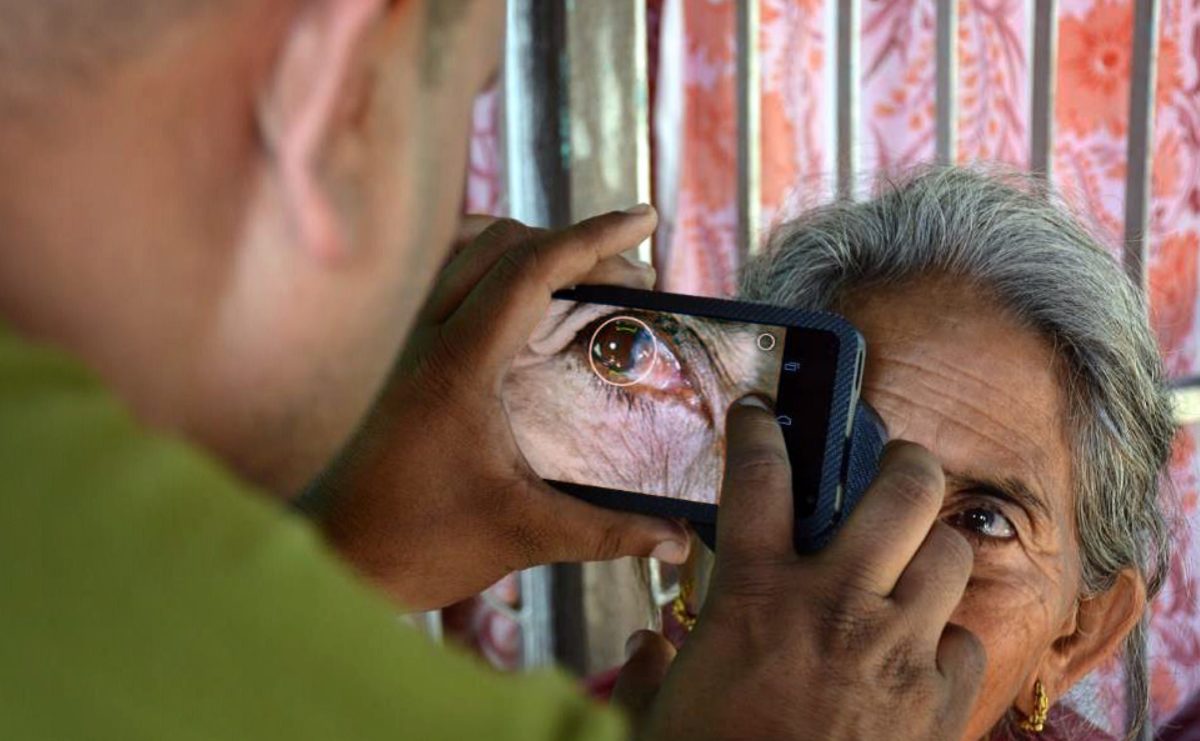
The concept of today’s telemedicine goes back to the 1950s. Originally used to link rural patients with medical staff in more centralized locations, the COVID-19 pandemic of 2020 has brought the clinic into everyone’s home. But even before sheltering-in-place, UCSF doctors have been using and refining telemedicine from the Tenderloin to Thailand. (Photo caption: Using a special attachment, a field technician turns his smartphone into an optical camera.)


San Francisco: Diabetes and Glaucoma Mobile Screenings 

The prevalence of diabetes is growing, both in the United States and worldwide. As a result, the frequency of diabetic retinopathy (DR) and vision threatening diabetic retinopathy (VTDR) is also expected to increase dramatically. Individuals with Type 1 diabetes should have annual screenings for DR beginning five years after the onset of their disease. Those with Type 2 diabetes need a prompt examination at the time of diagnosis and at least yearly examinations thereafter. However, only about 60% of those with either form of diabetes currently have yearly screenings.

Map of San Francisco with service site and camera locations marked.


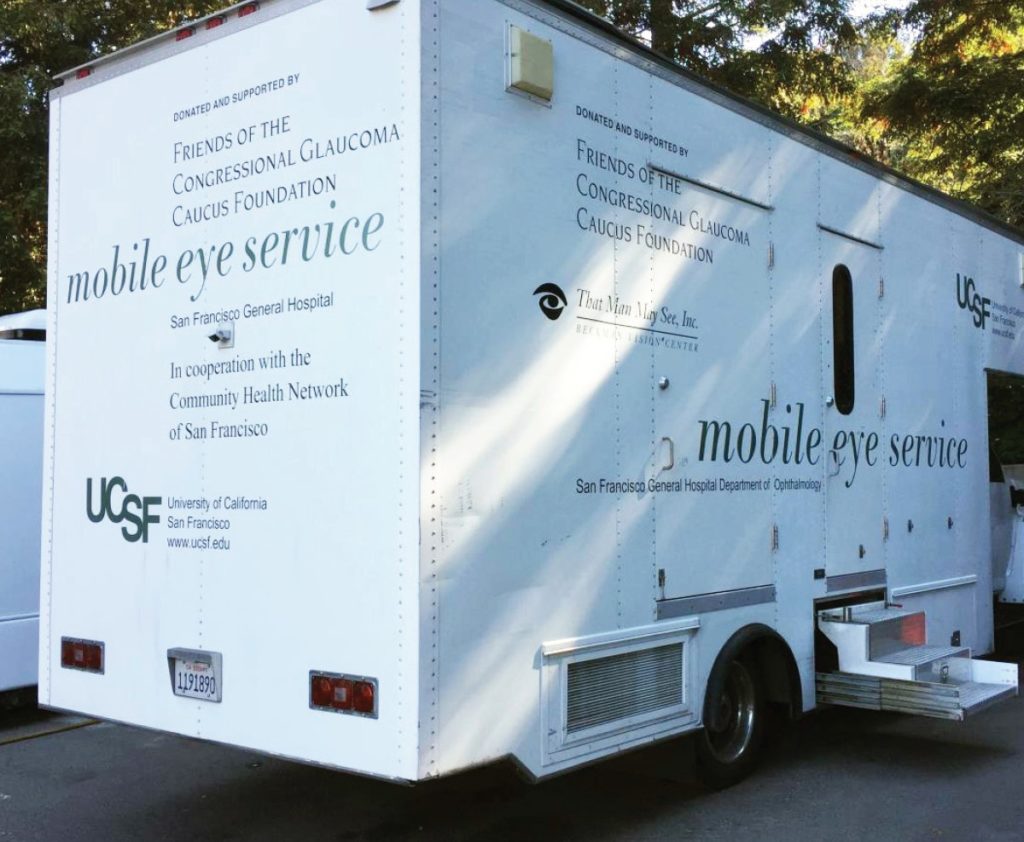
White mobile eye service vehicle parked outdoors.
The Eye Van: UCSF’s ophthalmology mobile diagnostic clinic

Enter the Eye Van
Gifts from the Friends of the Congressional Glaucoma Caucus Foundation, the San Francisco Health Plan, and That Man May See allowed purchase of a van in 2004 that is used by a collaboration of UCSF, San Francisco General Hospital (now Zuckerberg San Francisco General Hospital or ZSFGH), and the San Francisco Community Health Network (CHN). This van provides mobile eye care as well as glaucoma and retinal screenings for San Francisco’s underserved population.

With funding from the city and county of San Francisco, grants from the state of California, UCSF, and ZSFGH, and the teamwork of UCSF Retina faculty Armin Afshar, MD, MBA, Director of Tele-Ophthalmology for the San Francisco Department of Public Health, and Jay Stewart, MD, Chief of Ophthalmology at ZSFGH, the 28-foot Eye Van was refurbished in 2017. This allowed a state-of-the-art ultra-widefield fundus camera to be mounted inside. This camera captures images of the back portion of the eye: the retina, macula, fovea, optic disc, and posterior pole.


How It Works
With a technician, the Eye Van is sent on a rotational schedule to primary care clinics in areas of need throughout San Francisco. Additional retinal cameras in four community health center primary clinic locations in the city allow patients to receive diabetic retinal screenings at the same time and location as their physician visits.

Dubbed the “ZSFGH Eye Clinic on Wheels,” the van connects to Wi-Fi at each primary care health center as it arrives. The patient’s electronic health record is accessible from an on-board computer and demographic/clinical information is collected at the time of the screening.

Retinal images are taken without the need for dilating eye drops, then uploaded wirelessly to the server. These photographs are transmitted to a reading center at ZSFGH where they are graded by trained readers for diabetic retinopathy (DR) and other sight-threatening diseases, such as glaucoma and cataracts. If potential eye issues are identified, the patient is referred to the ZSFGH ophthalmology clinic.


Analyzing the Impact
In an article published in Ophthalmology Retina in 2019, the Proctor Foundation’s Catherine Oldenburg, ScD, MPH, joined Drs. Afshar and Stewart in reporting on initial results of the ZSFGH tele-retinal screening program. A total of 2,788 patients were screened in the diverse urban population of San Francisco, which included the underserved, the disabled, the homeless, and the prison population.


Beyond the Eye Van
A $51,000 UCSF President’s Innovation Fund Award to optimize screening for pediatric diabetic retinopathy with a telemedicine screening program was given to Pediatric Endocrinology Fellow Fatema Abdulhussein, MD, in collaboration with UCSF Pediatric Ophthalmology Director Alejandra de Alba Campomanes, MD, MPH, resident Murtaza Saifee, MD, and Dr. Afshar.

The award covers the purchase of an ultra-widefield retinal camera for the UCSF Madison Pediatric Diabetes Clinic at Mission Bay, so that children with the disease can conveniently have retinal photographs taken during their endocrinology visits. These images are then transmitted to UCSF ophthalmology faculty for screening for diabetic eye disease.


Thailand: Diagnosis Beyond the Clinic

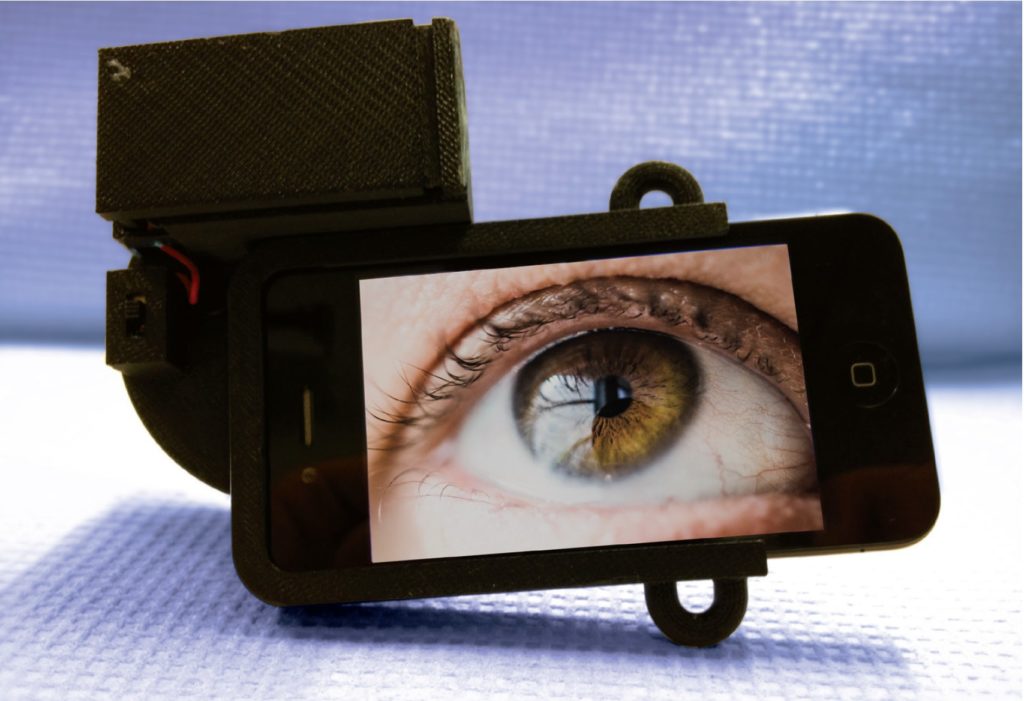
Mobile device displaying a close-up of a human eye.
Optical camera device, developed by a team including UCSF’s Tyson Kim, MD, PhD, and Jeremy Keenan, MD, MPH, attaches to a smartphone for easy, in-field data gathering.

In the city of Chiang Mai, Thailand, Francis I. Proctor Foundation’s Jeremy Keenan, MD, MPH, researched the use of telemedicine for diagnosing cytomegalovirus (CMV) retinitis, a potentially blinding complication from acquired immunodeficiency syndrome (AIDS). Because people are unlikely to see an ophthalmologist before vision loss has already begun to occur, CMV retinitis is often not caught at an early phase.

Telemedicine is now providing far more opportunities to save vision. Portable retinal cameras capture an image of a patient’s eyes and are sent electronically to remote retinal specialists to determine whether there is development of CMV retinitis. In Thailand, ophthalmologists and health care providers are a scarce resource, so being able to prioritize their time by having non-medical photographers assist with the detection process makes a huge impact. Additionally, this expands the number of individuals who can be screened since the photographer can easily travel to take the photos.


Ever Improving
Dr. Keenan is working with Daniel Fletcher, PhD, of UC Berkeley, and Todd Margolis, MD, PhD, of Washington University, to develop an attachment to convert a smartphone into a retinal camera and anterior segment camera, offering a cost-effective approach to screening in resource-limited settings. Masters students in the Berkeley bioengineering program have been vital to this project. Supporting more students to work with the team is the next step in the process of creating an improved telemedicine option.


A Broader Impact
The COVID-19 pandemic has highlighted the need for telemedicine like never before, and it is especially important in areas like Thailand, where medical resources can be sparse. As Dr. Keenan’s team is currently engaged in more hospital-based work, the goal is to include more community-based service. The addition of another retinal camera will allow for more diagnoses to be made while the handheld retinal camera is still in development.

With initial seed funding from That Man May See, the impact of research like Dr. Keenan’s has given a second chance at sight for those who might not have otherwise been diagnosed in time.


Looking Forward
Telemedicine makes it easier for patients to receive high-quality ophthalmic care regardless of their location. It also enables health care providers to offer services to broader, more diverse patient populations. The future will bring patient and provider closer together, no matter how far apart geographically.

Serving San Francisco’s Homeless


Help is Needed to Shift to Telehealth

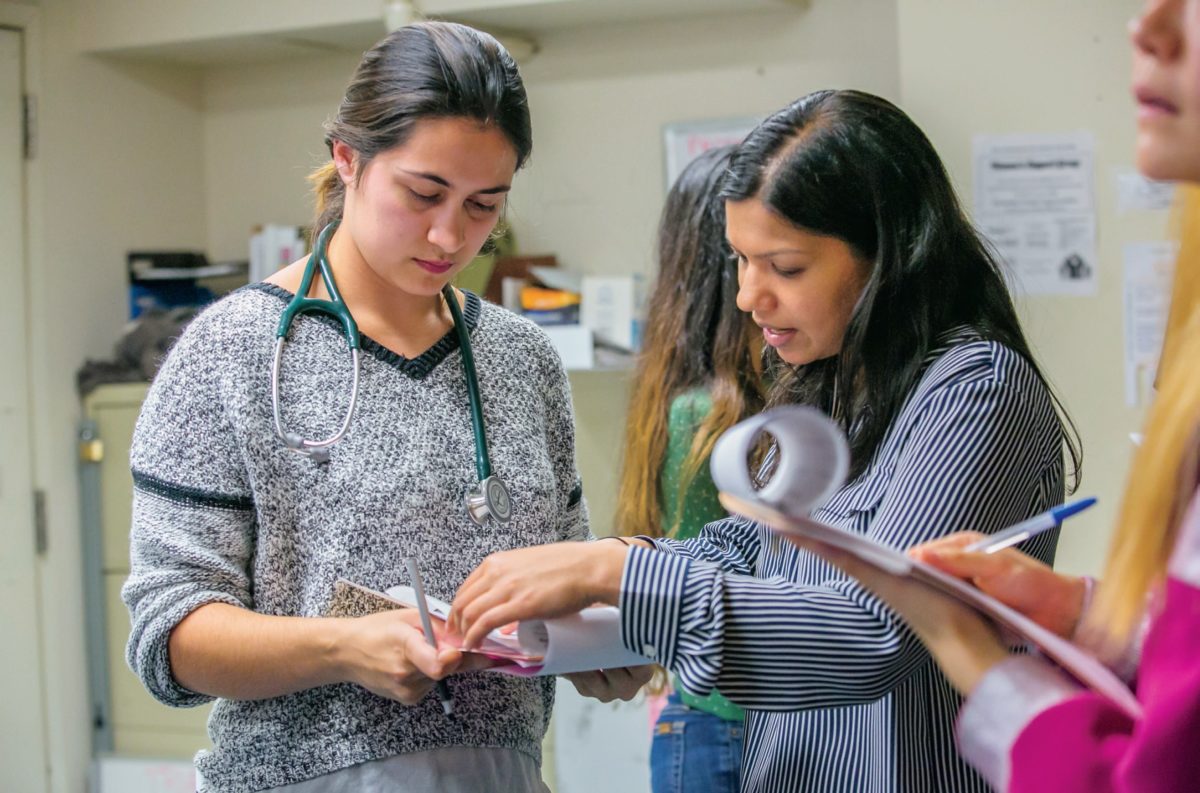
People without secure housing represent one of society’s most vulnerable populations. While the overall ocular health status and needs of the homeless are not fully understood, poor visual acuity has been correlated with reduced well-being and could pose cascading health implications. (Photo caption: Pre-COVID-19, Neeti Parikh, MD, (right) coordinates patient information with volunteer Sarah Menchaca.)

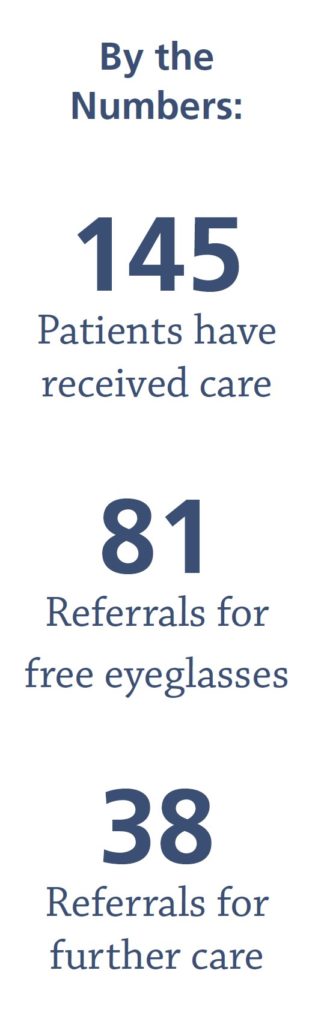
Numbers of patients and referrals listed.

Thanks to The California Endowment and That Man May See, UCSF Ophthalmology opened a monthly shelter clinic in 2017. With a volunteer staff of medical students and residents overseen by UCSF ophthalmology faculty, the program serves patients at San Francisco’s Multi-Service Center South and Division Circle Navigation Center homeless shelters.

Services range from ophthalmologic screening exams and follow-up care to free eyeglasses (through Project Homeless Connect).

“Unfortunately, the pandemic had a tremendous impact on clinic operations” said Alejandra de Alba Campomanes, MD, MPH, UCSF faculty lead for the clinic. “While our team has not been able to care for patients in-person since March, we are working with the San Francisco Department of Public Health nurses at the homeless shelters to begin telemedicine visits and streamline a referral process for shelter residents.”

To be able to provide needed telehealth services, the clinic is seeking a specialized camera designed to obtain detailed images of the eyes of patients with possible diabetic retinopathy, while also screening for other sight-threatening conditions. Funds are also needed for UCSF staff to develop a monitoring and training program. This program would provide basic training in eye examination for the public health nurses that have in-person access to this high-risk population. These efforts will help identify patients who warrant referral for advanced ophthalmologic care.


Help UCSF Ophthalmology shift to telehealth services to resume serving these patients: www.thatmanmaysee.org/donate

Increasing Eye Injuries during Social Justice Marches


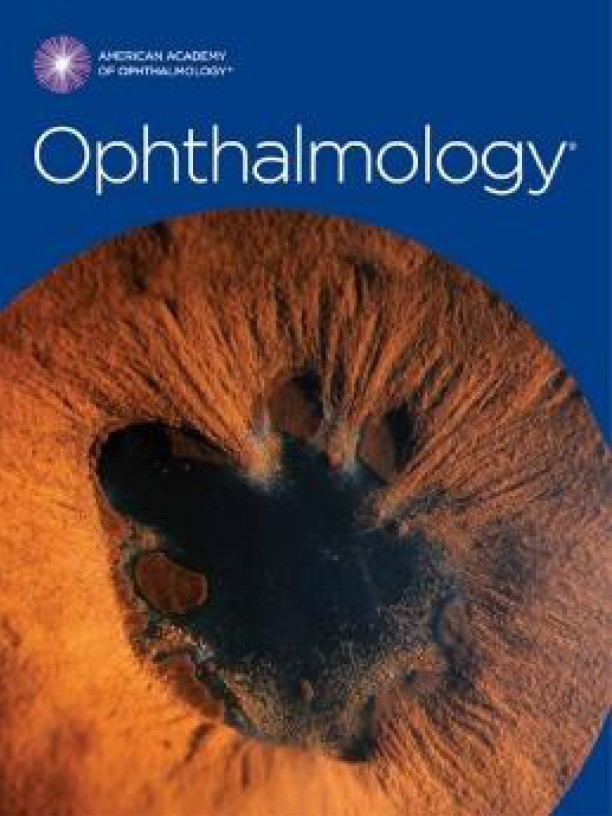
Close-up view of an eye structure.
October 2020 issue of the journal of the American Academy of Ophthalmology. www.aaojournal.org.

The upcoming issue of Ophthalmology, internationally recognized journal of the American Academy of Ophthalmology (AAO), will include a research article from specialists in the Department of Ophthalmology and Francis I. Proctor Foundation at UCSF including Julie Schallhorn, MD; Saras Ramanathan, MD; Julius Oatts, MD; Alejandra G. de Alba Campomanes MD; and Gerami  Seitzman, MD.

A collaborative project of UCSF faculty with the University of Southern California (USC) and the AAO, the article captures the scope of eye trauma related to civil protests and the use of force as dispersal techniques.

During protests in the United States in the late spring of 2020,law enforcement agencies across the country utilized tear gas, pepper spray, batons, shields, and rubber bullets. Concern has been raised by protestors, activists, and health care organizations over theuse of these devices, especially during peaceful protests. Rubber bullets have been associated with ocular trauma and subsequent vision loss.


Rubber bullets have been associated with ocular trauma and subsequent vision loss.


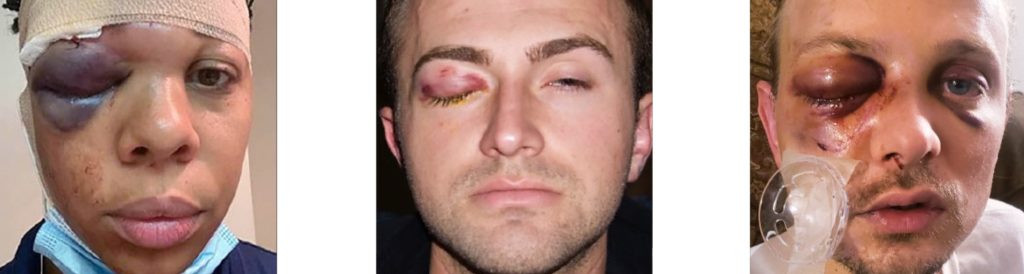
The study identified 30 cases of ocular injuries during the protests, with 27% suffering a ruptured globe, 23% with an orbital fracture, 20% with a resultant macular hole, and 33% with permanent blindness in the involved eye.

In one large review, 2.7% of those struck by rubber bullets subsequently died from their injuries, with 15.1% developing a permanent disability. Reports from the news media from Chile, Venezuela, Hong Kong, and the United States recount the loss of sight in one or both eyes due to rubber bullets used against both protestors and journalists.

Three individuals showing varying degrees of facial swelling and bruising around the eyes.
From left to right: LaToya Ratlieff, 34, Fractured skull and orbital bones; Adam Keup, 23, Vision-threatening bleeding; Russell Strong, 35, Lost an eye


New to Amazon Prime

Eyes of Amhara

Battling Blindness in East Africa
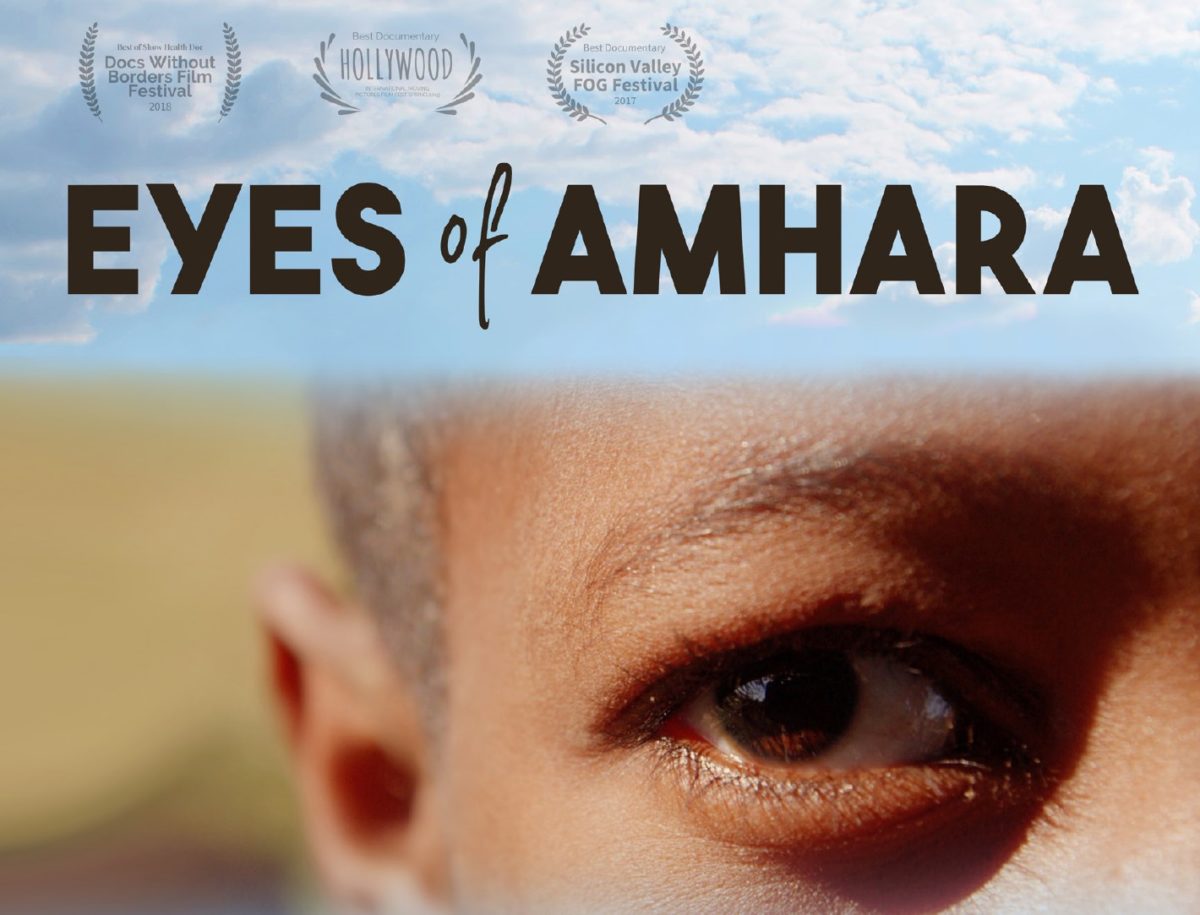
Acclaimed film producer and director Neil Riha’s Eyes of Amhara, a 2020 documentary recently released on Amazon Prime Video, explores the history of a potentially blinding bacterial infection called trachoma. The film follows doctors Jeremy Keenan, MD, MPH; Michael Seider, MD; Sun Cotter, MPH; Nicole Stroller, MPH; and Tom Lietman, MD, from the Francis I. Proctor Foundation and Orbis International (an international non-profit, non-governmental organization dedicated to saving sight) as they fight to eliminate trachoma in East Africa. A “disease of poverty,” trachoma can have devastating effects, not only on those afflicted, but their families as well.

Journeying from San Francisco to rural Ethiopia, the brilliant medical knowledge and heartfelt care of these doctors brings unexpected results to light as they strive to positively impact not only individual lives, but the world at large.


A moving documentary about doctors battling blindness in East Africa

Traditional huts with thatched roofs in a rural landscape.


Eyes of Amhara was funded through generous donations to That Man May See. You can help Director Riha finish a sequel, A Vision of the Mountains, featuring Proctor’s work in the foothills of the Himalayas, by making a donation today: www.thatmanmaysee.org/donate


Watch the documentary on Amazon Prime Video:
www.amazon.com/Eyes-Amhara-Dr-Tom-Lietman/dp/B08BJZS8W5

Learn more about the film:
www.eyesofamhara.com

ALS, Dementia, Glaucoma: A Genetic Link


Erik M. Ullian, PhD, is a UCSF neurobiologist and principal investigator seeking to understand the genetic mechanisms underlying neurodegenerative diseases (the degeneration or death of nerve cells, causing debilitating conditions).

Dr. Ullian first became interested in this area through studies indicating a mysterious genetic link connecting a specific group of genes to both glaucoma and the neurodegenerative diseases of amyotrophic lateral sclerosis (ALS) and frontotemporal dementia (FTD). Strangely, some cases showed the loss of function of a specific gene is implicated in ALS but the gain of function of the same gene is implicated in glaucoma. This suggests that the genes may have different relative functional roles in some cell types, or that some cell types have different sensitivities to the functions of these genes.

Utilizing novel Clustered Regularly Interspaced Short Palindromic Repeats (CRISPR) approaches, Dr. Ullian seeks to understand how this group of genes function in both the central nervous system and in the retina – and why their dysfunction can lead to cell death. Understanding this could unravel the mystery of these genetic cell-type susceptibilities that can lead to either ALS or glaucoma or, in some cases, both.

In addition, Dr. Ullian has developed complex 3D models showing a remarkable ability to reproduce many of the hallmarks of neurodegeneration currently missing from animal models. The hope is to use these models as a platform for drug screening, finding new therapeutic strategies to target disease. This approach is attracting the attention of industry, inspiring speedy drug discovery to bona fide treatments.