Faculty News

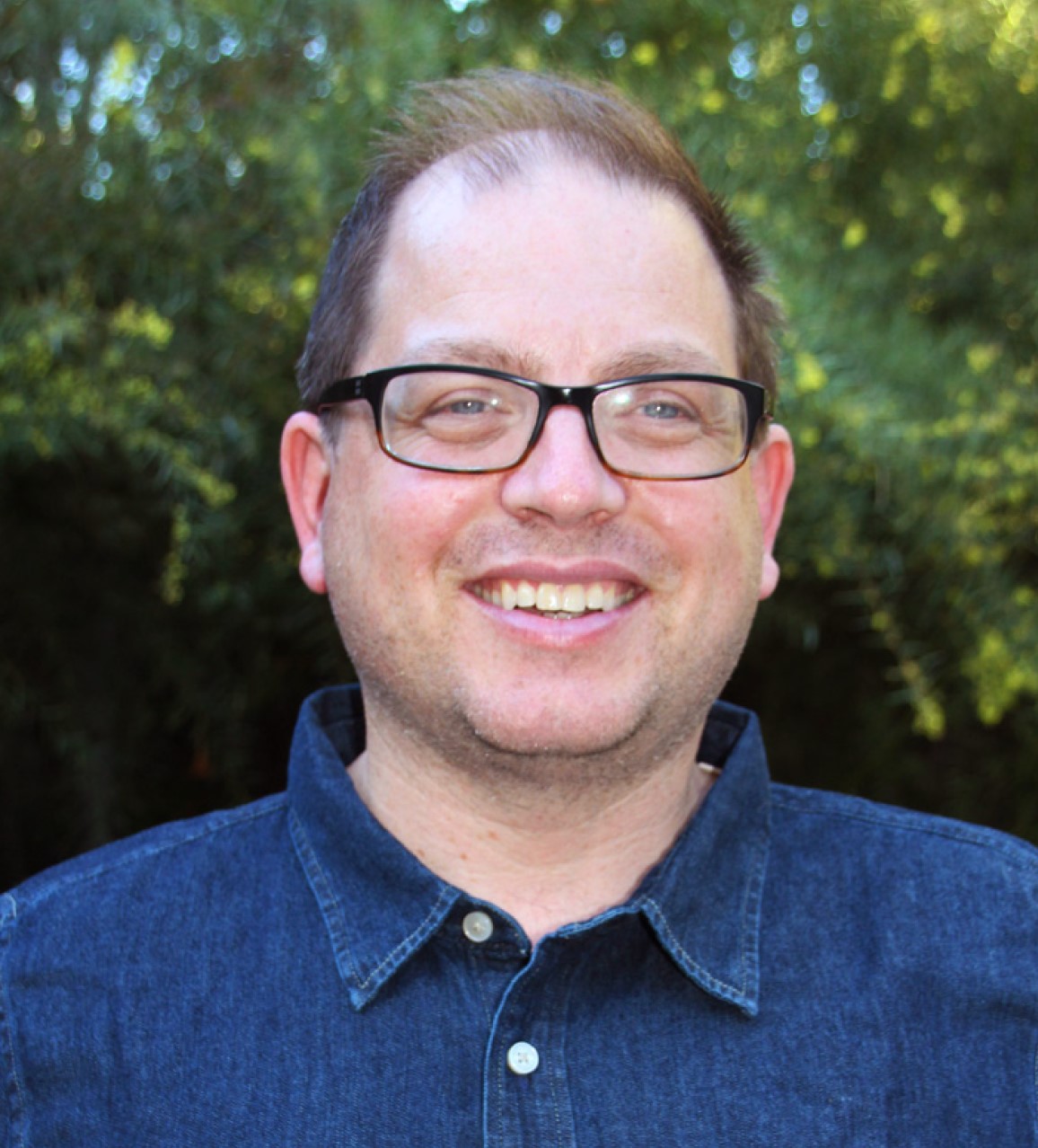
Dr. Seth Blumberg, MD, joins UCSF’s Francis I. Proctor Foundation as a computational epidemiologist. He provides patient care to hospitalized patients at UCSF Medical Center as an internist specializing in infectious disease.

Fellowships: New York University (infectious diseases), Proctor Foundation (forecasting trachoma control), National Institutes of Health (research and policy for infectious disease dynamics)
Residency: St. Mary’s Medical Center, San Francisco
MD, PhD: University of Michigan, Ann Arbor (PhD in Biophysics)
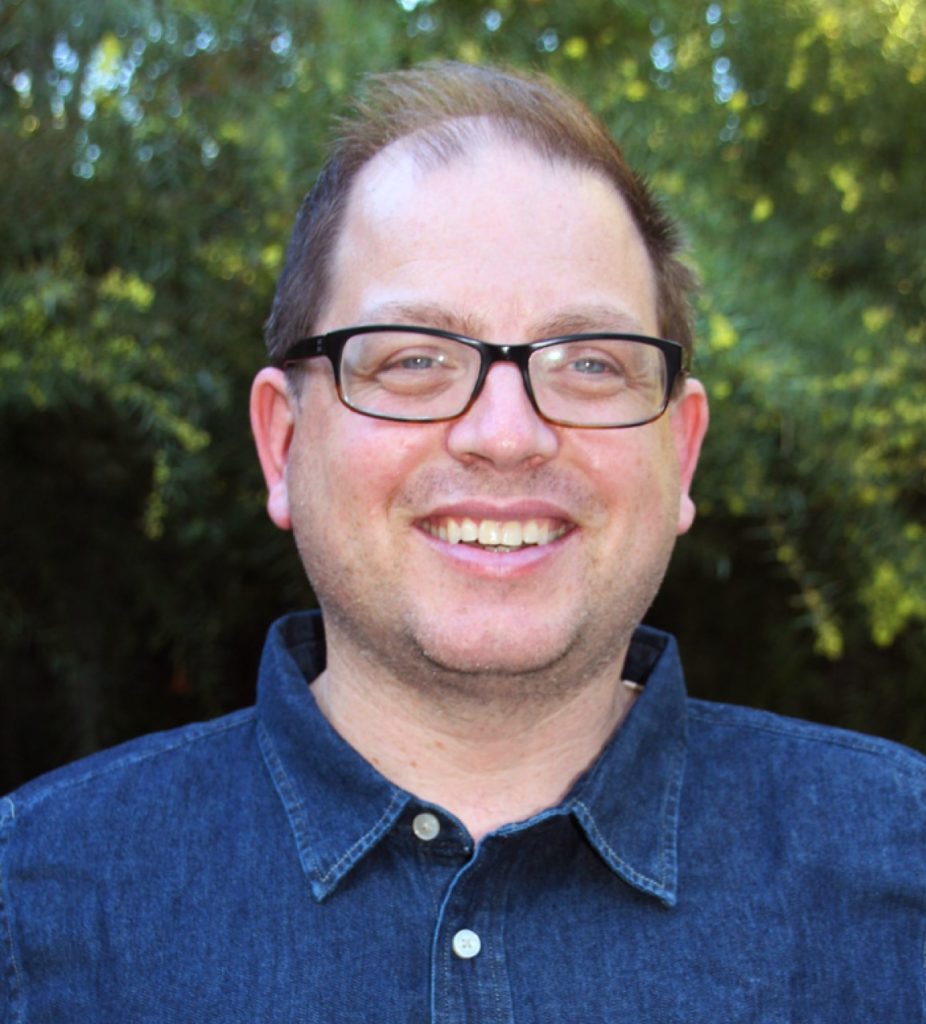
 

Smiling man in a denim shirt outdoors.How did Hodgkin’s disease shape your career? I was a classic “Caltech nerd,” pursuing math and physics, when I was diagnosed with cancer. Fortunately, my treatment was effective, and I got a second chance at life. Becoming a clinician and medical researcher became my way of giving back.

How do your skills strengthen the Proctor Foundation’s capacity to improve public health and protect sight? My training and experience in mathematical modeling, infectious disease dynamics, and biophysics complements rich existing knowledge and skills. An interdisciplinary approach allows our research team to tackle complex public health questions to address ongoing spread of preventable diseases, including blindness caused by trachoma.

How is Proctor providing leadership on the threat of antimicrobial-resistant infections? The Centers for Disease Control (CDC) funds our investigation of antimicrobial resistance in the United States. Ironically, the antibiotics we use to treat serious infections can also increase the risk of deadly infections from Newsresistant bacteria. Our research aims to figure out how to treat infections without unintended consequences. We hope to build on this research and study patterns of resistance in low- and middle-income nations.

How has COVID-19 altered your research? In June 2020, the CDC reached out to Proctor, requesting that we immediately begin analyzing COVID data from US hospitals to help decrease transmission and improve outcomes. To reduce the rapid spread inside California prisons, I volunteered as an epidemiological modeler with AMEND, a university-based prison health consortium.

What did you gain in your RAPIDD Fellowship at the National Institutes of Health Fogarty Center? RAPIDD stands for Research and Policy for Infectious Disease Dynamics. I collaborated with outstanding leaders who advanced the field of mathematical modeling of epidemiologic data to understand, forecast, and mitigate the transmission potential of emerging diseases. This methodology helps guide governmental and international health policy – to manage novel disease threats and save lives.
Advancing through Mentorship

Just Getting Started: $2.5 Million for Mentorships

UCSF Ophthalmology’s outstanding vision and clinician scientists have a tremendous track record of developing leading-edge research programs that attract hypercompetitive grants from the National Institutes of Health (NIH). This sustained funding enables new discoveries

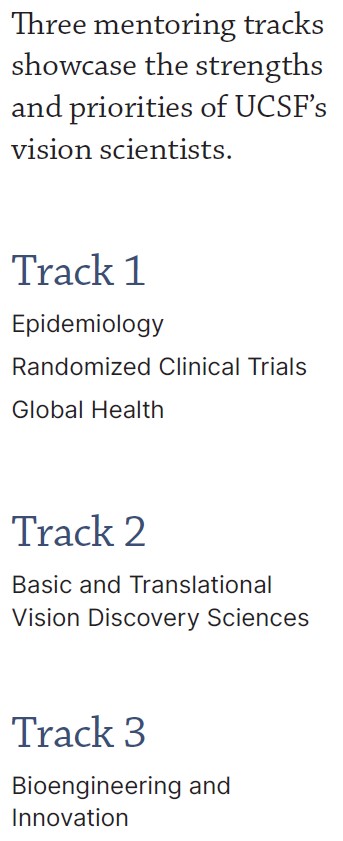
Three mentoring tracks showcase the strengths and priorities of UCSF’s vision scientists.The UCSF-Proctor Clinician Vision Scholars K12 Program is a $2.5 million, five-year grant from the National Eye Institute (NEI), one of 27 institutes and centers that comprise the US National Institutes of Health. This grant provides institutional funding to train as many as ten young faculty members to achieve this same level of success. Co-led by Yvonne Ou, MD, and Tom Lietman, MD – both NEI grant awardees – the program builds on existing strengths and collaborations in clinical and translational sciences, bioengineering, and career development in the UCSF Proctor Foundation and Department of Ophthalmology.
New patient-serving faculty members with a passion for research can undertake a one-year intensive mentorship, each supported by a primary mentor and a faculty advisory committee. Immersion in rigorous state-of-the-art vision research is supplemented with guidance for crafting important and novel questions while developing techniques to answer them, aspects of leadership, the value of multidisciplinary and collaborative approaches, and writing effective grant proposals.

This mentorship opportunity makes UCSF Ophthalmology an even more attractive place for top clinical research candidates to launch their faculty careers. As younger vision scientists develop and take charge of significant new research programs, the future of vision grows brighter – at UCSF and around the world.


Reducing Sight Loss from Diabetes

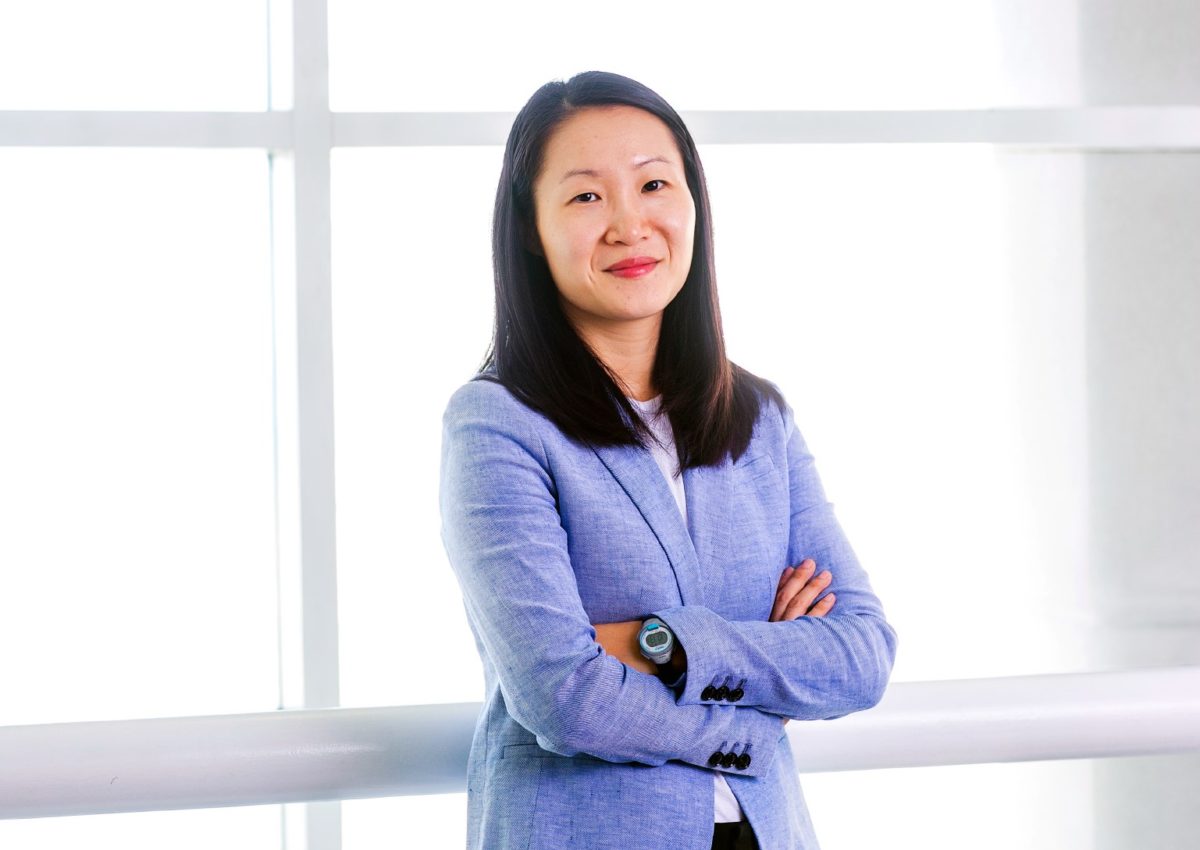
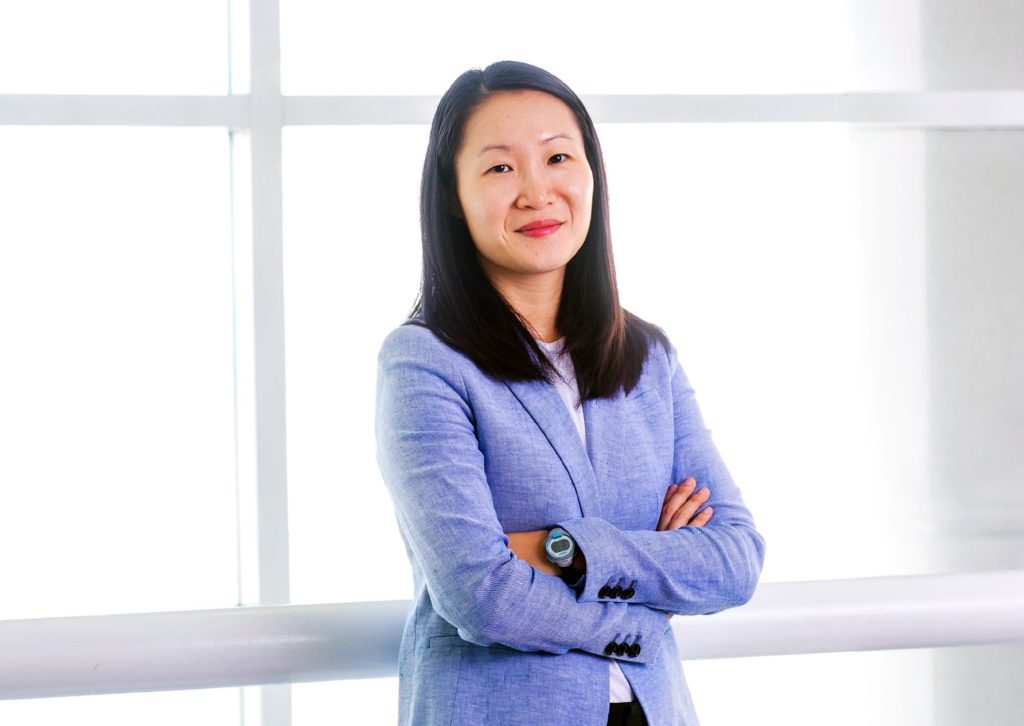
Cathy Sun, MD, the first scholar to benefit from an NEI K12 mentorship, has been awarded an NIH grant for independent research of diabetic retinopathy.

A woman smiling with arms crossed in a bright office.
Cathy Sun, MD, investigates diabetic retinopathy.

Joining UCSF Ophthalmology’s faculty in 2019, Dr. Sun’s grant will allow her to investigate the rising global health threat of Type 2 diabetes, where blurred vision is often the first noticeable symptom. Advanced diabetic eye disease, called proliferative diabetic retinopathy, can result in permanent sight loss.

Dr. Sun and her team develop and test novel methods and tools for analyzing large databases of de-identified electronic health care records of patients treated for this condition. The team’s findings and insights can be used to adjust treatment protocols, halting the disorder before it advances and reducing sight loss. They expect to improve strategies for electronic records investigations that can be used to improve outcomes for other damaging eye conditions as well.

Dr. Sun earned her medical degree and completed a residency in ophthalmology at UCSF. She completed a fellowship in glaucoma at Bascom Palmer Eye Institute and received a merit award fellowship from the prestigious Heed Ophthalmic Foundation.

Life Under Pandemic Drives Eye Injuries

UCSF Ophthalmology residents are on the front line at Zuckerberg San Francisco General Hospital and Trauma Center, where the evolving COVID pandemic and attendant social upheaval present new health challenges. During these tough times, residents are working to preserve and save sight for the city’s most vulnerable people.

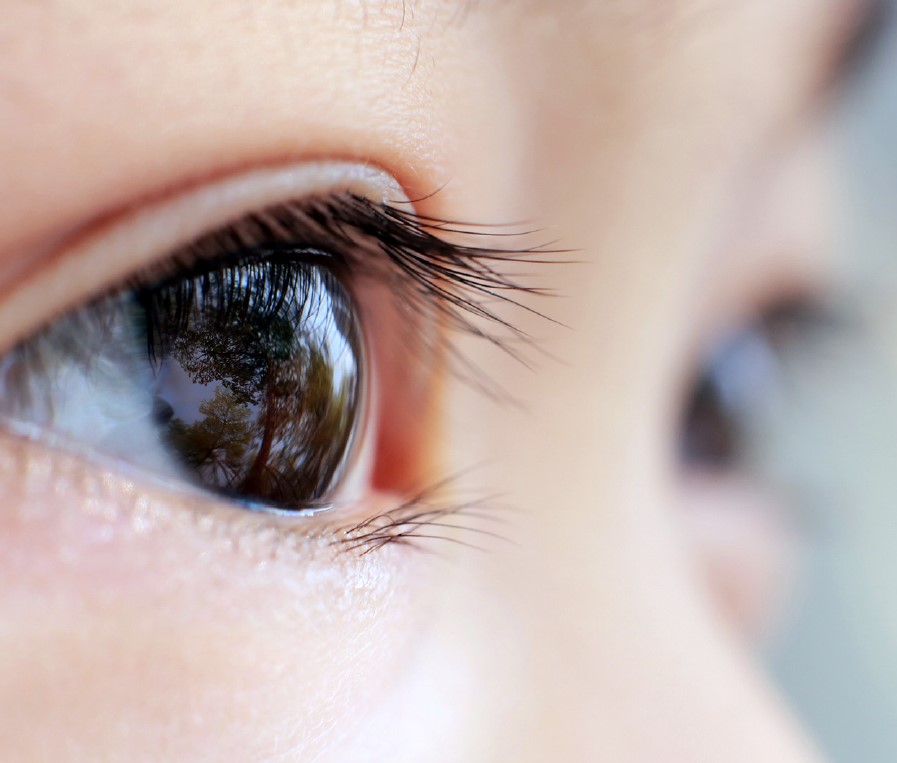
Close-up of a child's eye reflecting trees.Children Injured by Sanitizer

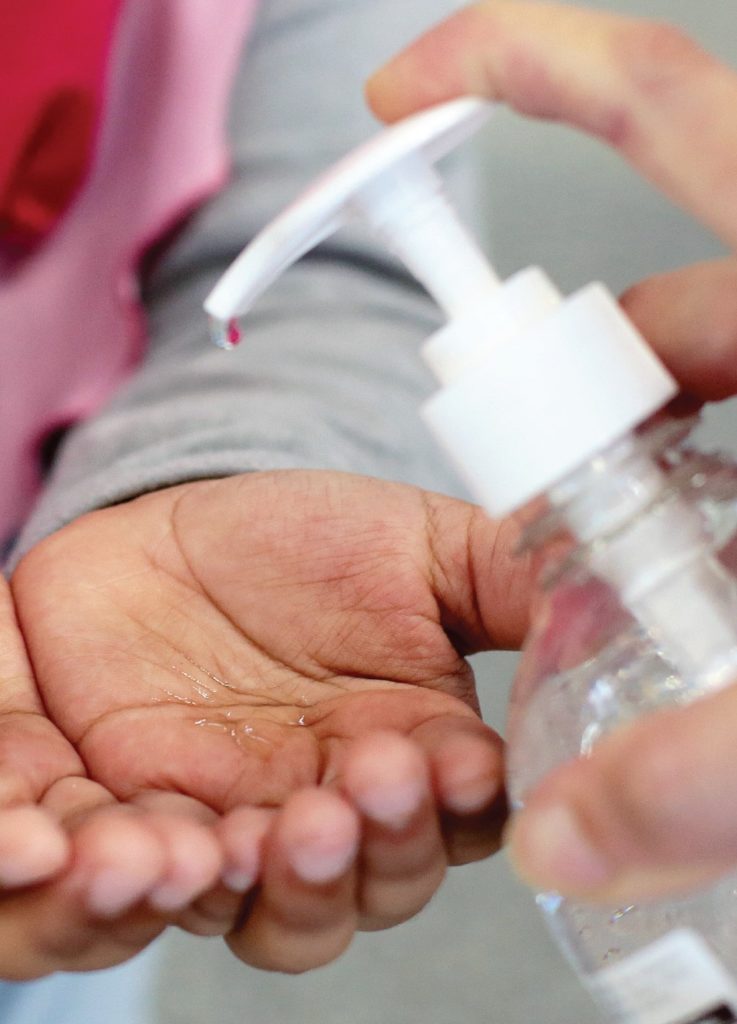
Resident Lawrence Chan, MD, reports incidents of young children experiencing eye injuries from splashed or squirted hand sanitizers. Available everywhere to reduce COVID transmission, the alcohol base of these cleaners is toxic to the eye. Irritation, painful burns, or even ulcers on the cornea can result from direct contact.

Fortunately, corneal tissue can regenerate from superficial burns, allowing the eye to regain clear sight. Dr. Chan recommends keeping dispensers away from children’s eye level and watching out for automatic dispensers in public places. Adults, especially health care workers who must use sanitizer very frequently, must also be careful to avoid touching the eyes after sanitizing their hands.


Hand receiving liquid from a pump bottle.Anti-Asian Attacks

Hate-fueled attacks on Asian Americans have escalated nationally during the pandemic. The eye is particularly vulnerable to damage. This year, resident Lauren Hennein, MD, along with Dr. Chan, have treated Asian Americans struck in the face or fired on with a gun.

“We must all voice support for our Asian American neighbors,” says Alejandra de Alba Campomanes, MD, Department Vice Chair for Diversity, Equity, and Inclusion. “This institution believes that the best defense against hate, intolerance, and ignorance is care, compassion, and empathy.”

More Than Meets the Eye

Colorful neurons with cell nuclei in a microscopy image.
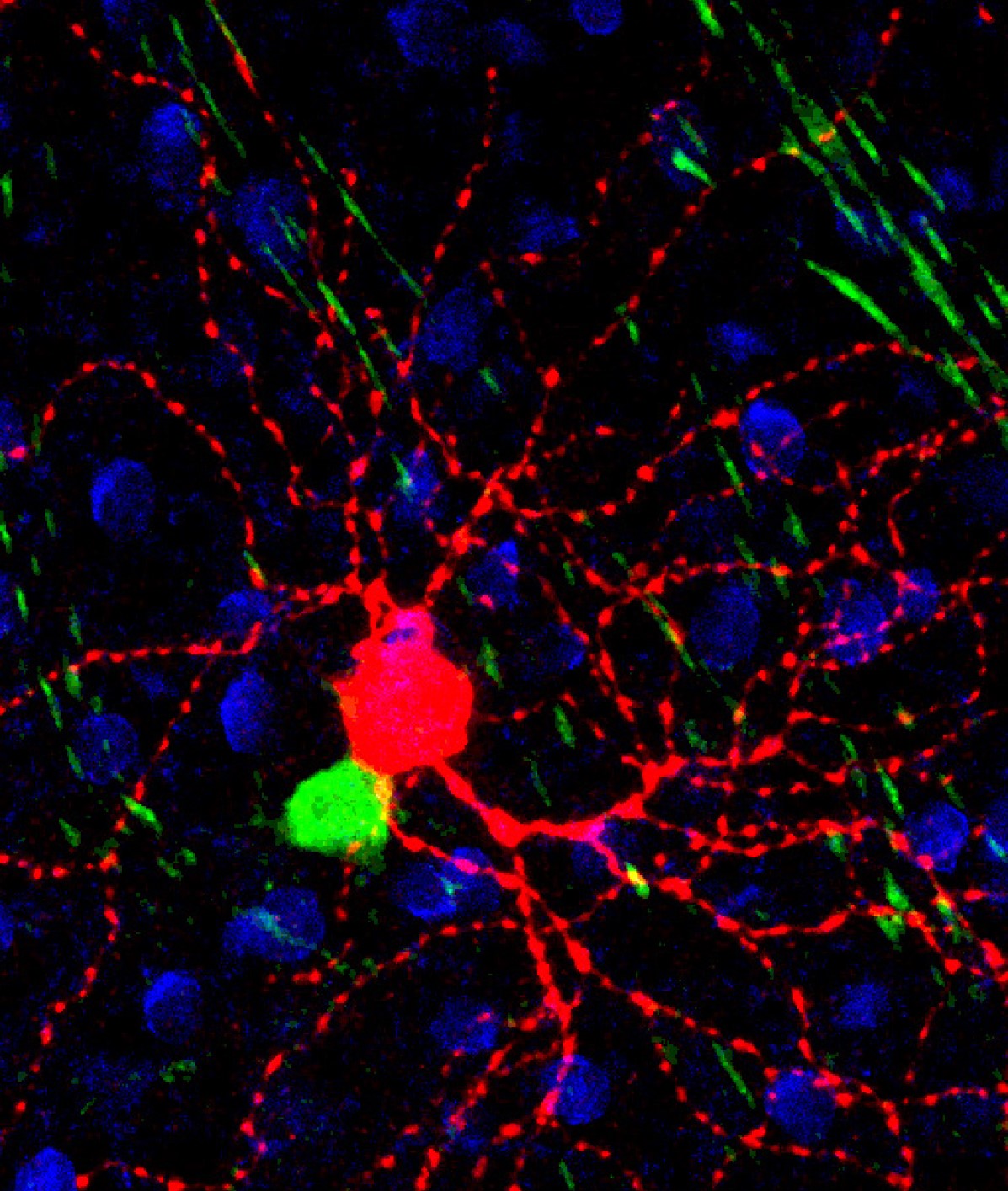
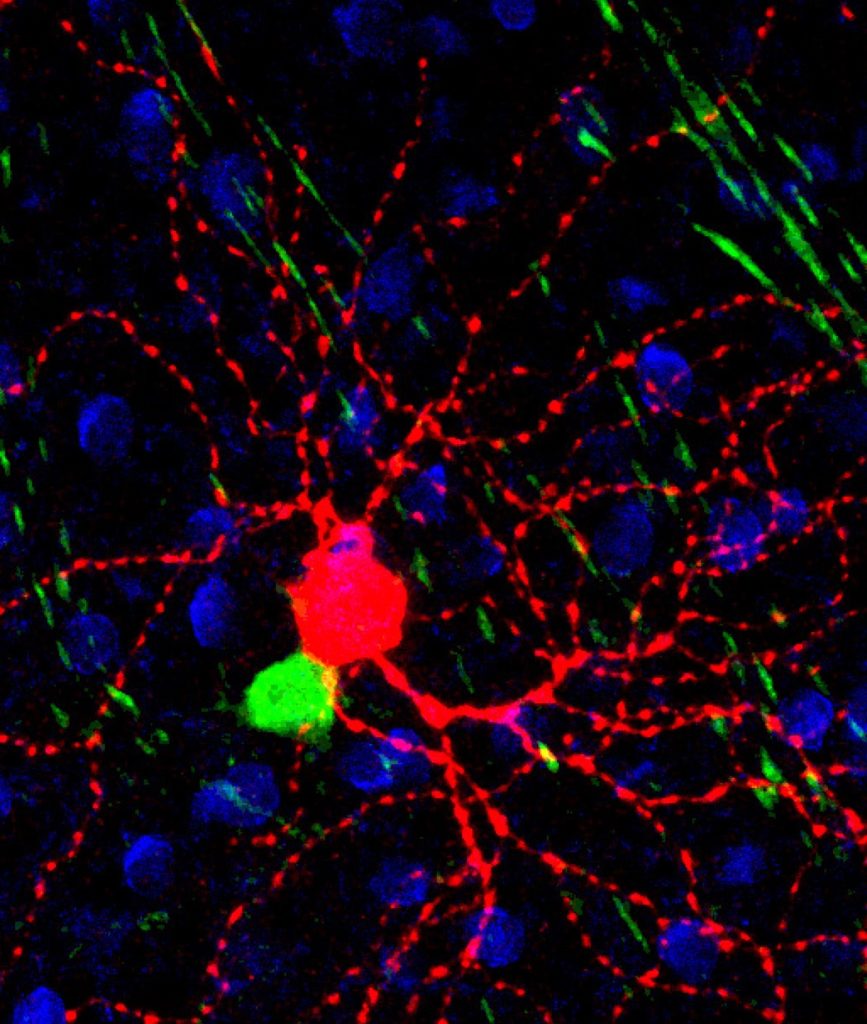
Microscopic image of ganglion cells in a mouse retina, a valuable research tool.

Early Detection of Cognitive Diseases

Principal investigator (PI), Xin Duan, PhD, and his team, which includes both co-PI Erik Ullian, PhD, and Kongyan Wu, PhD, seek to address a vital problem in neurodegeneration: how can nerve-damaging diseases be identified earlier to prevent more extensive damage?

Conceptually, Dr. Duan’s team aims to use the retina to establish a way to identify early signs of disease. Instead of simply focusing on the cell biology of degenerating neurons, this team of leading-edge investigators propose to investigate the problem by taking a larger view of the neural circuits within the eye and its component parts.

“There is increasing evidence that the visual system is involved in most neurogenerative diseases and thus could provide a novel early diagnostic inroad to common diseases such as Alzheimer’s and frontotemporal degeneration (FTD)/amyotrophic lateral sclerosis (ALS),” Dr. Ullian contributed. “Furthermore, we can map circuit function with unprecedented precision in the visual system, so it will undoubtedly give us greater insight into specific mechanisms of neuronal and circuit dysfunction in these diseases.”

Visual circuits – the neural networks that give us sight – offer great advantages for analyzing general neural circuits as they are highly accessible with well-characterized synaptic contacts and functional properties. Moreover, the retina and the visual pathways have recently been shown to be easily observable clinically.

Dr. Duan reasons that neural circuit studies represent a major advancement in the analysis of neurodegeneration-related changes.

Dr. Duan’s studies in visual circuits will shed light on other neural circuits across the central nervous system and may lead to early detection of Alzheimer’s disease in patients. They are investigating potential synergies in neurodegenerative disease research, including both glaucoma and Alzheimer’s. Dr. Duan and his team aim to establish a way to detect disease onset, evaluate its progression, and establish a platform to discover dysfunctional neural circuits – with the ultimate goal of preventing neurodegeneration and restoring circuit functions.

Fading Senses Turned Her into a Fighter

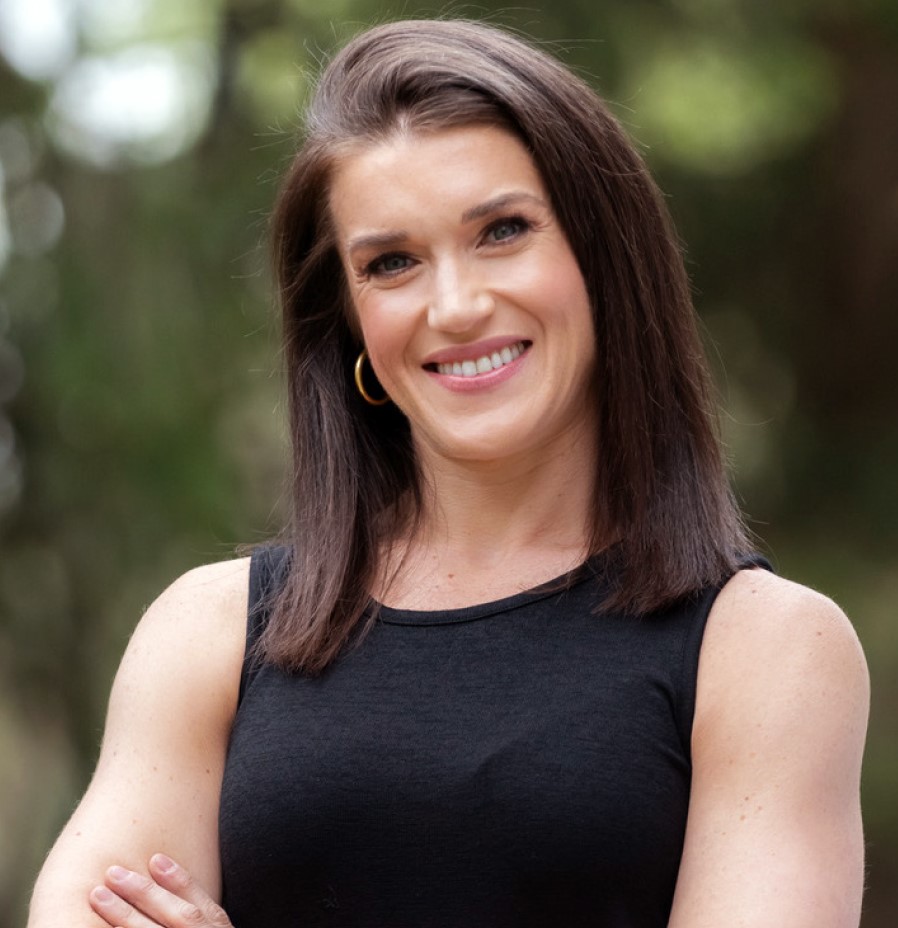
Although nearly both blind and deaf, Rebecca Alexander is an inspiration to us all. She is an author, psychotherapist, group fitness instructor, disability rights advocate, and extreme athlete.

Woman smiling with arms crossed outdoors.
Rebecca Alexander was born and raised in the San Francisco Bay Area. She currently resides in New York City where she has a thriving private psychotherapy practice. Her brother is NBC Chief White House correspondent Peter Alexander.

A patient of UCSF ophthalmologist, Jacque Duncan, MD, Rebecca was born with Usher syndrome type 3A, a rare genetic disorder which has caused progressive loss of both her sight and hearing since she was a teenager. Despite these unfathomable challenges, Rebecca maintains her drive for life, rising above and beyond every challenge she faces.

In 1996, young Rebecca was selected to be an Olympic torchbearer in the nationwide relay prior to the Atlanta Games because of her ability to face adversity with grace and courage. Since then, her extraordinary accomplishments have included summiting Mt. Kilimanjaro, participating in the 600-mile San Francisco to Los Angeles AIDS Lifecycle ride, swimming from Alcatraz to shore in the San Francisco Bay for That Man May See’s Swim for Sight, skydiving, bungee jumping, and regularly competing in events for extreme athletes.

Sharing her story to help others face their own challenges, Rebecca presented for TEDx Cape May What’s the Story? She has been widely featured on such shows as The Today Show, NBC Nightly News, Morning Joe, The Dr. Oz Show, ABC News, NBC News, and PBS Radio. She has also been featured in The New York Times, The Boston Globe, The Boston Herald, The New York Post, USA Today, Huffington Post, Fitness, Shape, Women’s Health, Marie Claire, and Cosmopolitan.

Her book, Not Fade Away: A Memoir of Senses Lost and Found, tells the 42-year-old author’s story of courage and motivation from starting to lose sight and hearing as a child, to a shattering fall from a window at 18, to her triumph over these physical, psychological, and philosophical obstacles. Her inspiring story is now the subject of a forthcoming Netflix feature film from Annapurna Pictures, produced by John Krasinski and David O. Russell.

Over the years, Rebecca has won a number of awards, including a Helen Keller Achievement Award from the American Foundation for the Blind, the Foundation Fighting Blindness Hope and Spirit Award, and the Future Visions Foundation’s Luminary Award to name a few.

An Eye for the Arts

Illustration of a woman with red hair and glasses, against a colorful background.
Digital illustration by Sean Choate, depicting Ellie’s experience.

Ellie Stokes faced a uniquely challenging time during the COVID-19 pandemic lockdowns, but found artistic creativity to be the perfect outlet.

In May 2020, Ellie was diagnosed by her doctor, neuro–ophthalmologist Nailyn Rasool, MD, with a rare form of double vision due to an artery compressing her sixth cranial nerve.

One treatment for her double vision was using prism glasses. These glasses are specialized, refracting light before it enters the eyes so that the light falls in the same spot on both retinas, creating a single image.

Since being prescribed prism glasses, Ellie has done very well. “I just love Dr. Rasool,” she said. “She’s been so wonderful and the whole staff at UCSF are incredibly supportive and welcoming.”

Ellie, a songwriter, has been working on an album that reflects on her experience and, as part of her inspiration, commissioned her friend Sean Choate to create the above illustration. “That’s what it felt like, two eyes under the glasses lens,” Ellie said.

Ellie is looking forward to releasing her album, possibly by the end of this year.

Pediatric Pals

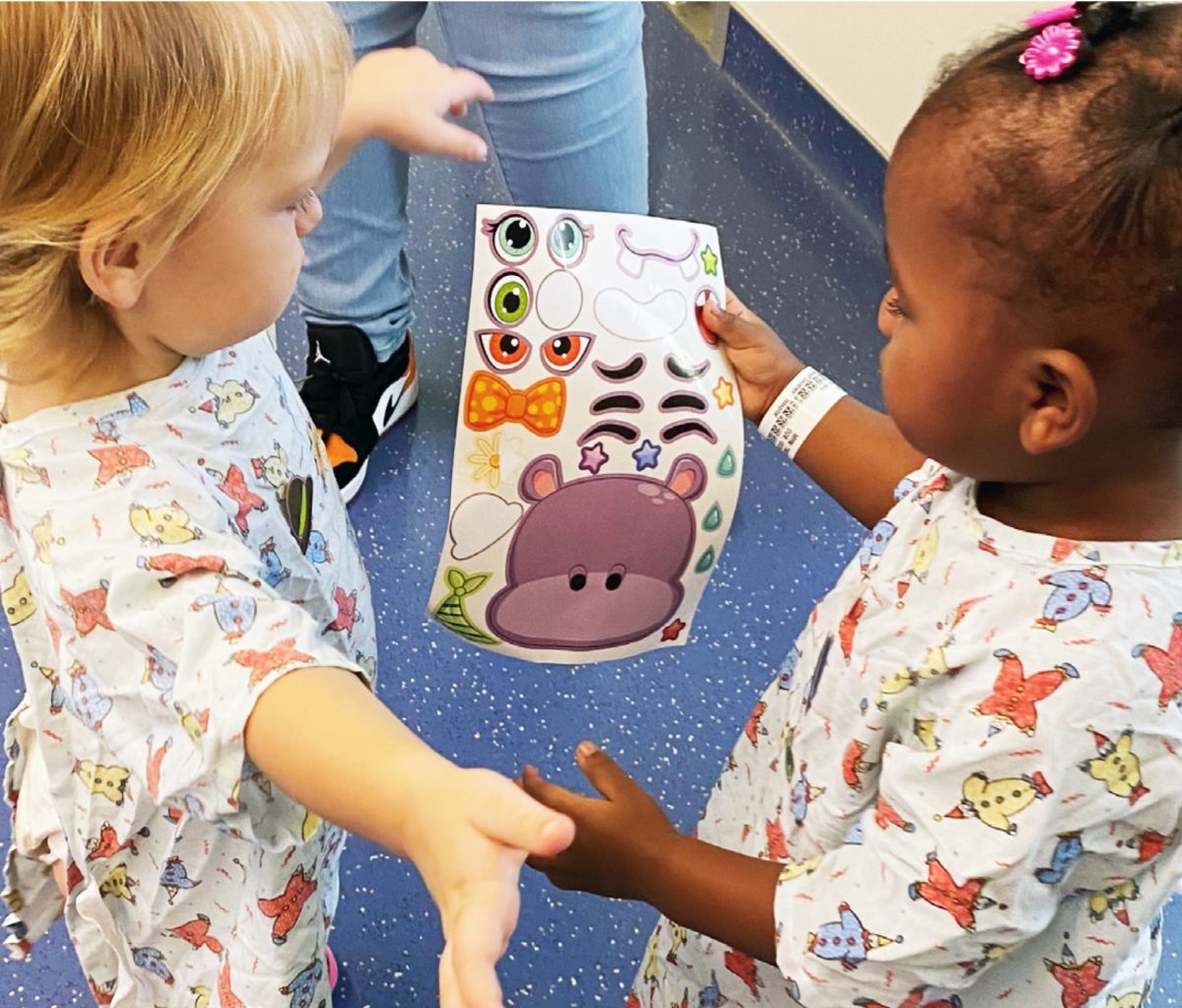
Recently, while young Mackenzie Fredeen was waiting for treatment, she met another toddler, Akira Pierre, going through a very similar experience.

We first met Mackenzie last year, when her parents generously requested charitable gifts to That Man May See for vision research at University of California, San Francisco in lieu of first birthday presents for their daughter. Mackenzie was diagnosed with retinoblastoma (eye cancer) at just three-and-a-half-months old.

Two young girls smiling, playing on a slide.
Akira (left) and Mackenzie (right): pals and patients.

Fortunately, she found compassionate care at UCSF through specialist Armin Afshar, MD, MBA and his colleague, nurse Leanne Parsons, MS. Pediatric ophthalmology at UCSF strives to make small patients, courageously facing monumental challenges, feel like family while they are in treatment. “The combination of leading-edge expertise and humanitarian patient care for these child warriors is what makes Dr. Afshar’s team so successful. We are forever grateful,” according to Jordanna Howard, Mackenzie’s mother.

As only children can, Mackenzie and Akira made an instant connection. At the time, Akira was bravely undergoing treatment in ocular oncology – and the two girls immediately bonded, holding hands and playing together. Mackenzie and Akira have both since been deemed cancer-free. Their parents are grateful to Dr. Afshar for his unmatched care. Mackenzie and Akira found joy and hope in one another, and inspire all of us here at That Man May See.