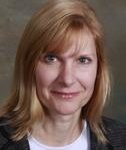
David Hwang, MD

Professor


Cornea, Ocular Infectious Disease and Surgical Techniques

A native of Illinois, USA, David G. Hwang, MD, FACS, joined the full-time faculty at the University of California, San Francisco, where he is currently Professor and Vice Chair and holds the Pearl T. Kimura and Samuel J. Kimura MD Endowed Chair in Ophthalmology. He serves as Director of the Cornea Service, Director of the Refractive Surgery Service, and Associate of the Francis I. Proctor Foundation for Research in Ophthalmology at UCSF. Clinical research interests: development of new surgical techniques in corneal, refractive, and cataract surgery; clinical trials in cornea and ocular infectious disease. Scientific research interests: cellular transplantation and gene therapy for corneal endothelial disease; ocular infectious disease, including epidemiology and mechanisms of antimicrobial resistance in ophthalmology


To Learn More:

https://profiles.ucsf.edu/david.hwang


Research Areas:

Cornea, Gene Therapy, Infectious Diseases
 
Learn more about UCSF Ophthalmology faculty research.
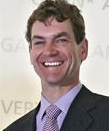
John Gonzales, MD

Associate Professor


Diagnosis and Management of Infectious and Non-Infectious Inflammatory Eye Conditions

Dr. Gonzales's interest involves the diagnosis and management of infectious and non-infectious inflammatory conditions of the eyes (uveitis). Many ocular inflammatory diseases are part of a systemic disorder and require a complete review of one’s health, personalized treatment, and close monitoring. Working as a team with a patient’s rheumatologist, internist, pediatrician, or other subspecialists ensure that his patients receive optimum care.


To Learn More:

https://profiles.ucsf.edu/john.gonzales


Research Areas:

Dry Eye, Infectious Diseases, Uveitis
 
Learn more about UCSF Ophthalmology faculty research.
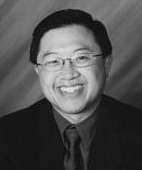
Thuy Doan, MD, PhD

Associate Professor


Ocular Infection and Inflammation, Microbiomes, and Antimicrobial Resistance

The Doan lab is a metagenomic epidemiology laboratory at the Proctor Foundation that takes innovative approaches to understand how the various human microbiomes (ocular, gut, and upper respiratory tract) respond to clinically relevant perturbations in randomized controlled trials. Specifically, we seek to identify mechanisms by which mass drug distribution to preschool children in Sub-Saharan countries leads to an improvement in childhood mortality. Concurrently, we carefully track antibiotic resistance in these communities to better inform public health policies.
 
In addition to our molecular epidemiology work, we focus on using genomic technologies to efficiently identify causes of ocular infections (e.g. uveitis, conjunctivitis, corneal ulcers, and scleritis) with the goal of improving patient care and preventing blindness.


To Learn More:

https://profiles.ucsf.edu/thuy.doan
https://doanlab.ucsf.edu/
https://proctor.ucsf.edu/Proctor-Lab


Research Areas:

Conjunctivitis, Cornea, Infectious Diseases, Inflammatory Eye Disease, Uveitis
 
Learn more about UCSF Ophthalmology faculty research.
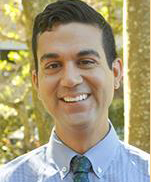
Armin Afshar, MD, MBA, MAS

Assistant Professor
 

Treatment of Eye Tumors and Disorders of the Retina and Vitreous


Dr. Armin Afshar is a vitreoretinal surgeon and ocular oncologist on the UCSF faculty, with an academic career blending clinical practice, research, teaching and administration. He serves as the Director of the Ocular Oncology Service at UCSF and the Director of Tele Ophthalmology for the San Francisco Department of Public Health. His research program is funded by the National Eye Institute at the National Institutes of Health (NIH), Research to Prevent Blindness, and That Man May See.

Dr. Afshar’s specialty is in the treatment of eye tumors and disorders of the retina and vitreous. In addition to expertise in retinal diseases and surgery, he has special training and experience in the management of ocular surface tumors of the conjunctiva and cornea, as well as intra-ocular tumors involving the iris, ciliary body, choroid, retina, vitreous and optic nerves.


To Learn More:

https://profiles.ucsf.edu/armin.afshar


Research Areas:

Deep Learning / AI, Ocular Oncology, Retina or Retinal Diseases
 
 
Learn more about UCSF Ophthalmology faculty research.
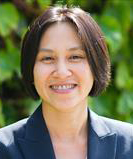
Dan Schwartz, MD

Professor


Devices and Technologies that Address Unmet Needs in Ophthalmology

Dr. Schwartz, Professor of Ophthalmology and Director of the Retina service, is a vitreoretinal surgeon whose research has focused on the development devices and technologies that address unmet needs in ophthalmology. In collaboration with Caltech, he co-invented and helped develop a light-adjustable intraocular lens material that can be used to calibrate residual refractive error after cataract surgery (FDA approvedin 2017) He also co-invented and helped develop OCT angiography as a non-invasive and superior alternative to fluorescein angiography. Current work includes the development of light adjustable materials that can be used to modify scleral biomechanics so as to retard myopia development. Dr. Schwartz has mentored many medical students, residents, and fellows, and has provided research mentorship to over 18 postdoctoral fellows.


To Learn More:

https://profiles.ucsf.edu/dan.schwartz


Research Areas:

Retina or Retinal Diseases, Macular Degeneration, Myopia
 
Learn more about UCSF Ophthalmology faculty research.
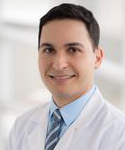
Ying Han, MD, PhD

Professor


Novel Microfluidic Meshworks for Use in Glaucoma Drainage Implants

Dr. Han, Professor of Ophthalmology, Co-Director of the Glaucoma service, and Glaucoma Fellowship Director, is a glaucoma specialist whose research addresses the need for improved and fibrosis-free surgical implants for glaucoma. In collaboration with bioengineers and material sciences, she leads NIH-funded work developing novel microfluidic meshworks for use in glaucoma drainage implants. In addition, she has organized a multicenter international RCT to examine the role of intra- and postoperative mitomycin-C for use with Ahmed glaucoma valves. Other projects include integrated wireless microactuators for fibrosis control in glaucoma drainage devices and microfluidic contact lens sensors for intraocular pressure monitoring.


To Learn More:

https://profiles.ucsf.edu/ying.han


Research Areas:

Glaucoma
 
Learn more about UCSF Ophthalmology faculty research.
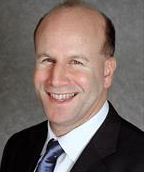
Bob Bhisitkul, MD, PhD

Professor


Age-Related Macular Degeneration Treatment and New Retinal Therapies

Dr. Bhisitkul, Professor of Ophthalmology and Director of the Retina Fellowship, is a vitreoretinal specialist who in collaboration with UCSF’s bioengineering group has developed a novel thin-film drug delivery system that can produce long term zero order kinetics through regulating pore sizes at nanoscale. This is now being tested <em>in vivo</em> for delivery of anti-VEGF agents. In addition to his bioengineering projects, he directed the SEVEN-UP cohort study of long-term outcomes in age-related macular degeneration treatment and is an investigator in major clinical trials of new retinal therapies. As Director of the Retina Fellowship, Dr. Bhisitkul has mentored many clinical fellows as well as research fellows. Scholars interested in ocular drug delivery and clinical trials will be interested in the Bhisitkul lab.


To Learn More:

https://profiles.ucsf.edu/bob.bhisitkul


Research Areas:

Macular Degeneration, Retina or Retinal Diseases
 
 
Learn more about UCSF Ophthalmology faculty research.