
The National Eye Institute (NEI) within the National Institutes of Health (NIH) seeks to support the costs of high quality vision research with a goal of improving quality of life and eliminating loss of vision. UCSF Ophthalmology and Proctor Foundation are extremely proud and thankful to be one of the top NEI funded vision research groups in the nation. See more details of our NEI-funded vision research here.
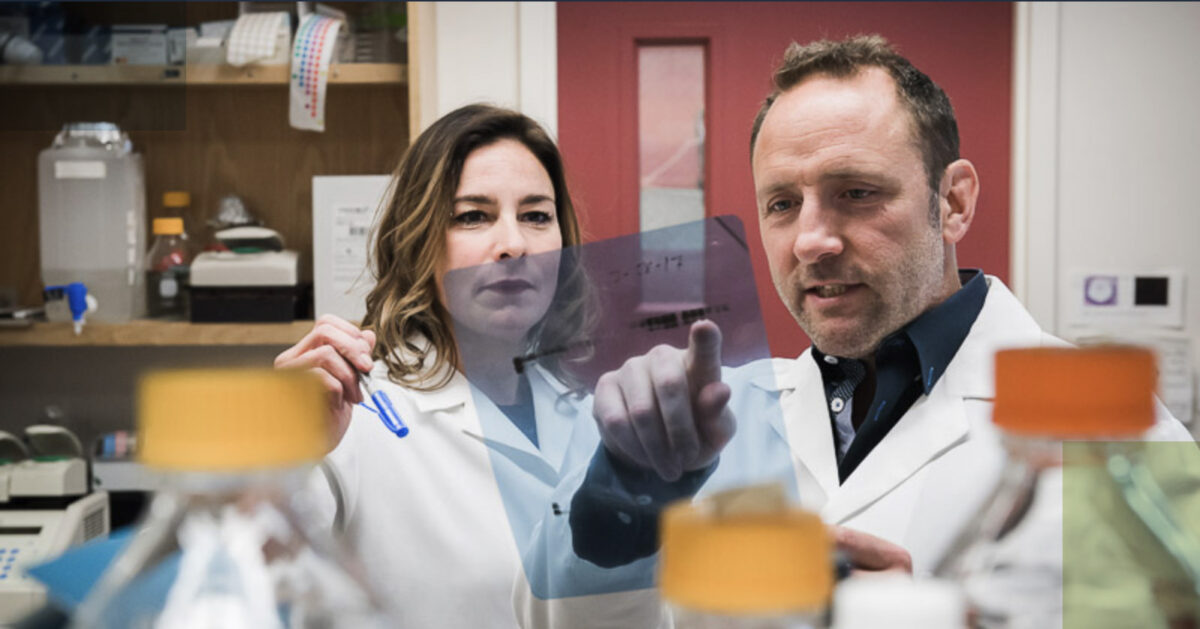




 Development of an injectable biopolymer device for sustained intravitreal delivery of carbonic anhydrase inhibitor for the treatment of juvenile X-linked retinoschisis.
 Juvenile X-linked retinoschisis (XLRS) is an inherited retinal disorder (IRD) that predominantly affects boys and men, arising in early childhood with potential blindness by their teens or adulthood. While there are few medication options for IRDs, XLRS responds well to carbonic anhydrase inhibitor (CAI) treatment. Treatment with eye drops has been effective but is unable to fully penetrate the eye and dependent on patient application. This project aims to develop a minimally invasive injectable device to provide CAI therapy for 6–12 months, offering a better treatment approach.

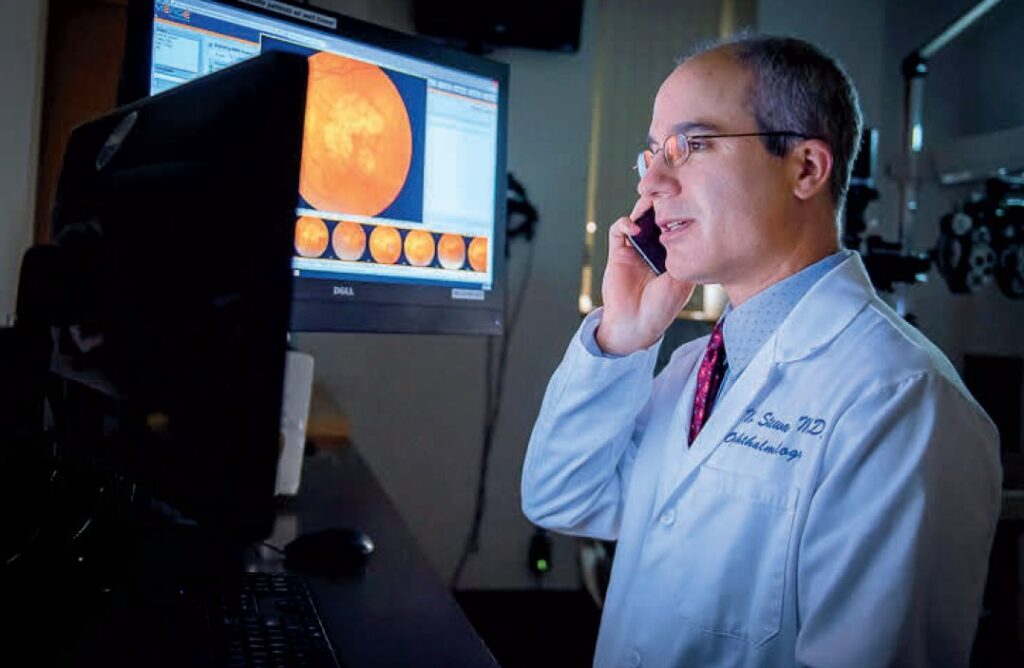
 Deep learning system to predict 5-year risk of high myopia using fundus imaging in a North American population of children.
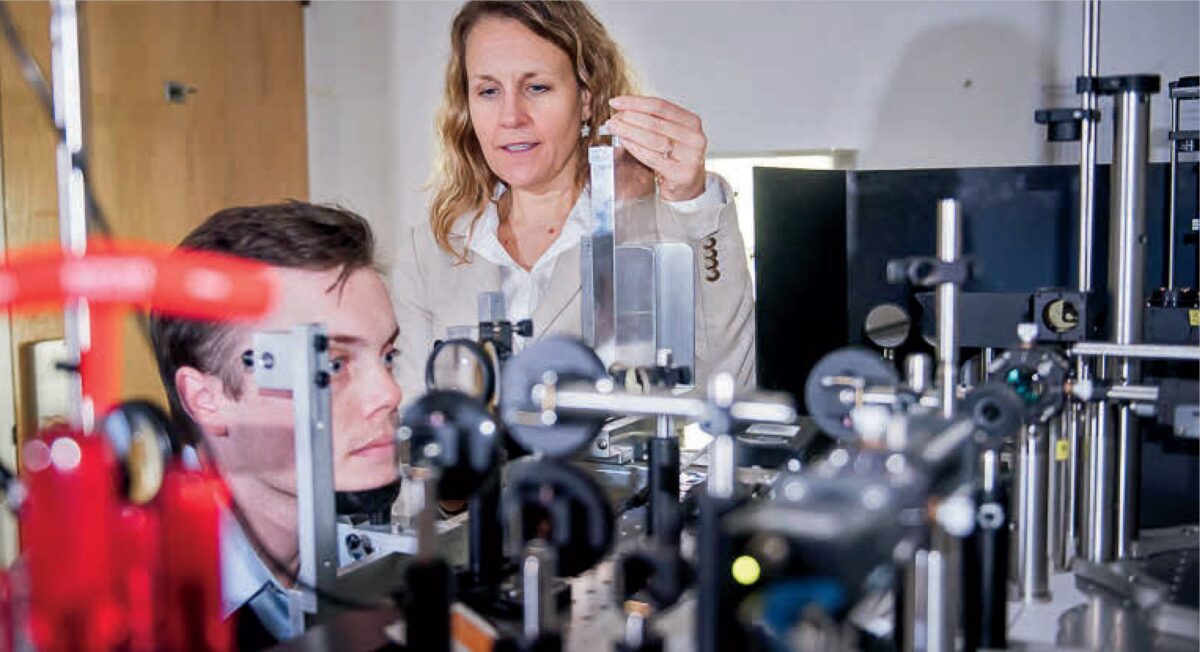
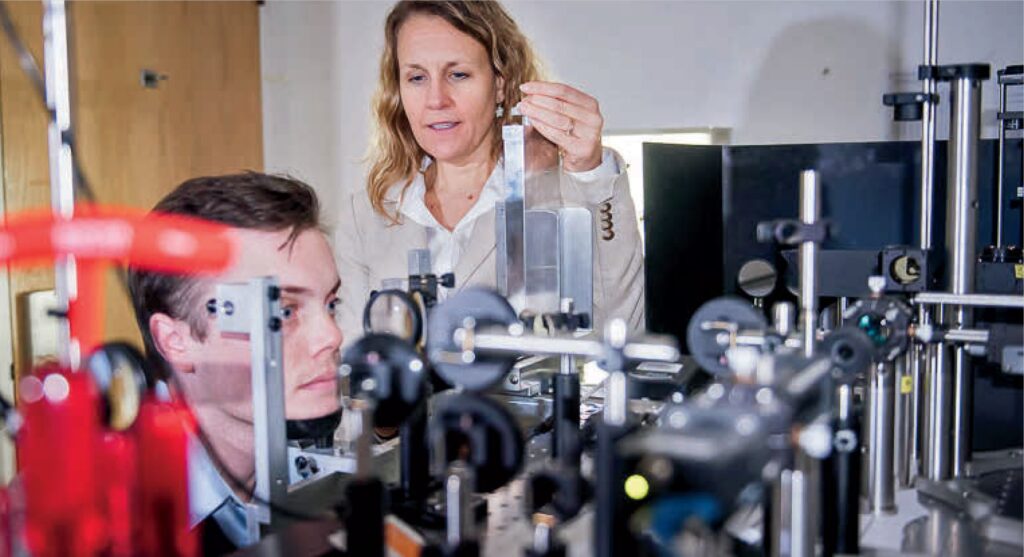
 Multiphoton Aqueous Flowmetry and Image-Guided Laser Therapy: Novel Approaches for Glaucoma Precision Medicine.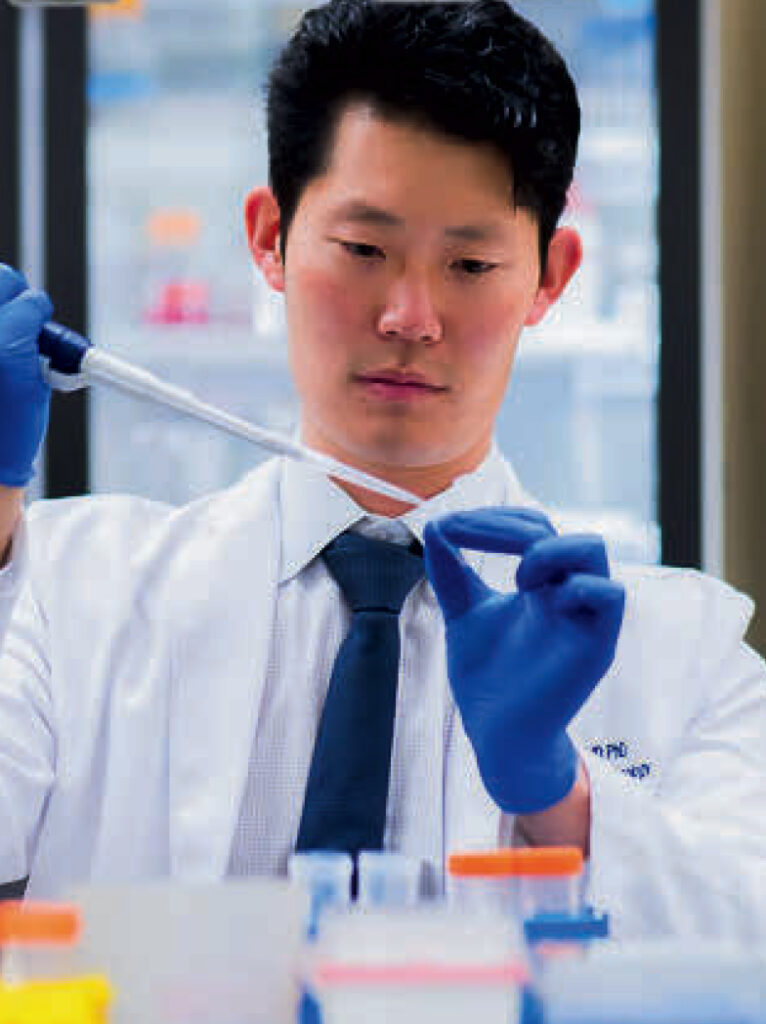

 Project Title: Elucidating Mechanisms of Visual Pathway Damage in Alzheimer’s Disease
 Project Title: Mechanisms of Retinal Degeneration in Alzheimer’s Disease-Related Dementias
 Project Title: Enabling Direct Correlation of Choroidal Blood Flow and Retinal Degeneration at the Single Vessel Level and Over Time Using Transscleral Multiphoton Microscopy
 Project Title: Transcutaneous Orbicularis Oculi Stimulation for Temporary Eyelid Closure