Increasing Eye Injuries during Social Justice Marches


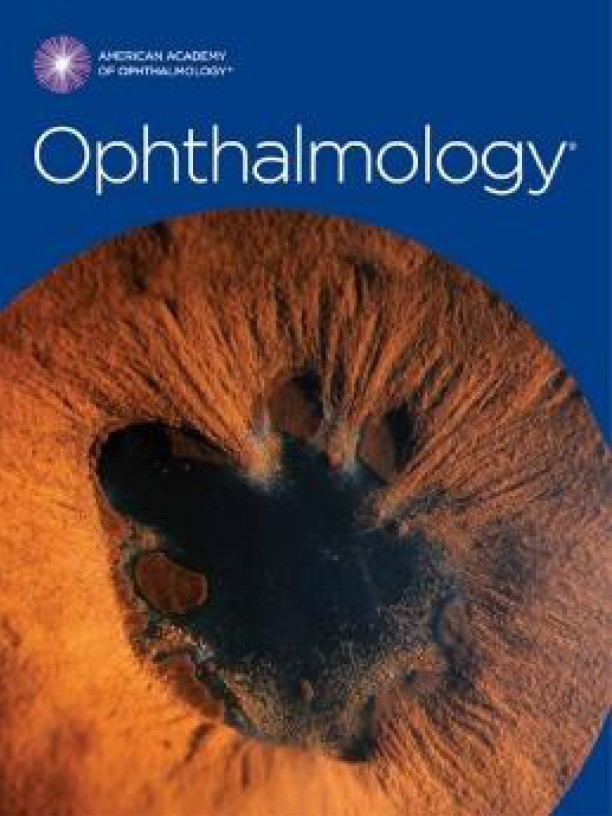
Close-up view of an eye structure.
October 2020 issue of the journal of the American Academy of Ophthalmology. www.aaojournal.org.

The upcoming issue of Ophthalmology, internationally recognized journal of the American Academy of Ophthalmology (AAO), will include a research article from specialists in the Department of Ophthalmology and Francis I. Proctor Foundation at UCSF including Julie Schallhorn, MD; Saras Ramanathan, MD; Julius Oatts, MD; Alejandra G. de Alba Campomanes MD; and Gerami  Seitzman, MD.

A collaborative project of UCSF faculty with the University of Southern California (USC) and the AAO, the article captures the scope of eye trauma related to civil protests and the use of force as dispersal techniques.

During protests in the United States in the late spring of 2020,law enforcement agencies across the country utilized tear gas, pepper spray, batons, shields, and rubber bullets. Concern has been raised by protestors, activists, and health care organizations over theuse of these devices, especially during peaceful protests. Rubber bullets have been associated with ocular trauma and subsequent vision loss.


Rubber bullets have been associated with ocular trauma and subsequent vision loss.


The study identified 30 cases of ocular injuries during the protests, with 27% suffering a ruptured globe, 23% with an orbital fracture, 20% with a resultant macular hole, and 33% with permanent blindness in the involved eye.

In one large review, 2.7% of those struck by rubber bullets subsequently died from their injuries, with 15.1% developing a permanent disability. Reports from the news media from Chile, Venezuela, Hong Kong, and the United States recount the loss of sight in one or both eyes due to rubber bullets used against both protestors and journalists.

Three individuals showing varying degrees of facial swelling and bruising around the eyes.
From left to right: LaToya Ratlieff, 34, Fractured skull and orbital bones; Adam Keup, 23, Vision-threatening bleeding; Russell Strong, 35, Lost an eye


New to Amazon Prime

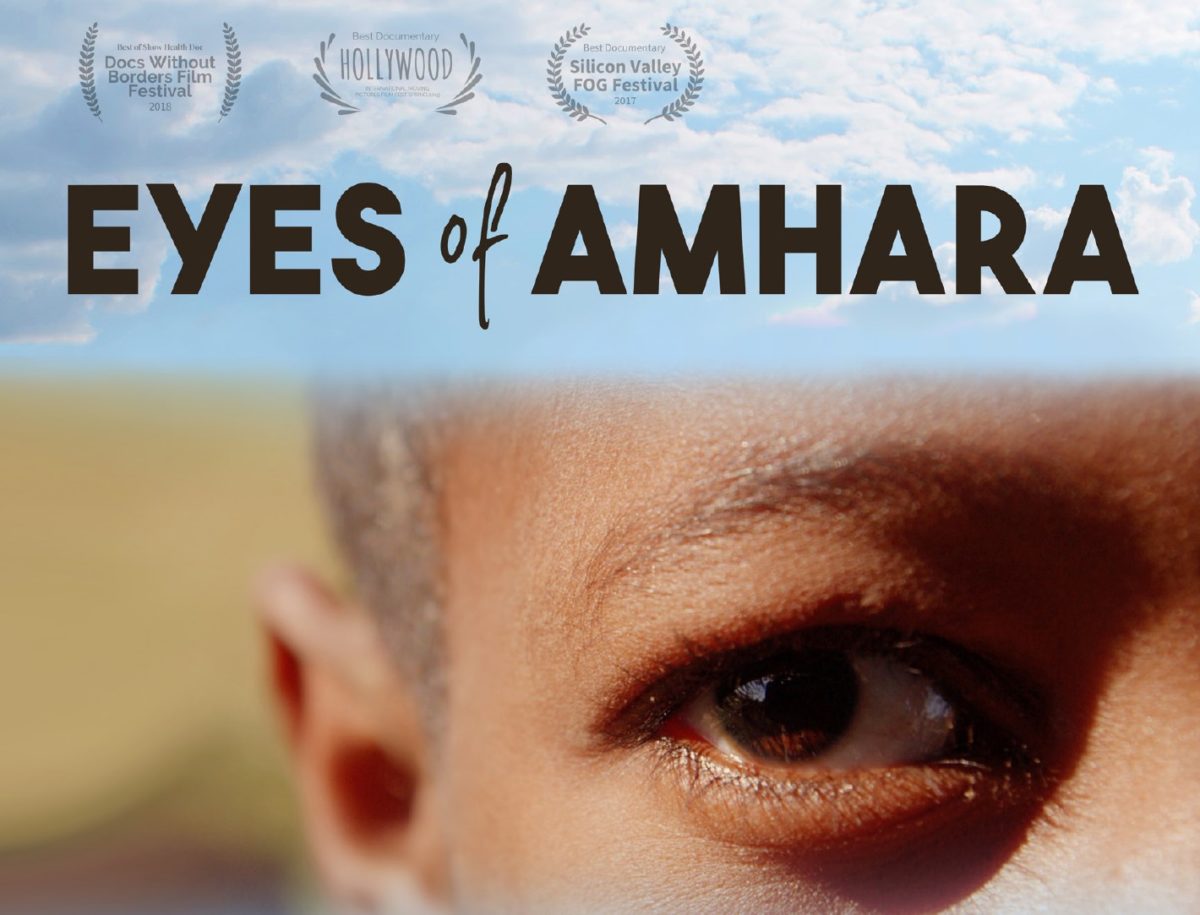
Eyes of Amhara

Battling Blindness in East Africa
Acclaimed film producer and director Neil Riha’s Eyes of Amhara, a 2020 documentary recently released on Amazon Prime Video, explores the history of a potentially blinding bacterial infection called trachoma. The film follows doctors Jeremy Keenan, MD, MPH; Michael Seider, MD; Sun Cotter, MPH; Nicole Stroller, MPH; and Tom Lietman, MD, from the Francis I. Proctor Foundation and Orbis International (an international non-profit, non-governmental organization dedicated to saving sight) as they fight to eliminate trachoma in East Africa. A “disease of poverty,” trachoma can have devastating effects, not only on those afflicted, but their families as well.

Journeying from San Francisco to rural Ethiopia, the brilliant medical knowledge and heartfelt care of these doctors brings unexpected results to light as they strive to positively impact not only individual lives, but the world at large.


A moving documentary about doctors battling blindness in East Africa

Traditional huts with thatched roofs in a rural landscape.


Eyes of Amhara was funded through generous donations to That Man May See. You can help Director Riha finish a sequel, A Vision of the Mountains, featuring Proctor’s work in the foothills of the Himalayas, by making a donation today: www.thatmanmaysee.org/donate


Watch the documentary on Amazon Prime Video:
www.amazon.com/Eyes-Amhara-Dr-Tom-Lietman/dp/B08BJZS8W5

Learn more about the film:
www.eyesofamhara.com

Alumni Highlight: David F. Chang, MD


A man in a suit with a tie, smiling against a blue background.World-Renowned Cataract Surgeon

UCSF ophthalmology alumnus David F. Chang, MD, has one of the most recognizable names in cataract surgery, thanks to scores of lectures and peer-reviewed papers. He is the recipient of some of the most prestigious international awards in his field. Dr. Chang is one of the few Americans to receive the European Society of Cataract and Refractive Surgery’s Ridley Medal, as well as being voted by the international readership of The Ophthalmologist as one of the five most influential ophthalmologists in the world. However, he believes one of his most important professional legacies will be his commitment to resident education at UCSF.

Upon graduating from Harvard Medical School, Dr. Chang was attracted to the UCSF residency program because of its academic excellence and the priority given to resident training. He attributes his professional success to that training and mentorship from both the full-time and volunteer clinical faculty.

However, his proudest achievement is in giving back to the department throughout his 36 years in private practice, his way of honoring the “pay it forward” tradition of volunteer clinical faculty in ophthalmology at UCSF. Most recently, Dr. Chang is inspiring future generations of ophthalmologists with his generous lead philanthropic contributions to resident education through two endowed lectureships, as well as a dedicated resident teaching space in the new Wayne and Gladys Valley Center for Vision at Mission Bay.

His contributions to resident education have been recognized with the highest clinical faculty honor given by the UCSF School of Medicine: The Charlotte Baer Memorial award for distinguished service by volunteer faculty. This award has been bestowed upon an ophthalmologist only two other times since its inception 41 years ago.

Top-Tier Rankings in 2020!

 
This year we ranked #2 for NIH awards to Departments of Ophthalmology nationwide and #1 for research grant awards from the NIH National Eye Institute. We also continued to be ranked in the top 10 Departments of Ophthalmology nationwide by the 2020 US News and World Report.  Twenty-two vision scientists in the Department of Ophthalmology and Proctor Foundation currently serve as principal investigators for 33 grants awarded by the US National Institutes of Health. In the past several years, the merit of UCSF faculty research is also reflected in the annual publication of more than 200 peer-reviewed articles in prestigious journals including The New England Journal of Medicine, Nature Genetics, Neuron, Ophthalmology, and Proceedings of the National Academy of Sciences. These insights and successes bring us closer to a world with sight for all.  We are proud of our Principal Investigators with active NIH Research Grants and New Awards!