More than meets the eye

Unveiling the Risk of Diabetic Eye Disease Progression
 
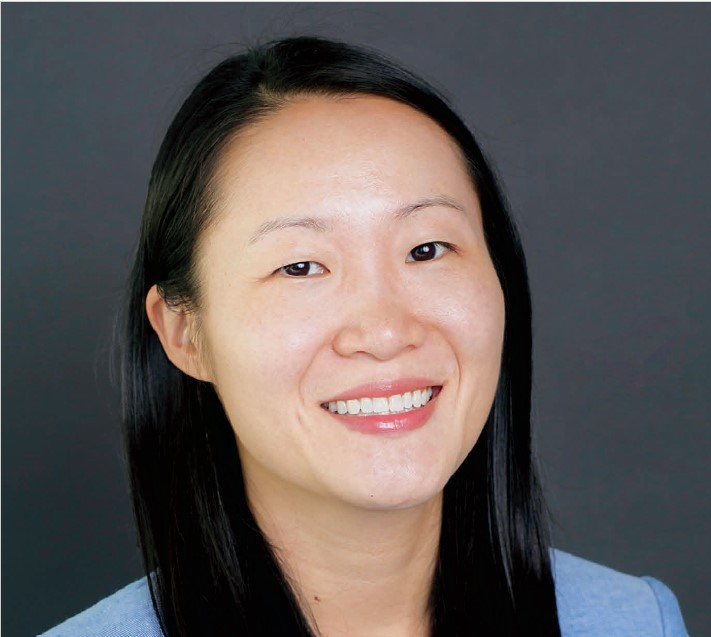
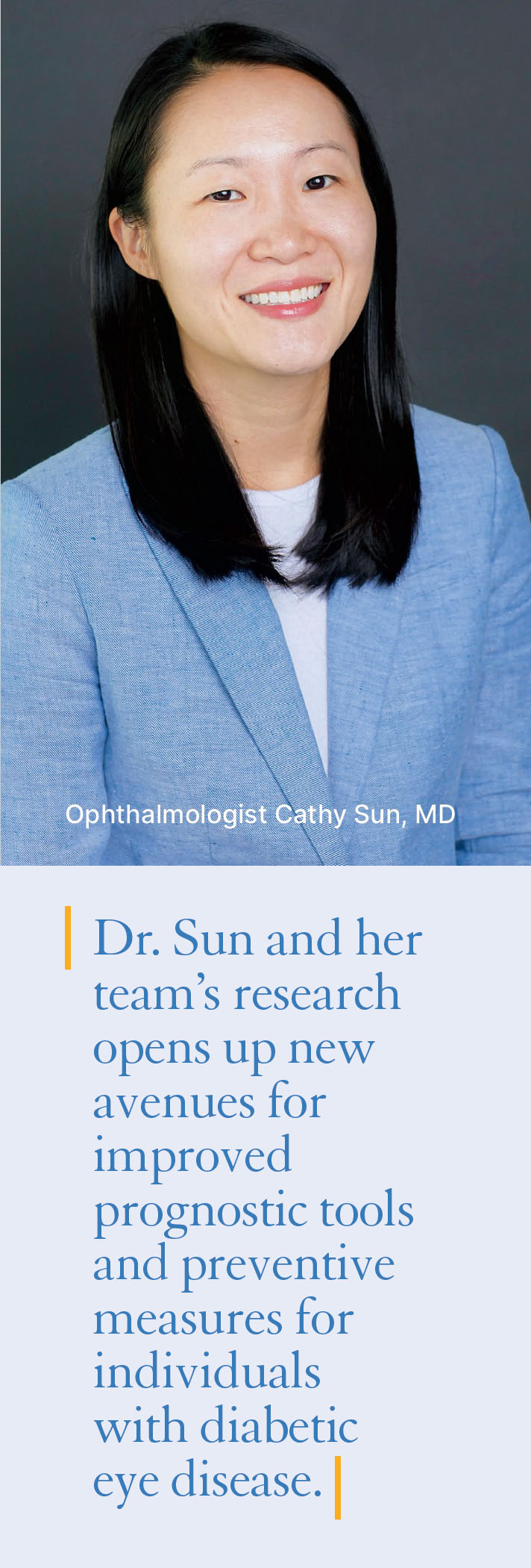
A woman smiling in a blue blazer.Diabetic retinopathy is a critical eye disease that poses a significant threat to vision if left untreated. To address the issue of inadequate preventive care and the absence of a reliable method to predict high-risk patients, ophthalmologist Cathy Sun, MD, and her team at UCSF embarked on a groundbreaking study. Their aim was to develop predictive models for the progression of diabetic retinopathy, enabling healthcare providers to implement timely interventions and prevent vision loss in affected individuals.

 

Analyzing influencing factors

Drawing from patient medical records at UCSF Health and Zuckerberg San Francisco General (ZSFG) Hospital, the research team meticulously analyzed various influencing factors that could predict the advancement to more severe stages of the disease. Key factors such as insurance coverage, age, and average Hemoglobin A1c levels, which provide insights into blood sugar control, emerged as critical risk factors significantly affecting the progression to more severe diabetic retinopathy.
 

Personalized risk assessment tool

The study’s findings paved the way for the development of a personalized risk assessment tool that goes beyond general population-level predictions. Dr. Sun and her team aspire to create a tool capable of predicting the risk of progression on an individual patient level. By leveraging the patient’s complete medical information, this tool would empower healthcare providers to make more accurate assessments of individual risk. Consequently, timely interventions could be implemented to halt disease progression and successfully prevent vision loss.
 

Improving patient outcomes

The study conducted by Dr. Sun and her team at UCSF sheds light on critical risk factors for diabetic retinopathy progression. Their endeavor to develop a personalized risk assessment tool demonstrates a commitment to improving patient outcomes. As this research progresses, healthcare providers may gain a valuable ally in the fight against diabetic eye disease, enabling them to implement timely and effective interventions that preserve the precious gift of sight for countless individuals.

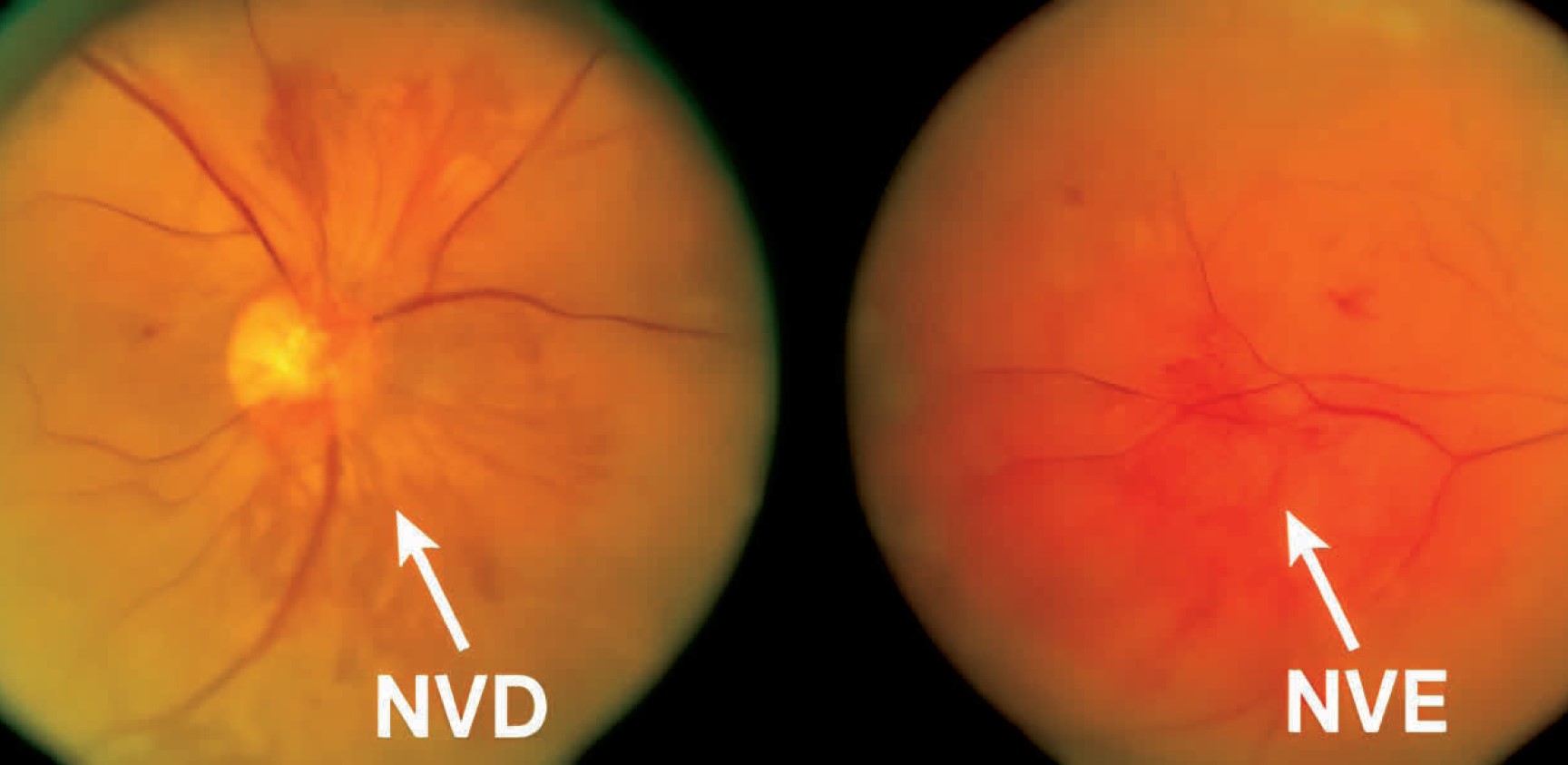
Two eye fundus images showing NVD and NVE.
These are examples of an eye with proliferative diabetic retinopathy (PDR) with neovascularization of the optic disc (NVD) and neovascularization elsewhere on the retina (NVE).

UCSF at the “ARVO 2023 Annual Meeting”

UCSF Ophthalmology and Proctor Foundation faculty and their research teams are attending the The Association for Research in Vision and Ophthalmology “ARVO 2023” annual meeting in New Orleans, from Saturday, April 22nd 2023 to Thursday, April 27th, 2023.  Details of their presentations and contributions for the event are listed below. All May See Foundation will host a Faculty & Alumni Reception on Sunday, April 23, from 7 p.m. to 9 p.m., at the Napoleon House located at 500 Chartres Street in the French Quarter in New Orleans (reception details).

Faculty and Student Presentations and Contributions


Saturday, April 22


Punyanuch Pisitpayat

Stromal keratitis associated with CMV anterior uveitis​

Date: 04-22-2023, Time (CDT): 7 PM
Location: Convention center room 343
Type: Paper
Session:


Sunday, April 23


Fanxiu Xiong

How are Dry Eye Therapies Associated with Dry Eye Signs and Symptoms Using G-computation? Insights from the Sjögren’s International Collaborative Clinical Alliance

Date: 04-23-2023, Time (CDT): 3:45 PM to 5:30 PM
Location: Posterboard # C0439
Type: Poster
Session: Anterior Segment and Trauma Epidemiology


Ethan Lindgren

The Roles of Extracellular Calcium-Sensing Receptor (CaSR) in Ocular Surface Ion Transport

Date: 04-23-2023, Time (CDT): 5:15 PM
Location: Room: 244
Type: Paper
Session: Corneal epithelium


Matilda Chan

(Moderator)

Date: 04-23-2023, Time (CDT): 8:00 – 10:00 AM
Location: Great Hall BC
Type: Moderating the Symposium titled Cell death in ocular health and disease: Mechanisms and emerging therapeutics
Session: Cell death in ocular health and disease: Mechanisms and emerging therapeutics


Corinne Shiu

Assessing Participant Confidence about Their Glaucoma After Using an Online Support Community

Date: 04-23-2023, Time (CDT): 8:00 AM
Location: Poster # 123-B0185
Type: Poster
Session: Glaucoma Epidemiology


Angela Matcham

Cdh13 Regulates Wide-Field Neuron Spine Morphogenesis in the Superior Colliculus

Date: 04-23-2023, Time (CDT): 8:00-9:30 AM
Location: Poster #35-B0097
Type: Poster
Session: Retinal ganglion cells, visual circuits, and behavior


Monday, April 24


Yeabsira Mesfin, Kieran O’Brien, Alejandra de Alba Campomanes, Maanasa Indaram, Julius Oatts

Differences in Pediatric Ophthalmology Referrals Before and After the COVID-19 Pandemic

Date: 04-24-2023, Time (CDT): 11:00 AM
Location: #3884300
Type: Poster
Session: Pediatric Epidemiology


Charis Hoppe

Impact of the COVID-19 Pandemic on Pediatric Ophthalmology Follow-Up Adherence

Date: 04-24-2023, Time (CDT): 11:30 AM
Location: Posterboard Number: 1427 – B0066
Type: Poster
Session: Pediatric Epidemiology


O’Rese J. Knight

A New Application of Atomic Force Microscopy to measure Intraocular Pressure

Date: 04-24-2023, Time (CDT): 11:30 AM
Location: 1375-B0014
Type: Poster
Session: Aqueous Humor Dynamics, Trabecular Meshwork, and Ciliary Body 1


Mengya Zhao

Spp1 drives retinal neuron resiliency in glaucomatous neuropathy but not axotomy

Date: 04-24-2023, Time (CDT): 11:30 AM-1:15 PM
Location: Posterboard#: B0248
Type: Poster
Session: Neuroregeneration and Neuroprotective Mechanisms


Allen Khudaverdyan

Microglia activation and its role in synapse disassembly in excitotoxicity-induced cell death model

Date: 04-24-2023, Time (CDT): 3:15 – 5:15 PM
Location: 2047 – B0378
Type: Poster
Session: Immunobiology of Eye Diseases: The Ocular Microenvironment


Ivan Copado (medical student)

Predicting progression to proliferative diabetic retinopathy in a public hospital population

Date: 04-24-2023, Time (CDT): 3:15 – 5:00 PM
Location: 2284 – C0283
Type: Poster
Session: Diabetic Retinopathy


Sangeetha Kandoi

Assessment of cellular and molecular changes in retinal glia of cone-dominant rodent during the seasonal hibernation and aging

Date: 04-24-2023, Time (CDT): 3:15 – 5:15 PM
Location: Posterboard Number: 2057 – B0388
Type: Poster
Session: Immunobiology of Eye Diseases: The Ocular Microenvironment


Cathy Sun

Comparison of Diagnosis Codes to Clinical Notes in Classifying Diabetic Retinopathy Patients

Date: 04-24-2023, Time (CDT): 3:15 – 5:00 PM
Location: Poster 2298 – C0297
Type: Poster
Session: Diabetic Retinopathy


Tuesday, April 25


Nicole Tsai

Comprehensive Spatial Transcriptomic Analysis of Mouse Retinal Ganglion Cell Diversity

Date: 04-25-2023, Time (CDT): 11:45 AM to 1:45 PM
Location: C0144
Type: Poster
Session: Transcriptomics, proteomics, metabolomics and systems biology


Cassie Martinez

Intermittent supplementation of small molecule accelerates photoreceptor maturation in retinal organoids

Date: 04-25-2023, Time (CDT): 11:45 AM – 1:45 PM
Location: 3182 – C0375
Type: Poster
Session: Stem Cells and Organoids


Jacqueline Lopez

Oxytocin and Secretin Receptors on the Ocular Surface

Date: 04-25-2023, Time (CDT): 11:45 AM – 1:30 PM
Location: Posterboard Number: C0308
Type: Poster
Session: Corneal cell and molecular biology


Paul Micevych

Individual and Systems-Based Risk Factor for Diabetic Vitrectomy in an Urban Safety-Net Hospital

Date: 04-25-2023, Time (CDT): 8:45-10:30AM
Location: #B0495
Type: Poster
Session: Diabetic Retinopathy Medical


Julie Schallhorn

B0015: Corneal Higher Order Aberrations and Patient-Reported Outcomes after Cataract Surgery with Diffractive Intraocular Lenses

Date: 04-25-2023, Time (CDT): 8:45 – 10:30 AM
Location: Posterboard B0015 / Location – Exhibit Hall
Type:
Session: Session Presentation | Presbyopia and intraocular lenses


Stephanie Zhang

Association of male sex and vascular alterations on optical coherence tomography angiography in diabetes

Date: 04-25-2023, Time (CDT): 8:45 – 10:30 AM
Location: Poster 2663-B0485
Type: Poster
Session: Diabetic Retinopathy Medical


Wednesday, April 26


Li Xuan Tan

Optineurin dynamically regulates photoreceptor outer segment phagocytosis and lysosome biogenesis in the retinal pigment epithelium

Date: 04-26-2023, Time (CDT): 10:30 AM – 12:15 PM
Location: Poster B0167
Type: Poster
Session: Cellular pathways underlying retinal degeneration


Ying Han

Impact of Lens Status on Glaucoma Drainage Device Implantation Outcomes

Date: 04-26-2023, Time (CDT): 10:30 AM – 12:15 PM
Location: Exhibit Hall Poster # C0278
Type: Poster
Session:


John Gonzales, MD; Jeremy Nortey, MD; Elizabeth Gebreegziabher, PhD; Tom Lietman, MD; Thuy Doan, MD, PhD

The gut microbiome distinguishes Sjögren’s disease from non-Sjögren’s disease: insights from the Sjögren’s International Collaborative Clinical Alliance

Date: 04-26-2023, Time (CDT): 10:30 AM – 12:30 PM
Location: 418
Type: Poster
Session: Dry Eye (Clinical)


Colin Germer

Ceramide-mediated apical exosome release by the RPE triggers infiltration of microglia into the subretinal space in models of macular degeneration

Date: 04-26-2023, Time (CDT): 11:30 AM
Location: R02-R03
Type: Paper
Session: Regulation of lipid metabolism in retinal health and disease


Jacque Duncan

Change in Cone Structure over 24 months in USH2A related retinal degeneration

Date: 04-26-2023, Time (CDT): 2:00 PM
Location: Poster board #4645, C0110
Type: Poster
Session: Retinitis Pigmentosa


Ajay Kolli

Outer retinal reflectivity changes with reduced visual function following anatomically successful repair of macula-off rhegmatogenous retinal detachment

Date: 04-26-2023, Time (CDT): 3:00 – 3:15 PM
Location: La Nouvelle C
Type: Paper
Session: Advanced imaging methods and clinical applications


Jonathan Li

Relationship of macular and choroidal thickness with axial myopia in a Singaporean cohort of myopic children

Date: 04-26-2023, Time (CDT): 3:15 – 3:30 PM
Location: R09
Type: Paper
Session: Myopia: Structure-Function Relationship


Nisha Acharya

Effect of Climate Change on Eye Health:

Date: 04-26-2023, Time (CDT): 4:00 PM
Location: New Orleans Convention Center, Room R09
Type: ARVO LATE BREAKING SESSION ON GLOBAL HEALTH
Session: Advances and Current Challenges in Global Eye Health with a focus on Climate Change


Thursday, April 27


Linus Shen

METformin FOR the MINimization (METforMIN) of Geographic Atrophy Progression in Patients with Non-exudative Age-Related Macular Degeneration – A Randomized Trial

Date: 04-27-2023, Time (CDT): 11:00 AM
Location: Great Hall BC
Type: Paper
Session: AMD Clinical Trials


Neel Pasricha

Optimizing Office-Based Pterygium Surgery

Date: 04-27-2023, Time (CDT): 8:00 AM
Location: Posterboard Number: 4800 – B0093
Type: Poster
Session: Corneal surgery: non refractive


Sophia Collis (Neel Pasricha presenting)

Optimizing Office-Based Pterygium Surgery

Date: 04-27-2023, Time (CDT): 8:00 AM – 9:45 AM
Location: Posterboard Number: B0093
Type: Poster
Session: Corneal surgery: non refractive


UCSF at the “AAO 2022 Annual Meeting”

UCSF Ophthalmology and Proctor Foundation Faculty are attending the American Academy of Ophthalmology “AAO 2022” annual meeting in Chicago, from Saturday, Sept 30th, 2022 to Monday, October 3rd, 2022.  Faculty presentations and contributions for the event are listed below and available as downloadable pdf here.

The Francis I. Proctor Foundation, the Department of Ophthalmology, the Frederick C. Cordes Eye Society, the H. Bruce Ostler Association of Proctor Fellows, and All May See Foundation will host the annual Alumni Cocktail Reception on Saturday, October 1, from 6 p.m. to 8 p.m., at the Sunda New Asian (110 W. Illinois Street, Chicago, IL 60654). Please respond by contacting Leah Jarvis Leah.Jarvis@ucsf.edu or 415.476.4016.
 

Faculty Presentations and Contributions


Nisha Acharya, MD

Results of the Macular Edema Ranibizumab vs. Intravitreal Anti-inflammatory Therapy (MERIT) Trial

Date: 9/30/22 Time: 2:40 PM PST
Location: E350
Presentation Type: In person, Live Broadcast, On Demand
Session: Uveitis Subspecialty Day: Hot Topics in Uveitis


Uveitis Case Panel Discussion

Date: 10/01/22 Time: 8:55 AM PST
Location: Arie Crown
Presentation Type: In person, Live Broadcast, On Demand
Session: Retina Subspecialty Day: Uveitis Cases


Panel discussion: Masquerading as the Masquerade in the Uveitis Clinic

Date: 10/01/22 Time: 12:00 PM PST
Location: S406A
Presentation Type: In person, Live Broadcast, On Demand
Session: SYM 14: Symposium


Ophthalmology Journal Podcast Live: Discussion about manuscript

Date: 10/02/22 Time: 11:30 AM PST
Location: Technology Pavilion
Presentation Type: In person
Session: Ophthalmology Journal Podcast Live


American Uveitis Society Fall Meeting, meeting chair

Date: 10/02/22 Time: 6:00 PM PST
Location: Intercontinental Hotel
Presentation Type: In person
Session: American Uveitis Society Fall Meeting


Best Practices in Uveitis Practices and Management: The American Uveitis Society Course

Date: 10/03/22 Time: 9:30 AM PST
Location: E351
Presentation Type: In person
Session: Instructional Course by the American Uveitis Society


Armin Afshar, MD

Application of a Novel Semi-Supervised Machine Learning Approach to Identify Choroidal Tumors From Fundus Photographs

Date: N/A Time: N/A
Location: PO247
Presentation Type: On Demand Only
Session: Ocular Oncology


Robert Bhisitkul, MD

Monthly Intravitreal Therapy Is a Feasible Approach for Patients with Geographic Atrophy

Date: 09/30/22 Time: 12:22 PM PST
Location: N/A
Presentation Type: Debate
Session: N/A


Michele Bloomer, MD

Advanced Refractive Cataract Surgery and Anterior Segment Reconstruction Skills Transfer

Date: 10/01/22 Time: 1:00 PM PST
Location: N228
Presentation Type: In Person
Session: N/A


Frank Brodie, MD

Artemis Award and Loving Eyes Foundation

Date: 10/01/22 Time: 12:00 PM PST
Location: S406B
Presentation Type: In person
Session: Young Ophthalmologist Session


YO Program Part 3: Future of the Profession

Date: 10/02/22 Time: 12:00 PM PST
Location: S406B
Presentation Type: In person, Live Broadcast, On Demand
Session: Retina


Alejandra de Alba, MD

Session I: The Untouchables – Are Good Results Possible With Less Surgery?

Date: 9/30/22 Time: 6:23 AM PST
Location: PED02, E450
Presentation Type: In person, Live Broadcast, On Demand
Session: Esotropia Duane Syndrome: Ipsilateral Medical Rectus Recession


Managing Pediatric Cataract Patients: The Whole Story

Date: 10/02/22 Time: 2:47 PM PST
Location: SYM38, E450
Presentation Type: In Person, On Demand
Session: Access to Care, Treatment Compliance


Thuy Doan, MD

Identification of Microbes and Susceptibility Testing

Date: 10/01/22 Time: 9:24 AM PST
Location: Session COR04 Location E354
Presentation Type: In person, Live Broadcast, On Demand
Session: Section III Keratitis


Jacque Duncan, MD

What’s New in Retinal Degenerations?

Date: 09/30/22 Time: 9:16 AM PST
Location: ARIE CROWN RET06
Presentation Type: In Person, Live Broadcast, On Demand
Session: Subspecialty Day
Section IV: Medical Retina and Chorioretinal Vascular Disease


Accelerating Research in Retinal Degenerations Through an International Consortium

Date: 10/02/22 Time: 9:46 AM PST
Location: McCormick Place Convention Center Event #SYM32 E354
Presentation Type: In Person, Live Broadcast, On Demand
Session: Innovations in Ophthalmology from Around the World


John Gonzales, MD

Posterior Uveitis Case

Date: 9/30/22 Time: 11:30 AM PST
Location: E350
Presentation Type: In person
Session: Subspecialty Day: Uveitis (Posterior Uveitis)


Panel discussion: Masquerading as the Masquerade in the Uveitis Clinic

Date: 10/01/22 Time: 12:00 PM PST
Location: S406A
Presentation Type: In person, Live Broadcast, On Demand
Session: SYM 14: Symposium


Academy Cafe: Uveitis

Date: 10/02/22 Time: 7:45 AM PST
Location: S404
Presentation Type: In person, Live Broadcast, On Demand
Session: SYM62


Seanna Grob, MD

Lower Recurrence Rate of Periocular Melanoma-in-situ with Mohs Micrographic Surgery vs Wide Local Excision

Date: N/A Time: N/A
Location: PO242 Scientific Poster
Presentation Type: On Demand Only
Session: Plastics


Orbitofacial Fracture Repair Planting Workshop

Date: 10/02/22 Time: 6:00 AM PST
Location: LAB130 Location N231
Presentation Type: In Person
Session: Plastics


David Hwang, MD

Top Hot Corneal Surgical Tips for 2022

Date: 10/03/22 Time: 6:00 AM PST
Location: S103ABC
Presentation Type: Instruction Course
Session: Cornea, External Disease


Maanasa Indaram, MD

Telehealth for Pediatric Ophthalmology and Strabismus

Date: 10/01/22 Time: 12:42 PM PST
Location: Grand Ballroom S100AB (Session SYM15)
Presentation Type: In Person, Live Broadcast, On Demand
Session: Hot Topics 2022


Alice Jiang, MD

Metabolic Uptake by PET in the Extraocular Muscles of Patients With Paretic Motility Disorders

Date: 10/01/22 Time: 1:40 PM PST
Location: Poster Theater and Lounge, Hall A past the registration area
Presentation Type: In Person and On Demand
Session: Neuro-Ophthalmology Poster Theater


Lower Recurrence Rate of Periocular Melanoma-in-situ with Mohs Micrographic Surgery vs Wide Local Excision

Date: 10/02/22 Time: 7:51 AM PST
Location: Poster Theater and Lounge, Hall A past the registration area
Presentation Type: In Person and On Demand
Session: Oculoplastics Poster Theater


Jeremy Keenan, MD

Diagnostic Accuracy of an iPad Application for Detection of Visual Field Defects

Date: N/A Time: N/A PST
Location: PO127 Scientific Poster
Presentation Type: On Demand Only
Session: Glaucoma


Anterior Segment Imaging Devices in Teleophthalmology

Date: 10/02/22 Time: 6:01 AM PST
Location: Grand Ballroom S100AB
Presentation Type: In person, Live Broadcast, On Demand
Session: I Can See: The Role of Anterior Segment Imaging


Epidemiology of Myopia in the United States and Around the World

Date: 10/02/22 Time: 7:50 AM PST
Location: E350
Presentation Type: In person, On Demand
Session: Myopia Prevalence and Control of Progression: Update From the Preferred Practice Patterns Committee


Why I Use Them

Date: 10/02/22 Time: 8:44 AM PST
Location: Grand Ballroom S100AB
Presentation Type: In person, Live Broadcast, On Demand
Session: The Great Debate: Cornea


Robert Kersten, MD

When it’s Hot, its Hot! Idiopathic Orbital Inflammation

Date: 10/01/22 Time: 1:24 PM PST
Location: OCU 07 E450
Presentation Type: In person, Live Broadcast, On Demand
Session: N/A


Blepharoplasty

Date: 10/02/22 Time: 6:00 AM PST
Location: LEC 127 E352
Presentation Type: In person
Session: N/A


Blepharoplasty

Date: 10/02/22 Time: 8:00 AM PST
Location: LAB 127A N229
Presentation Type: In Person
Session: N/A


Lower Recurrence Rate of Periocular Melanoma-in-situ with Mohs Micrographic Surgery vs Wide Local Excision

Date: N/A Time: N/A
Location: PO 242Scientific Poster
Presentation Type: On Demand Only
Session: N/A


Stephen McLeod, MD

Introduction of the 2022 Charles L Schepens MD Lecturer

Date: 9/30/22 Time: 7:36 AM PST
Location: ARIE CROWN
Presentation Type: In person, Live Broadcast, On Demand
Session: RET04


Section IV: Video-Based Master Complications Session

Date: 9/30/22 Time: 11:03 AM PST
Location: S406A
Topic: Refractive Surgery
Presentation Type: In person, On Demand
Session: REF07


Academy CEO’s Address

Date: 9/30/22 Time: 3:08 PM PST
Location: E354
Session: SYM55


Traversing Leadership Pathways – Pathways to Promotion

Date: 10/1/22 Time: 10:22 AM PST
Location: GRAND BALLROOM S100AB
Session: SYM10


Academy’s Perspective on Importance of Patient-Reported Outcomes

Date: 10/1/22 Time: 12:12 PM PST
Location: E350
Session: SYM53


Ophthalmic Premier League: A Team Symposium on Managing Cataract Complications Symposium

Date: 10/2/22 Time: 12:00 PM PST
Location: E354
Session: SYM41


Julius Oatts, MD

Diagnostic Accuracy of an iPad Application for Detection of Visual Field Defects

Date: N/A Time: N/A
Location: PO127 Scientific Poster
Presentation Type: On Demand Only
Session: Pediatric


Efficacy of the Ahmed and Baerveldt Glaucoma Drainage Implants in the Pediatric Population: A Meta-Analysis

Date: N/A Time: N/A
Location: PO185 Scientific Poster Presentation
Type: On Demand Only
Session: Pediatric


Yvonne Ou, MD

Lifestyle Modifications and Glaucoma

Date: 10/01/22 Time: 12:52 PM PST
Location: Grand Ballroom S100AB
Presentation Type: In Person, Live Broadcast, On Demand
Session: N/A


Sriranjani P Padmanabhan, MD

Manual Small-incision Cataract Surgery

Date: 10/01/22 Time: 8:30 AM PST
Location: N228
Presentation Type: In person Only
Session: Cataract


Manual Small-incision Cataract Surgery

Date: 10/02/22 Time: 9:00 AM PST
Location: N228
Presentation Type: In person Only
Session: Cataract


Characterization of Infectious Keratitis in Opioid Users in a County Hospital Setting

Date: N/A Time: N/A
Location: PO100
Presentation Type: On Demand Only
Session: Cornea, External Disease


Neel Pasricha, MD

Rose Bengal Photodynamic Antimicrobial Therapy (RB-PDAT) for Fungal Keratitis: A Pilot Case Series

Date: 09/30/22 Time: 7:36 AM PST
Location: OMIG
Presentation Type: Podium
Session: N/A


Nailyn Rasool, MD

Curbside Consultation in Neuro-Ophthalmology

Date: 10/03/22 Time: 6:00 AM PST
Location: S503AB
Presentation Type: In Person
Session: 605


Julie Schallhorn, MD

Eyecelerator

Date: 09/29/22 Time: 6:00 AM PST
Location: E354
Presentation Type: Live
Session: N/A


Optics 101: Matching Optics to Available TechnologySection

Date: 09/30/22 Time: 6:12 AM PST
Location: S406A
Presentation Type: In Person, Live Broadcast, On Demand
Session: Section I: Refractive Surgery in the New Era


No Capsule, No Problem: Intrascleral Haptic Fixation of IOLs

Date: 10/01/22 Time: 6:00 AM PST
Location: N228
Presentation Type: In Person Only
Session: Cataract


Advanced Endothelial Keratoplasty (DSEK/DMEK): Overview and Surgical Pearls

Date: 10/01/22 Time: 1:00 PM PST
Location: N227B
Presentation Type: In Person Only
Session: Cornea, External Disease


I Can See: The Role of Anterior Segment Imaging

Date: 10/02/22 Time: 6:00 AM PST
Location: Grand Ballroom S100AB
Presentation Type: In Person, Live Broadcast, On Demand
Session: Cornea, External Disease


How I Utilize Anterior Segment OCT in My Cornea Practice

Date: 10/02/22 Time: 7:30 AM PST
Location: Learning Lounge 1
Presentation Type: In Person Only
Session: Cornea, External Disease


Outliers: The Role of Angle Kappa and Alpha in Presbyopic Procedures

Date: 10/02/22 Time: 10:14 AM PST
Location: Grand Ballroom S100C
Presentation Type: In Person, On Demand
Session: Treatment of Presbyopia


Spotlight on Cataract: M&M Rounds—Learning from My Mistakes

Date: 10/03/22 Time: 7:35 AM PST
Location: E354
Presentation Type: In Person, Live Broadcast, On Demand
Session: Cataract


Gerami Seitzman, MD

A Metagenomic Deep Sequence Analysis of Infectious Conjunctivitis Etiology in Burkina Faso, Africa, and Berkeley, California

Date: 09/30/22 Time: 10:10 AM PST
Location: Great Lakes Ballroom C (Floor 2), 2121 S
Presentation Type: In person, On Demand
Session: Ocular Microbiology and Immunology Group


Novel Dry Eye Treatments

Date: 10/01/22 Time: 6:12 PM PST
Location: Cornea Subspecialty Day/W195
Presentation Type: In person, On Demand
Session: Cornea


Jessica Shantha, MD

Posterior Uveitis Case

Date: 09/30/22 Time: 11:30 AM PST
Location: E350
Presentation Type: In person
Session: Subspecialty Day: Uveitis (Posterior Uveitis)


Jeannette Stallworth, MD

Efficacy of the Ahmed and Baerveldt Glaucoma Drainage Implants in the Pediatric Population: A Meta-Analysis

Date: N/A Time: N/A
Location: PO185
Presentation Type: On-Demand Poster
Session: N/A


Robert Stamper, MD

Diagnostic Accuracy Of An iPad Application for Detection of Visual Field Defects

Date: N/A Time: N/A
Location: N/A
Session: PO127, Scientific Poster
Presentation Type: On Demand Only
Session: Glaucoma


Jay Stewart, MD

Challenging Cases in Neovascular AMD

Date: 10/01/22 Time: 6:00 AM PST
Location: S504ABC
Presentation Type: In person, On Demand
Session: Retina, Vitreous


Catherine Sun, MD

Section V: Hot Topics in Glaucoma

Date: 09/30/22 Time: 12:45 PM PST
Location: Grand Ballroom S100AB
Presentation Type: In person, Live Broadcast, On Demand
Session: Glaucoma


Bryan Winn, MD

Lower Recurrence Rate of Periocular Melanoma-in-situ with Mohs Micrographic Surgery vs Wide Local Excision

Date: N/A Time: N/A
Location: PO242 Scientific Poster
Presentation Type: On Demand Only
Session: Plastics


Salary Negotiations: Ophthalmologist Attitudes and Behaviors

Date: N/A Time: N/A
Location: PO216 Scientific Poster
Presentation Type: On Demand Only
Session: Plastics


Faculty News

Dr. Seth Blumberg, MD, joins UCSF’s Francis I. Proctor Foundation as a computational epidemiologist. He provides patient care to hospitalized patients at UCSF Medical Center as an internist specializing in infectious disease.

Fellowships: New York University (infectious diseases), Proctor Foundation (forecasting trachoma control), National Institutes of Health (research and policy for infectious disease dynamics)
Residency: St. Mary’s Medical Center, San Francisco
MD, PhD: University of Michigan, Ann Arbor (PhD in Biophysics)


Smiling man in a denim shirt outdoors.How did Hodgkin’s disease shape your career? I was a classic “Caltech nerd,” pursuing math and physics, when I was diagnosed with cancer. Fortunately, my treatment was effective, and I got a second chance at life. Becoming a clinician and medical researcher became my way of giving back.

How do your skills strengthen the Proctor Foundation’s capacity to improve public health and protect sight? My training and experience in mathematical modeling, infectious disease dynamics, and biophysics complements rich existing knowledge and skills. An interdisciplinary approach allows our research team to tackle complex public health questions to address ongoing spread of preventable diseases, including blindness caused by trachoma.

How is Proctor providing leadership on the threat of antimicrobial-resistant infections? The Centers for Disease Control (CDC) funds our investigation of antimicrobial resistance in the United States. Ironically, the antibiotics we use to treat serious infections can also increase the risk of deadly infections from Newsresistant bacteria. Our research aims to figure out how to treat infections without unintended consequences. We hope to build on this research and study patterns of resistance in low- and middle-income nations.

How has COVID-19 altered your research? In June 2020, the CDC reached out to Proctor, requesting that we immediately begin analyzing COVID data from US hospitals to help decrease transmission and improve outcomes. To reduce the rapid spread inside California prisons, I volunteered as an epidemiological modeler with AMEND, a university-based prison health consortium.

What did you gain in your RAPIDD Fellowship at the National Institutes of Health Fogarty Center? RAPIDD stands for Research and Policy for Infectious Disease Dynamics. I collaborated with outstanding leaders who advanced the field of mathematical modeling of epidemiologic data to understand, forecast, and mitigate the transmission potential of emerging diseases. This methodology helps guide governmental and international health policy – to manage novel disease threats and save lives.

Advancing through Mentorship

Just Getting Started: $2.5 Million for Mentorships

UCSF Ophthalmology’s outstanding vision and clinician scientists have a tremendous track record of developing leading-edge research programs that attract hypercompetitive grants from the National Institutes of Health (NIH). This sustained funding enables new discoveries

Three mentoring tracks showcase the strengths and priorities of UCSF’s vision scientists.The UCSF-Proctor Clinician Vision Scholars K12 Program is a $2.5 million, five-year grant from the National Eye Institute (NEI), one of 27 institutes and centers that comprise the US National Institutes of Health. This grant provides institutional funding to train as many as ten young faculty members to achieve this same level of success. Co-led by Yvonne Ou, MD, and Tom Lietman, MD – both NEI grant awardees – the program builds on existing strengths and collaborations in clinical and translational sciences, bioengineering, and career development in the UCSF Proctor Foundation and Department of Ophthalmology.

New patient-serving faculty members with a passion for research can undertake a one-year intensive mentorship, each supported by a primary mentor and a faculty advisory committee. Immersion in rigorous state-of-the-art vision research is supplemented with guidance for crafting important and novel questions while developing techniques to answer them, aspects of leadership, the value of multidisciplinary and collaborative approaches, and writing effective grant proposals.

This mentorship opportunity makes UCSF Ophthalmology an even more attractive place for top clinical research candidates to launch their faculty careers. As younger vision scientists develop and take charge of significant new research programs, the future of vision grows brighter – at UCSF and around the world.


Reducing Sight Loss from Diabetes

Cathy Sun, MD, the first scholar to benefit from an NEI K12 mentorship, has been awarded an NIH grant for independent research of diabetic retinopathy.

A woman smiling with arms crossed in a bright office.
Cathy Sun, MD, investigates diabetic retinopathy.

Joining UCSF Ophthalmology’s faculty in 2019, Dr. Sun’s grant will allow her to investigate the rising global health threat of Type 2 diabetes, where blurred vision is often the first noticeable symptom. Advanced diabetic eye disease, called proliferative diabetic retinopathy, can result in permanent sight loss.

Dr. Sun and her team develop and test novel methods and tools for analyzing large databases of de-identified electronic health care records of patients treated for this condition. The team’s findings and insights can be used to adjust treatment protocols, halting the disorder before it advances and reducing sight loss. They expect to improve strategies for electronic records investigations that can be used to improve outcomes for other damaging eye conditions as well.

Dr. Sun earned her medical degree and completed a residency in ophthalmology at UCSF. She completed a fellowship in glaucoma at Bascom Palmer Eye Institute and received a merit award fellowship from the prestigious Heed Ophthalmic Foundation.

Life Under Pandemic Drives Eye Injuries

UCSF Ophthalmology residents are on the front line at Zuckerberg San Francisco General Hospital and Trauma Center, where the evolving COVID pandemic and attendant social upheaval present new health challenges. During these tough times, residents are working to preserve and save sight for the city’s most vulnerable people.

Close-up of a child's eye reflecting trees.Children Injured by Sanitizer

Resident Lawrence Chan, MD, reports incidents of young children experiencing eye injuries from splashed or squirted hand sanitizers. Available everywhere to reduce COVID transmission, the alcohol base of these cleaners is toxic to the eye. Irritation, painful burns, or even ulcers on the cornea can result from direct contact.

Fortunately, corneal tissue can regenerate from superficial burns, allowing the eye to regain clear sight. Dr. Chan recommends keeping dispensers away from children’s eye level and watching out for automatic dispensers in public places. Adults, especially health care workers who must use sanitizer very frequently, must also be careful to avoid touching the eyes after sanitizing their hands.


Hand receiving liquid from a pump bottle.Anti-Asian Attacks

Hate-fueled attacks on Asian Americans have escalated nationally during the pandemic. The eye is particularly vulnerable to damage. This year, resident Lauren Hennein, MD, along with Dr. Chan, have treated Asian Americans struck in the face or fired on with a gun.

“We must all voice support for our Asian American neighbors,” says Alejandra de Alba Campomanes, MD, Department Vice Chair for Diversity, Equity, and Inclusion. “This institution believes that the best defense against hate, intolerance, and ignorance is care, compassion, and empathy.”

More Than Meets the Eye

Colorful neurons with cell nuclei in a microscopy image.
Microscopic image of ganglion cells in a mouse retina, a valuable research tool.

Early Detection of Cognitive Diseases

Principal investigator (PI), Xin Duan, PhD, and his team, which includes both co-PI Erik Ullian, PhD, and Kongyan Wu, PhD, seek to address a vital problem in neurodegeneration: how can nerve-damaging diseases be identified earlier to prevent more extensive damage?

Conceptually, Dr. Duan’s team aims to use the retina to establish a way to identify early signs of disease. Instead of simply focusing on the cell biology of degenerating neurons, this team of leading-edge investigators propose to investigate the problem by taking a larger view of the neural circuits within the eye and its component parts.

“There is increasing evidence that the visual system is involved in most neurogenerative diseases and thus could provide a novel early diagnostic inroad to common diseases such as Alzheimer’s and frontotemporal degeneration (FTD)/amyotrophic lateral sclerosis (ALS),” Dr. Ullian contributed. “Furthermore, we can map circuit function with unprecedented precision in the visual system, so it will undoubtedly give us greater insight into specific mechanisms of neuronal and circuit dysfunction in these diseases.”

Visual circuits – the neural networks that give us sight – offer great advantages for analyzing general neural circuits as they are highly accessible with well-characterized synaptic contacts and functional properties. Moreover, the retina and the visual pathways have recently been shown to be easily observable clinically.

Dr. Duan reasons that neural circuit studies represent a major advancement in the analysis of neurodegeneration-related changes.

Dr. Duan’s studies in visual circuits will shed light on other neural circuits across the central nervous system and may lead to early detection of Alzheimer’s disease in patients. They are investigating potential synergies in neurodegenerative disease research, including both glaucoma and Alzheimer’s. Dr. Duan and his team aim to establish a way to detect disease onset, evaluate its progression, and establish a platform to discover dysfunctional neural circuits – with the ultimate goal of preventing neurodegeneration and restoring circuit functions.