Faculty News

Dr. Seth Blumberg, MD, joins UCSF’s Francis I. Proctor Foundation as a computational epidemiologist. He provides patient care to hospitalized patients at UCSF Medical Center as an internist specializing in infectious disease.

Fellowships: New York University (infectious diseases), Proctor Foundation (forecasting trachoma control), National Institutes of Health (research and policy for infectious disease dynamics)
Residency: St. Mary’s Medical Center, San Francisco
MD, PhD: University of Michigan, Ann Arbor (PhD in Biophysics)
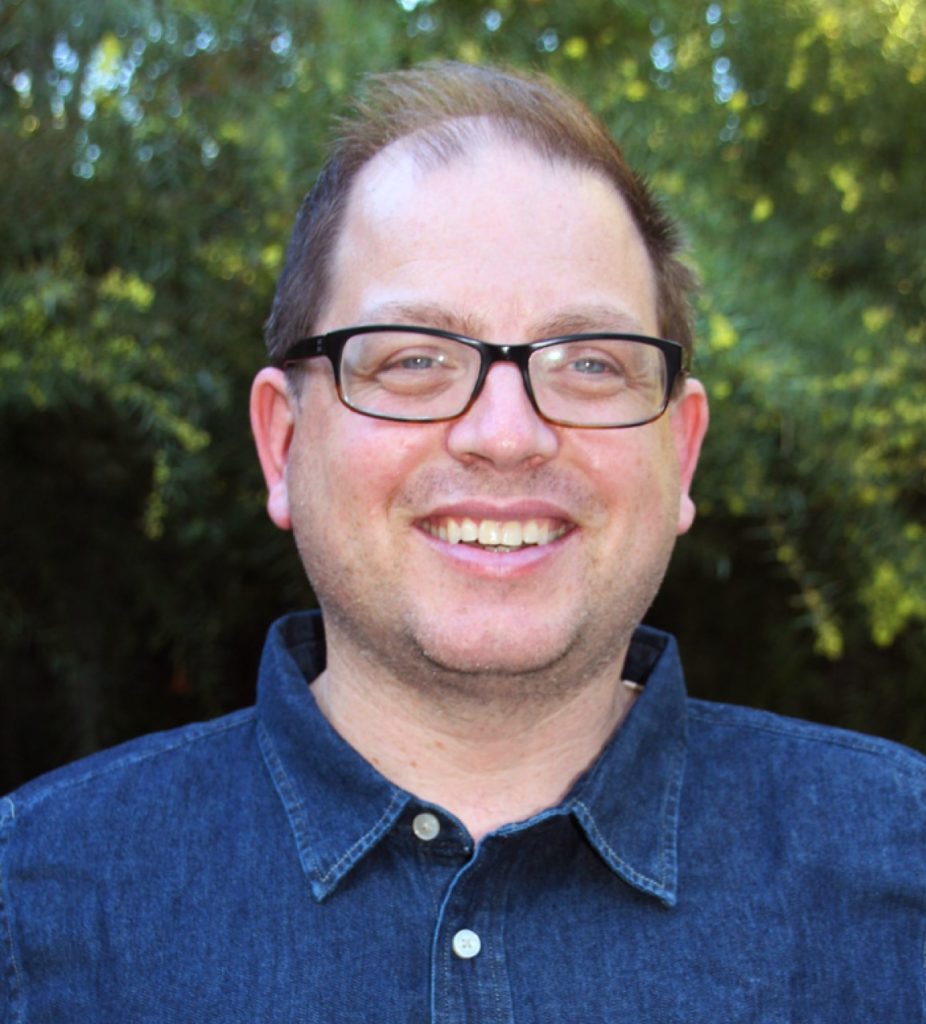
 

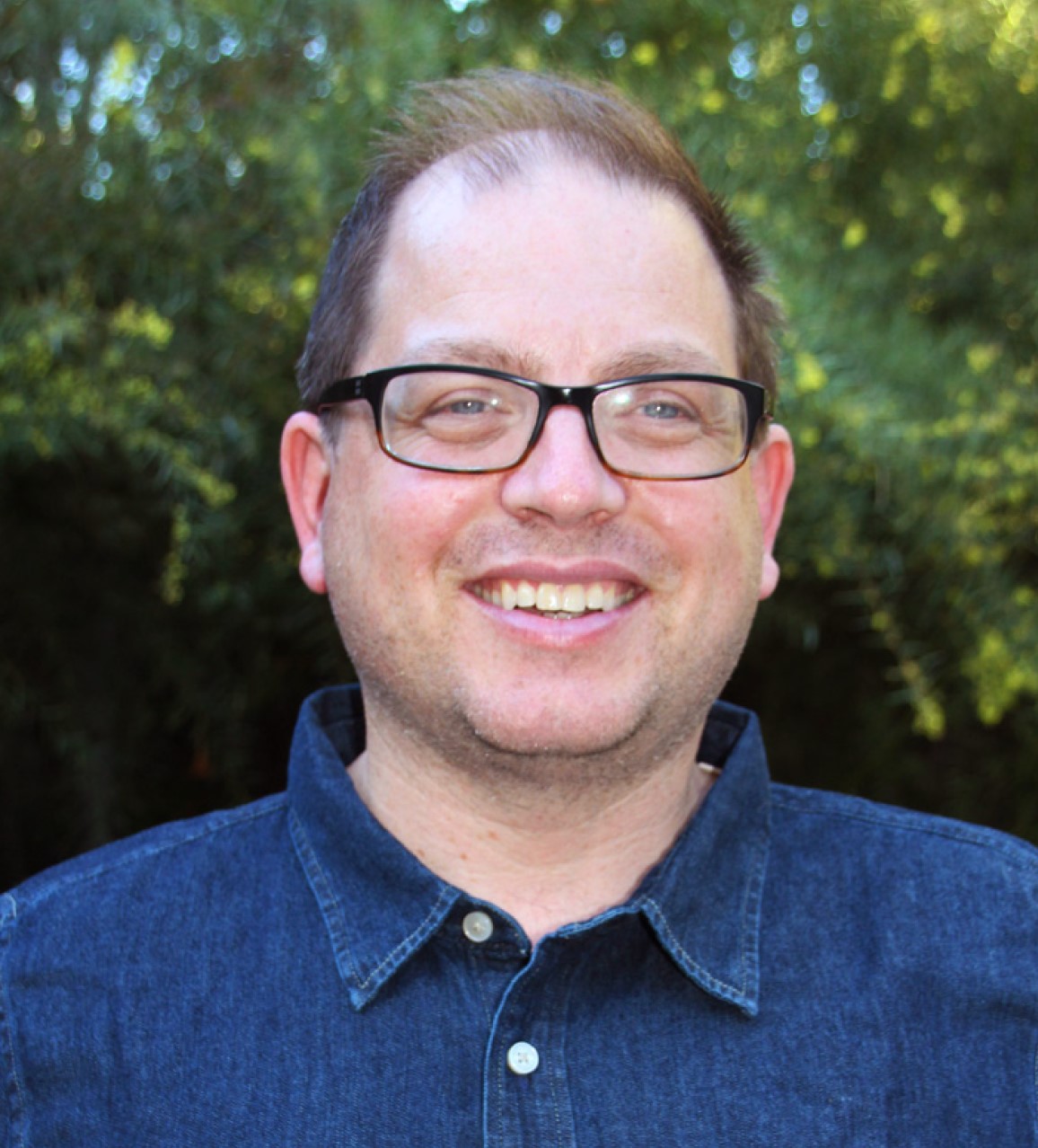
Smiling man in a denim shirt outdoors.How did Hodgkin’s disease shape your career? I was a classic “Caltech nerd,” pursuing math and physics, when I was diagnosed with cancer. Fortunately, my treatment was effective, and I got a second chance at life. Becoming a clinician and medical researcher became my way of giving back.

How do your skills strengthen the Proctor Foundation’s capacity to improve public health and protect sight? My training and experience in mathematical modeling, infectious disease dynamics, and biophysics complements rich existing knowledge and skills. An interdisciplinary approach allows our research team to tackle complex public health questions to address ongoing spread of preventable diseases, including blindness caused by trachoma.

How is Proctor providing leadership on the threat of antimicrobial-resistant infections? The Centers for Disease Control (CDC) funds our investigation of antimicrobial resistance in the United States. Ironically, the antibiotics we use to treat serious infections can also increase the risk of deadly infections from Newsresistant bacteria. Our research aims to figure out how to treat infections without unintended consequences. We hope to build on this research and study patterns of resistance in low- and middle-income nations.

How has COVID-19 altered your research? In June 2020, the CDC reached out to Proctor, requesting that we immediately begin analyzing COVID data from US hospitals to help decrease transmission and improve outcomes. To reduce the rapid spread inside California prisons, I volunteered as an epidemiological modeler with AMEND, a university-based prison health consortium.

What did you gain in your RAPIDD Fellowship at the National Institutes of Health Fogarty Center? RAPIDD stands for Research and Policy for Infectious Disease Dynamics. I collaborated with outstanding leaders who advanced the field of mathematical modeling of epidemiologic data to understand, forecast, and mitigate the transmission potential of emerging diseases. This methodology helps guide governmental and international health policy – to manage novel disease threats and save lives.

New UC President: An Old Friend of UCSF


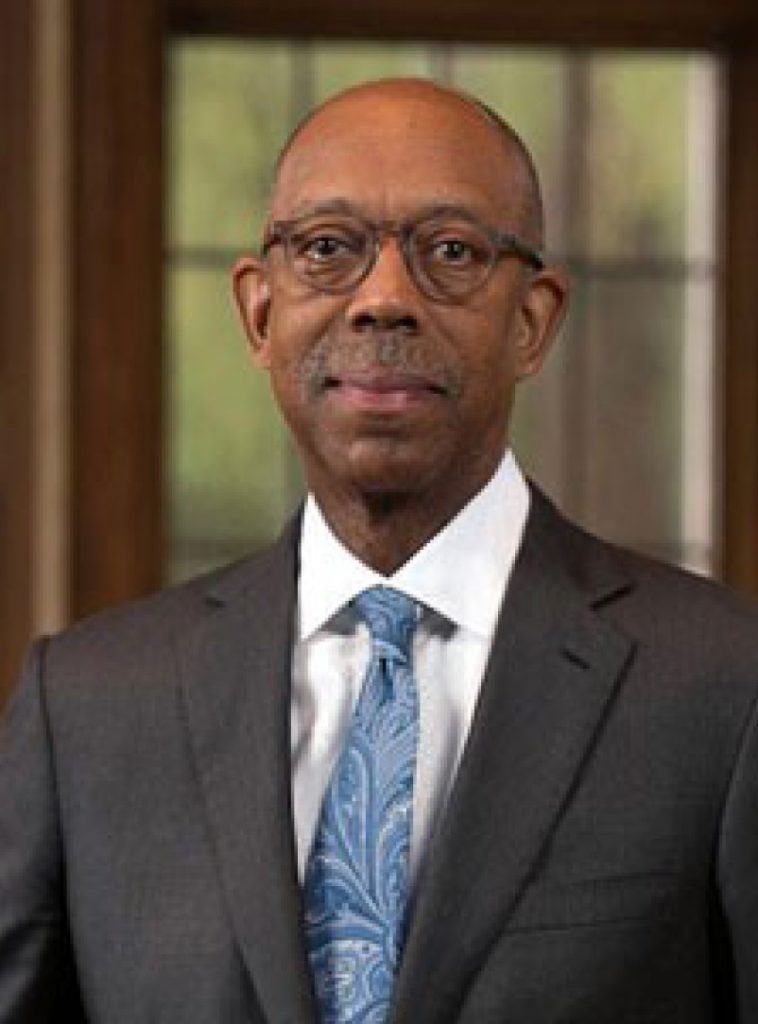
A man in a suit with glasses standing in front of a window.

DID YOU KNOW?

Dr. Drake has been on the faculty of UCSF’s Department of Ophthalmology for over 20 years.


Michael V. Drake, MD, has been selected as the 21st president of the University of California (UC) world-renowned system of ten campuses, five medical centers, three nationally-affiliated labs, more than 280,000 students and 230,000 faculty and staff. He is the first person of color to serve as UC President in the system’s 152-year history.

With a long and distinguished career in higher education, Dr. Drake most recently served as president of Ohio State University (OSU) since 2014. Prior to his six years at OSU, his entire academic career has been at UC, including as chancellor of UC Irvine from 2005 to 2014 and as the systemwide vice president for Health Affairs from 2000 to 2005.

His appointment is especially exciting as Dr. Drake is a longtime UCSF colleague. He received his medical degree is from UCSF, did his residency and fellowship in ophthalmology here, and subsequently spent more than two decades on the faculty of the UCSF School of Medicine, including as the Steven P. Shearing Professor of Ophthalmology. He was also Vice Chair of the Department of Ophthalmology and Senior Associate Dean for Admissions and Extramural Academic Programs in the School of Medicine.

Under his leadership as Chancellor, Dr. Drake greatly enhanced UC Irvine’s reputation as a premier university. UC Irvine rose to join the Top 10 Public Universities in U.S. News & World Report’s annual list and was ranked by Times Higher Education as the No. 1 university in the US under 50 years old. During his tenure, the fouryear graduation rate increased by more than 18 percent, while undergraduate enrollment and diversity significantly increased. In addition, Dr. Drake oversaw the establishment of new schools of law and education as well as programs in public health.

He has published numerous scientific articles and co-authored six textbooks. Dr. Drake is a member of several national scientific and scholarly societies including the American Academy of Arts and Sciences, the Institute of Medicine, and the National Academies of Science. He has received several awards for teaching, public service, mentoring, and research.

Dr. Drake and his wife, Brenda, have two grown sons and four grandchildren.

ALS, Dementia, Glaucoma: A Genetic Link


Erik M. Ullian, PhD, is a UCSF neurobiologist and principal investigator seeking to understand the genetic mechanisms underlying neurodegenerative diseases (the degeneration or death of nerve cells, causing debilitating conditions).

Dr. Ullian first became interested in this area through studies indicating a mysterious genetic link connecting a specific group of genes to both glaucoma and the neurodegenerative diseases of amyotrophic lateral sclerosis (ALS) and frontotemporal dementia (FTD). Strangely, some cases showed the loss of function of a specific gene is implicated in ALS but the gain of function of the same gene is implicated in glaucoma. This suggests that the genes may have different relative functional roles in some cell types, or that some cell types have different sensitivities to the functions of these genes.

Utilizing novel Clustered Regularly Interspaced Short Palindromic Repeats (CRISPR) approaches, Dr. Ullian seeks to understand how this group of genes function in both the central nervous system and in the retina – and why their dysfunction can lead to cell death. Understanding this could unravel the mystery of these genetic cell-type susceptibilities that can lead to either ALS or glaucoma or, in some cases, both.

In addition, Dr. Ullian has developed complex 3D models showing a remarkable ability to reproduce many of the hallmarks of neurodegeneration currently missing from animal models. The hope is to use these models as a platform for drug screening, finding new therapeutic strategies to target disease. This approach is attracting the attention of industry, inspiring speedy drug discovery to bona fide treatments.

Vision care for the underserved community – Dr. Alejandra de Alba Campomanes, MD, Unsung Hero

In celebration of the initiative “2020: Year of the Eye” the American Academy of Ophthalmology (AAO) featured stories of ophthalmologists who give above and beyond to our community.  We were very proud to have our own Dr. de Alba included!  Please view the video about Dr. De Alba from the AAO, or click here to view their full article about her efforts as an unsung hero helping to improve vision and vision care for the underserved community.


Ophthalmology Department’s Max Nachury, PhD, Receives ARVO’s 2020 Cogan Award

The laboratory research of UCSF Ophthalmology’s Maxence Nachury, PhD, promises to bring great insight to an understanding of photoreceptor degeneration and potential treatment strategies.

The Association for Research in Vision and Ophthalmology (ARVO) has named Dr. Nachury as recipient of its 2020 Cogan Award.

Dr. Nachury studies the primary cilium, a surface-exposed organelle required for vision, olfaction, and developmental signaling. He has published widely in Cell, Science, PNAS, Nature Genetics, Nature Materials and Nature Cell Biology.

The Cogan Award recognizes a “young researcher 45 years of age or younger at the time of application deadline, and who has made important and worthwhile contributions to research in ophthalmology or visual science that are directly related to disorders of the human eye or visual system, and who show substantial promise for future contributions.”

Dr. Nachury’s research is currently funded by the Wayne and Gladys Valley Foundation, Research to Prevent Blindness, That Man May See, National Institute of Health/National Institute of General Medical Sciences, National Institute of Health/National Eye Institute, and the American Diabetes Association.

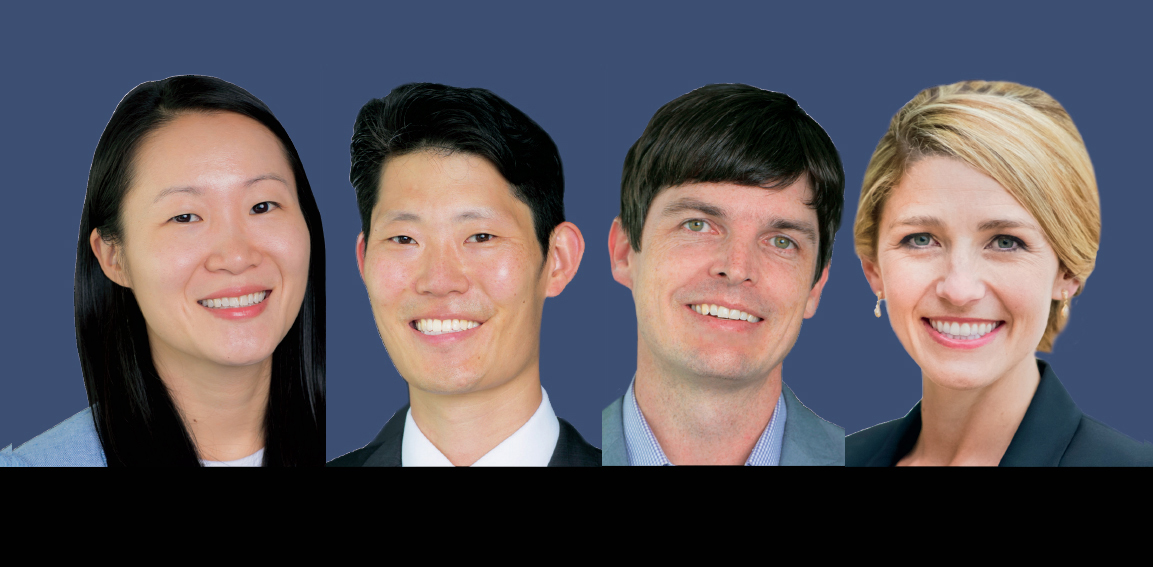
Welcome New Faculty

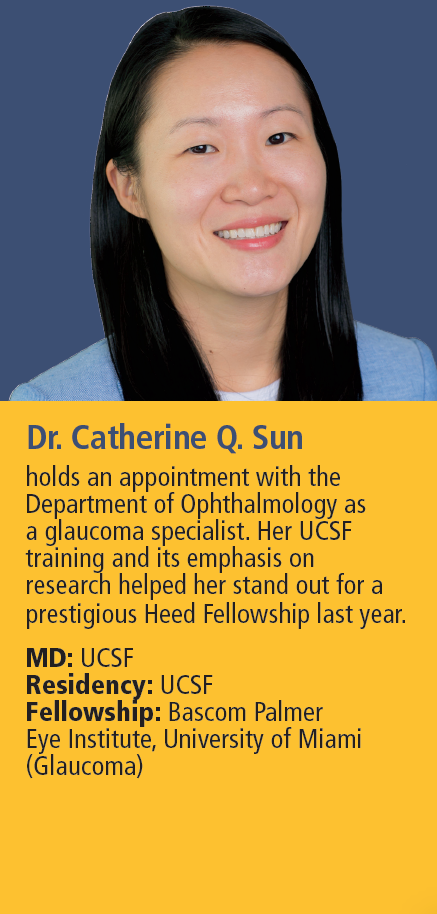
Professional headshot of Dr. Catherine Q. Sun.

Dr. Catherine Q. Sun

Q: What do you aim to achieve at UCSF?

A: I look forward to contributing to the growth of our excellent glaucoma division and department. I also want to advance glaucoma clinical care through interdisciplinary research.

Q: Why did you choose glaucoma?

A: I enjoy providing longitudinal care and surgical solutions for patients. Research to improve diagnostic and therapeutic strategies can transform the lives of millions of people facing glaucoma.


Q: How has your training shaped your research path?

A: UCSF emphasizes evidence-based medicine. As residents, we were given dedicated research time and presented our projects annually. The innovation was impressive! As a fellow, I used the IRIS Registry (the nation’s largest eye database) to study glaucoma surgical outcomes. Investigation of big data holds so much potential for breakthroughs in care. I’m excited to continue to learn and innovate.


Q: Why do you want to initiate “point-of-care” clinical trials?

A:  This promising type of study isembedded into regular medical care. It’s a practical approach that can recruit large numbers of participants quickly and yield data from real-world ophthalmic care, using participants’ electronic medical records. These trials have the potential to accelerate research that benefits eye patients.


Q: What sparked your interest in clinical trials?

A: As a medical student, I spent a research year with the Proctor Foundation. Wonderful mentors there taught me the ins and outs of randomized controlled trials, which compare treatment efficacy. In my fellowship, I learned from mentors who conducted some of the pivotal glaucoma trials that guide practice today.


Q: How do you unwind?

A: I like good meals with friends, seeing musicals and ballet, traveling, and staying active with dance classes, running, and hiking. I often head to the South Bay on weekends to catch up with old friends and family.


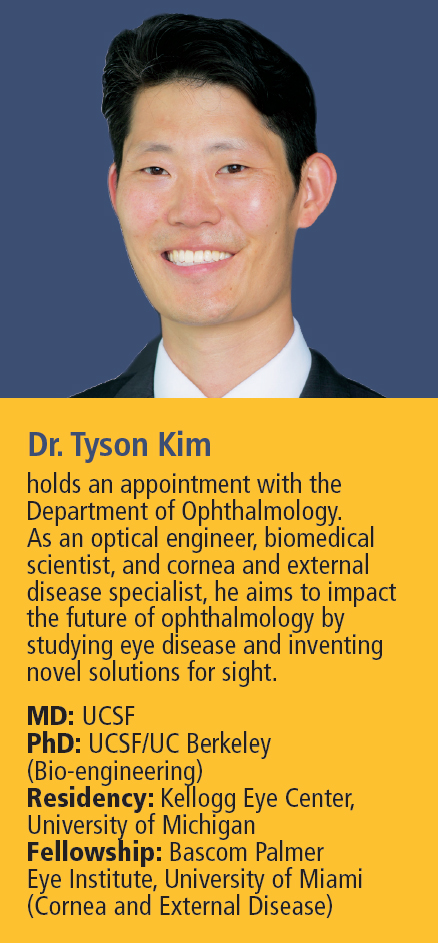
Portrait of Dr. Tyson Kim, ophthalmologist.

Dr. Tyson Kim


Q: What drew you to ophthalmology?

A: The personal reward in helping a patient regain sight is very high. I love microsurgery and how a procedure can be transformative in a patient’s quality of life. Ophthalmology also aligns with my interests as a scientist and innovator. It is a phenomenal field for translating research and technology into improvements in patient care.


Q: How will you grow your research here at UCSF?

A: I will build a research lab that utilizes and develops advanced optical methods to study eye disease. One part of my research program will combine femtosecond laser technologies with transgenic models of disease to observe and alter cellular behavior during abnormal blood vessel development in the living eye. This can be particularly powerful for studying disease processes that are hard to recapitulate outside the body. Another aspect of my research focuses on the development and translation of low-cost and easy-to-use technologies in ophthalmic care.


Q: How were you instrumental in creating the RetinaScope?

A: RetinaScope is now a multiinstitutional effort that originally started at UC Berkeley and UCSF. I’m one of the inventors and led several clinical trials validating the technology. The device is an easy-to-use and low-cost way to image the retina. It can effectively detect referral-warranted diabetic retinopathy. We’re seeing how the technology can grow and hope to make it very accessible for places where it’s most needed.


Q: How do you enjoy your time outside of medicine?

A: I enjoy the city’s fun food culture and the Northern California outdoors. Music helps keep me balanced, and I like playing the violin. I also enjoy traveling.


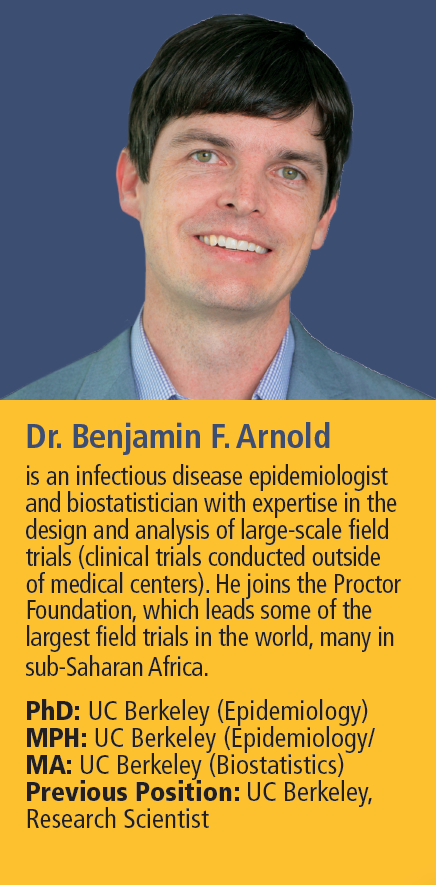
Portrait of a man with dark hair wearing a light blue shirt, smiling against a yellow background.

Dr. Benjamin F. Arnold


Q: What attracted you to the Proctor Foundation?

A: Honestly, I’ve never seen a more dynamic and productive research faculty. They integrate extremely well across disciplines, which is where I think the most creative science tends to happen. A growing part of my research focuses on accelerating the elimination of neglected tropical disease through better surveillance methods. Proctor’s focus on global trachoma elimination is a perfect fit.

Q: What are the big takeaways from your studies on reducing diarrheal disease and malnutrition?

A: These maladies account for an enormous global disease burden. Although public health interventions such as cleaner water and nutritional supplements can prevent them in theory, it has proven difficult to dramatically improve child outcomes in practice. I plan to use lessons from 10-plus years of trials in this area to strengthen Proctor’s efforts to end trachoma and reduce child mortality.


Q: What interests you about leading the Data Coordination Center?

A: I’m excited to lead this large team of data scientists. As a methodologist, I think that combining the rich information we collect from study sites around the world with state-of-the-art data science will yield important new insights for eliminating disease. Mentoring junior scientists is one of the best ways to stay abreast of the latest scientific developments – especially in the fast-moving field of data science.


Q:  What is your life like outside of medical research?

A: My family and I live a semi-rural existence at the edge of Oakland, complete with three children and a menagerie of horses, honey bees, and chickens. I love mountain biking with my kids on the trails near our house.


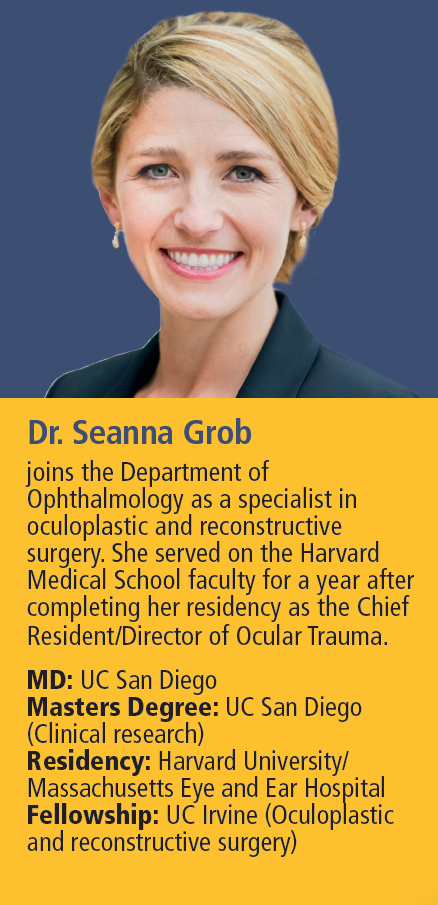
Smiling woman with short blonde hair in a blue blazer.

Dr. Seanna Grob


Q: What did your post-residency faculty year teach you?

A: I learned a lot about patient care for eye trauma, general ophthalmology, and resident education. I discovered that teaching and supervising are skills that require continual refinement. I learned how much I enjoy supporting residents through training and helping patients through challenging times.

Q: What led you to start a mental health clinic side by side with the eye trauma unit there?

A: The primacy of sight and the suddenness of eye trauma and vision loss heighten post-traumatic emotional responses. Patients were very excited to get mental health support. As I set it up, I realized that it could be helpful for many vision specialties. I hope to develop similar collaborations at UCSF.


Q: Why did you choose oculoplastic surgery as your specialty?

A: During an oculoplastics sub-internship in medical school, I enjoyed the combination of ophthalmology, head and neck surgery, plastic surgery, and dermatology. My exposure to oculoplastics as a resident and during fellowship furthered my excitement and dedication. My mentors inspired me with their passion for oculoplastics.


Q: What motivated you to choose a position at UCSF?

A: I’m joining an amazing group of oculoplastic surgeons and ophthalmologists, and UCSF is a preeminent medical institution with endless opportunities for multidisciplinary research, teaching, and leadership. I’m also excited to establish oculoplastics at the UCSF eye clinic in Berkeley.


Q: What did you enjoy about recently sky diving for the first time?

A: Flying over Interlaken, Switzerland, in a helicopter, then 45 seconds of free fall followed by floating down to an absolutely stunning view, was one of the most amazing experiences. As soon as I landed, I wanted to do it again.

The Proctor Foundation Saving Sight and Lives

Committed to reducing blindness worldwide, UCSF’s Francis I. Proctor Foundation for Research in Ophthalmology has worked in sub-Saharan Africa since 2000.

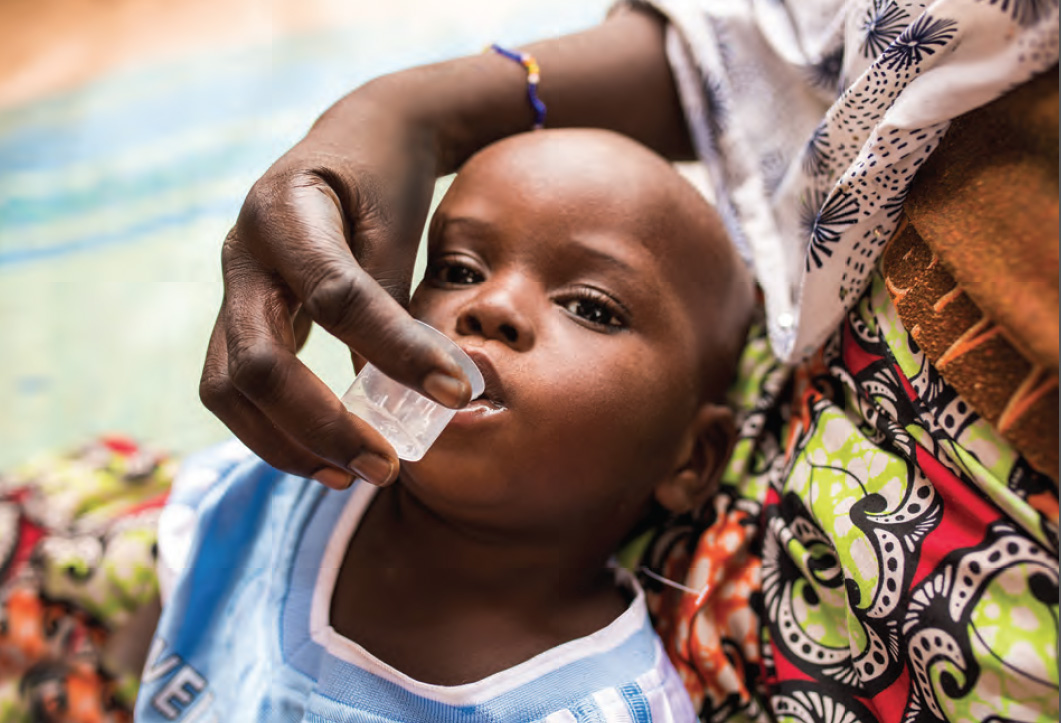
A major investigation led by the Proctor Foundation is rocking the public health firmament. “The study shows we can prevent young children in sub-Saharan Africa from dying with a simple intervention,” says Jeremy Keenan, MD, MPH, director of International Programs.

This team previously established that the same intervention saves children’s sight. The UCSF team and international partners investigated whether giving two doses a year of a common antibiotic to infants and toddlers in Malawi, Tanzania, and Niger would reduce child deaths. The work was funded with $14.8 million from the Bill & Melinda Gates Foundation.

According to principal investigator Thomas Lietman, MD, the biggest effects were seen in Niger, where 10 percent of newborns do not survive to their fifth birthday. A continuation of the Niger study will examine the impact of a four-year course of treatment, with the support of a $2.4 million Gates Foundation award.

Tens of Thousands of Lives Saved

With 190,000 children participating, the treatments prevented one in four deaths among 1- to 5-month-olds and slashed death rates by nearly 14 percent overall. The New England Journal of Medicine published the results in April, with Dr. Keenan as lead author. The news was covered everywhere from CNN to the Wall Street Journal and NPR.

The New York Times reported that these results are influencing the World Health Organization to decide whether to advise routinely giving antibiotics to newborns. Such a recommendation could speed progress toward the United Nations’ goal of ending preventable child deaths by 2030. Concerns about antibiotic resistance are central to this discussion. In fact, Proctor scientists monitored resistance bacteria in the respiratory tract and the stool, and they will continue to do so for the next two years.

Saving Sight Increased Survival

The Proctor Foundation’s meticulous studies on community-wide administration of the antibiotic azithromycin have played a leading role in arresting the epidemic spread of trachoma.

Early studies also showed that the vision-saving treatment increased survival rates for young children. Researchers believe the antibiotics could possibly help children fight off pneumonia, malaria parasites, and diarrhea, the biggest causes of death for this group.

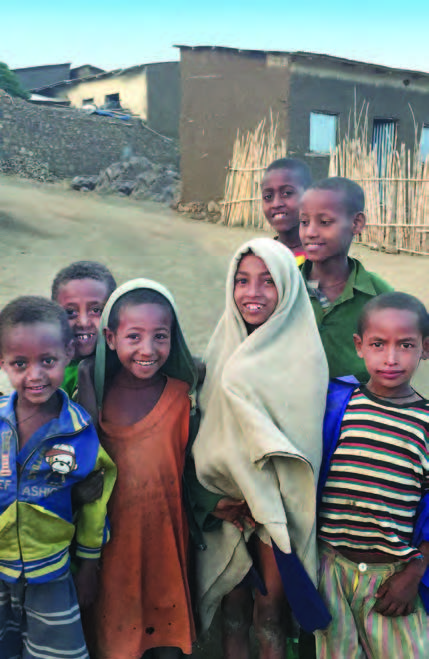
Group of smiling children in a village setting.
Lack of basic medicines and good sanitation leaves infants and children vulnerable to disease.


Next Study to Support Newborns

The UCSF team is taking another leap forward, supported by a new $13.5 million award from the Gates Foundation. A three-year study of at least 50,000 young children in Burkina Faso is being planned. Drs. Lietman and Keenan share principal
investigator honors with colleagues Catie Oldenburg, PhD, and Thuy Doan, MD, PhD. In the first study, most babies were not treated in their earliest months, when they are most vulnerable. “In Burkina Faso, we are partnering with local health workers to provide azithromycin to infants at 4-6 weeks, during vaccine visits,” explains Dr. Oldenburg. The study will explore whether treatment in the first weeks of life helps infants survive.

Biosamples to Yield Answers

Biosamples gathered from the infants and toddlers are critical to understand precisely why more children survive,” says Dr. Doan. Using conventional and advanced genetic sequencing techniques, she will analyze samples from the back of the throat and the gut to determine which pathogens are being killed. She’ll also monitor for antibiotic-resistant genes and characterize the microbial environment in these children’s digestive systems.

“ Thanks to the Bill & Melinda Gates Foundation, we are able to test our strategies at scale.” – Dr. Thomas Lietman


Research Benefits Sight, Too

“As we determine how best to use antibiotics to help vulnerable children survive, we also see benefit for the overall trachoma eradication program,” says Dr. Lietman. Seed funds from That Man May See helped launch this work many years ago, with pilot funding from John Debs and others. “Small well-designed studies allowed us to establish evidence that led to increased support from the Bernard Osher Foundation, the National Institutes of Health, and most notably the Gates Foundation.” says Dr. Lietman.