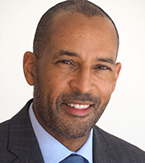
Frank Brodie, MD, MBA

Assistant Professor


Technology for Peripheral Retinal Imaging

I have been collaborating extensively with Duke Bioengineering in developing novel technologies to obtain far peripheral OCT imaging of the retina in an effort to detect retinal breaks early and without the challenging and uncomfortable scleral depressed exam. Additionally we have used intraoperative peripheral OCT to visualize subtle pathologic changes not previously noted on clinical exam.


To Learn More:

https://profiles.ucsf.edu/frank.brodie

Research Areas:

Mobile Health, Retina or Retinal Diseases, OCT, Optical Coherenece Tomography, Peripheral Retina Imaging
 
Learn more about UCSF Ophthalmology faculty research.
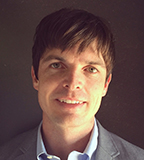
Benjamin Arnold, Ph.D., MPH

Assistant Professor


Epidemiologic methods for disease elimination with a focus on trachoma

Dr. Arnold is an Assistant Professor in the F.I. Proctor Foundation. He is an infectious disease epidemiologist and biostatistican by training, and his research focuses on clinical trial methodology, causal inference, and serologic surveillance. Dr. Arnold leads the Proctor Foundation's Data Coordinating Center, which supports over 10 clinical trials funded by the National Institutes of Health and the Bill & Melinda Gates Foundation. Dr. Arnold's research group uses the tools of epidemiology, biostatistics, and data science to make advances at the interface between field studies, laboratory science and computational methods to understand infectious disease dynamics. A particular focus of their resesarch is elimination of trachoma and other neglected tropical diseases in low-resource settings. Additional areas of emphasis include enteric pathogens, child growth failure, interventions to reduce environmentally mediated pathogen transmission, and open/reproducible research.


To Learn More:

https://profiles.ucsf.edu/benjamin.arnold
https://proctor.ucsf.edu/faculty/benjamin-arnold-phd
 

Research Areas:

Epidemiology, Infectious Diseases, Trachoma, Biostatistics, Machine learning
 
Learn more about UCSF Ophthalmology faculty research.
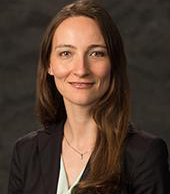
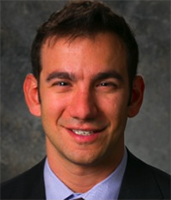
Melike Pekmezci, M.D.

Assistant Professor


Diagnostic and prognostic markers of ocular neoplasms

Dr. Pekmezci is an ophthalmic pathologist and neuropathologist, and her translational research focuses on the molecular and novel immunohistochemical markers used in the diagnosis and prognostication of ocular neoplasms.  Specifically, there are ongoing research projects evaluating the molecular features of benign, borderline and malignant uveal melanocytic tumors, which can aid in the diagnosis as well as provide prognostic information for clinical management. In addition, she is working on immunohistochemical stains which can be used as surrogate markers for molecular alterations. Additional research topics include morphologic, immunohistochemical and molecular features of ocular surface neoplasms, epithelial tumors of the eyelid, and tumors of the lacrimal gland as well as various tumors involving the brain and meninges.
 

To Learn More:

https://profiles.ucsf.edu/melike.pekmezci
https://pathology.ucsf.edu/about/faculty/melike-pekmezci-md
https://www.ucsfhealth.org/providers/dr-melike-pekmezci
 

Research Areas:

Ocular Pathology, Ophthalmic Pathology
 
Learn more about UCSF Ophthalmology faculty research.

Top-Tier Rankings in 2020!

 
This year we ranked #2 for NIH awards to Departments of Ophthalmology nationwide and #1 for research grant awards from the NIH National Eye Institute. We also continued to be ranked in the top 10 Departments of Ophthalmology nationwide by the 2020 US News and World Report.  Twenty-two vision scientists in the Department of Ophthalmology and Proctor Foundation currently serve as principal investigators for 33 grants awarded by the US National Institutes of Health. In the past several years, the merit of UCSF faculty research is also reflected in the annual publication of more than 200 peer-reviewed articles in prestigious journals including The New England Journal of Medicine, Nature Genetics, Neuron, Ophthalmology, and Proceedings of the National Academy of Sciences. These insights and successes bring us closer to a world with sight for all.  We are proud of our Principal Investigators with active NIH Research Grants and New Awards!

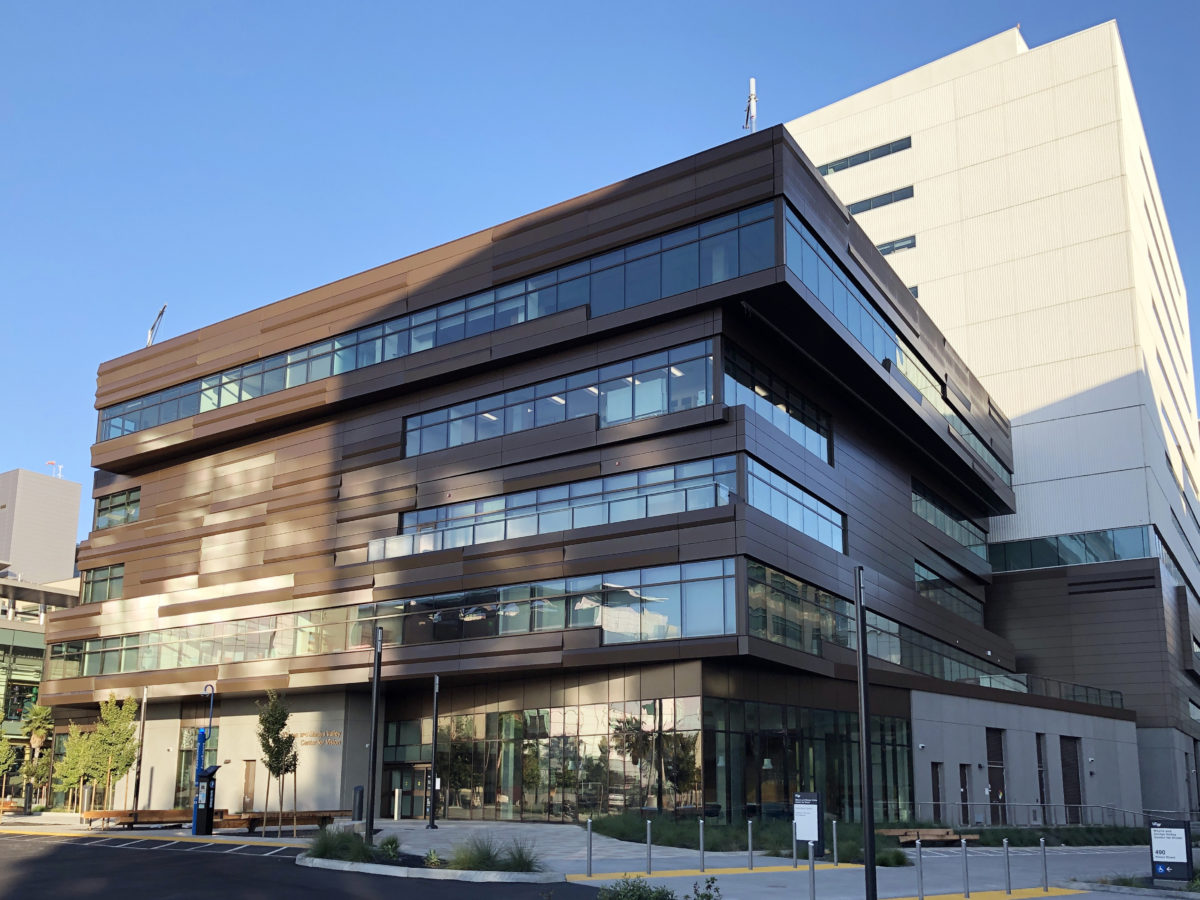
UCSF Wayne and Gladys Valley Center for Vision

The UCSF Wayne and Gladys Valley Center for Vision on the Mission Bay Campus, houses the UCSF Department of Ophthalmology and the Francis I. Proctor Foundation.

  • WGVCV South Entrance to the clinics and Proctor Foundation

    WGVCV_02b
  • WGVCV South Entrance to the clinics and Proctor Foundation

    WGVCV_04
  • WGVCV south-west corner

    OLYMPUS DIGITAL CAMERA
  • WGVCV east side

  • WGVCV Theresa M. Caygill and Wayne M. Caygill Atrium and stairway to Proctor Foundation

  • WGVCV William G. and Ruth R. Hoffman Auditorium

  • WGVCV Koret Vision Clinics patient reception, 4th floor

  • WGVCV Koret Vision Clinics, patient reception 3rd floor

  • WGVCV Koret Vision Clinics patient waiting, 4th floor

  • WGVCV Koret Vision Clinics patient subwaiting, diagnostics 4th floor

  • WGVCV Koret Vision Clinics patient subwaiting, diagnostics, 3rd floor

  • WGVCV Koret Vision Clinics examination lanes

  • WGVCV Thomas R. Mazzocco Ophthalmic Microsurgery Laboratory

  • WGVCV Richard Baruch, MD Surgical Didactics Suite

  • WGVCV Library

  • WGVCV David F. Chang, MD Resident Conference Room

Read More about the new WGVCV

Stephen D. McLeod, MD

Professor


McLeod Research


Dr. McLeod’s research interests include the study of improved strategies for diagnosis and management of eye infections both in the U.S. and in the developing world, as well as the development of advanced cataract and refractive surgery technology.


To Learn More:

https://researcherprofiles.org/profile/196003


Research Areas:

Cataract, Cornea

Learn more about UCSF Ophthalmology faculty research.
Learn more about teaching and mentorship of our residency program and post-residency fellowships.

We hope you will enjoy this video presentation about what makes our residency and post-resident fellowship programs great! You can learn much more about these teaching programs and how to apply by going to our residency home page and our fellowships home page.


Video: Bryn Mawr Communications